
Why the Unseen Is More Real Than the Seen
Causality, Formation, and Upstream Reality

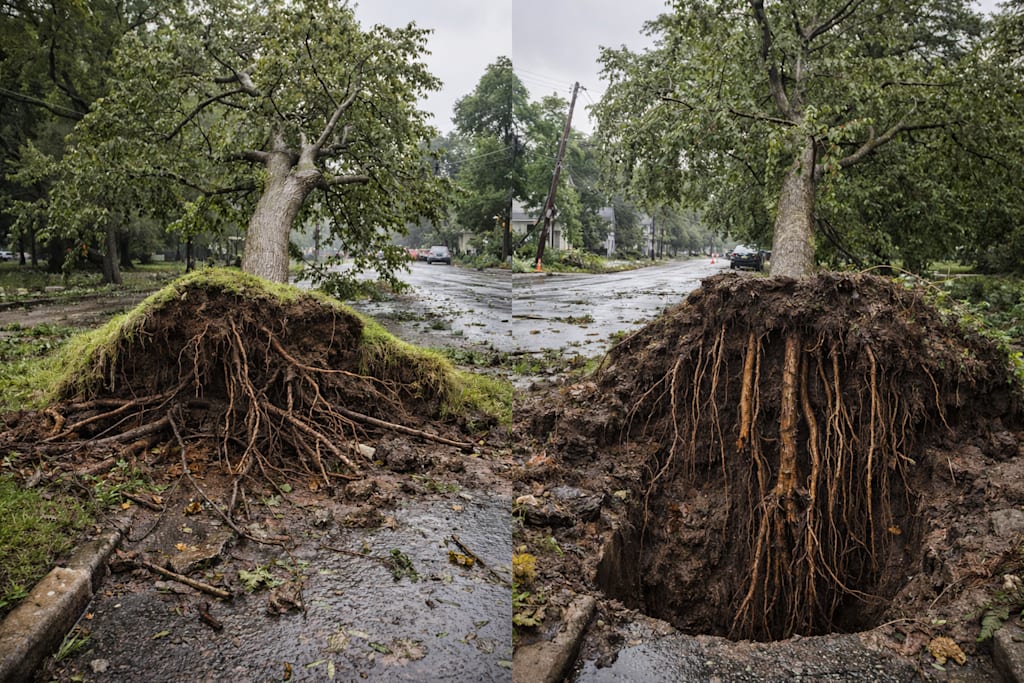
Most people instinctively treat what they can see as what is most real. Events, outcomes, behavior, and results feel concrete because they can be measured, witnessed, recorded, and verified. What happens in front of us appears more solid than what formed it before anyone noticed. That instinct is understandable, but it quietly reverses the order of reality. The visible world is usually not where causality begins. It is where causality finally becomes visible.
What is seen is almost always downstream. It is the consequence, not the source. Treating outcomes as primary while ignoring what formed them leads to confusion about responsibility, change, and meaning. A visible action may be the moment everyone finally pays attention, but it is rarely the moment the thing began. By the time something appears in behavior, speech, conflict, collapse, obedience, courage, or failure, most of its formation has already happened in places no one was watching.
Visible Outcomes Begin in Invisible Formation
Every visible action emerges from something unseen first. Decisions are shaped by beliefs. Behavior is shaped by desire. Desire is shaped by value. Value is shaped by formation. These layers are not usually visible in the moment they exert influence, yet they govern what eventually appears. People often respond to the final expression of a thing while missing the hidden structure that made that expression likely, reasonable, or even inevitable.
This is why focusing only on outcomes produces shallow solutions. If behavior is addressed without examining the belief that justified it, change rarely lasts. If a system is altered without understanding the values that shaped it, the same patterns reappear under new names. If a person tries to change visible habits without confronting the desires beneath them, the old pattern returns as soon as pressure increases. The unseen does not disappear because it is ignored. It keeps operating upstream, quietly generating the same results over time.
Responsibility Lives Before Visibility
The unseen is also where responsibility actually lives. People are not ultimately accountable only for what they do, but also for what they cultivate internally. Habits of thought, patterns of attention, moral compromises, private indulgences, and unexamined assumptions form the person long before action makes that formation public. The visible moment may reveal the person, but it did not create the person.
This is why private life matters. What is practiced in secret eventually becomes visible, not as coincidence, but as consequence. A person does not suddenly become faithful, disciplined, resentful, dishonest, patient, fearful, courageous, or careless in public. Public conduct is usually the harvest of private formation. The seen moment exposes what the unseen life has been growing.
Scripture Treats the Unseen as Foundational
From a Christian frame, this is not abstract philosophy. Scripture consistently treats the unseen as the decisive arena. The heart is named as the source of life. Faithfulness is measured before recognition. Obedience matters even when no one sees it. Growth is often described through images of seed, soil, roots, fruit, and hidden cultivation. The visible fruit matters, but the fruit is never treated as disconnected from the root.
This matters because Christianity does not reduce reality to appearances. It insists that the inner life is not a secondary layer beneath the practical world. It is one of the places where the practical world is formed. Motives matter. Desires matter. Faith matters. Repentance matters. Secret obedience matters. The unseen is not less real because it cannot be instantly inspected. It is foundational because it is where the direction of life is being formed before the result becomes visible.
Change Fails When It Only Trims Branches
This also explains why cultural change feels slow and personal change feels difficult. Altering appearances without addressing formation is like trimming branches without tending roots. The tree may look different briefly, but it grows back according to the same life beneath the surface. The shape may change for a season, but the source remains untouched.
Real change requires attention to what forms desire, shapes imagination, trains conscience, and governs attention. Those processes unfold quietly and resist shortcuts. A person cannot merely perform a new outcome and expect the inner life to automatically follow. A culture cannot merely rename its problems and expect the moral conditions beneath them to disappear. Lasting change begins upstream, where desires are trained, truth is received, discipline is practiced, and conscience is formed before the public result appears.
Performance Replaces Character When Formation Is Ignored
The danger of ignoring the unseen is that it trains impatience. When only visible results are valued, slow formation begins to feel pointless. Disciplines that do not immediately pay off are abandoned. Integrity that costs something without recognition is dismissed as impractical. Quiet obedience is treated as wasted effort because it does not produce instant proof.
Over time, this erodes character and replaces it with performance. People learn how to look right rather than how to be right. They learn how to display virtue without cultivating it, how to manage appearances without submitting to truth, and how to pursue recognition without undergoing formation. A life built that way may succeed for a time on the surface, but it becomes fragile because the visible structure is not supported by unseen strength.
Outcomes Are Signals, Not Sources
A faithful response reorders attention. It treats formation as primary and outcome as derivative. This does not mean ignoring results. Results matter because they reveal something. They show what has been cultivated, tolerated, believed, practiced, neglected, or protected. But outcomes must be interpreted correctly. They are signals, not sources.
When attention shifts upstream, effort becomes more effective because it addresses causes rather than symptoms. Instead of only asking how to stop a behavior, the deeper question becomes what belief made the behavior seem acceptable. Instead of only asking how to fix a result, the deeper question becomes what formation produced that result. Instead of only reacting to what appeared, wisdom asks what unseen pattern has been operating long enough to make the visible outcome possible.
The Unseen Must Be Guarded Before It Is Proven
Practically, this means investing in practices that shape the unseen even when no one is watching. It means guarding what is consumed mentally, examining motives honestly, and taking responsibility for the inner life rather than outsourcing it to circumstance. It means valuing obedience, consistency, and truthfulness even when they produce no immediate payoff.
The demand is simple, but not easy. Different results require attention to what is forming the person before results appear. Do not wait for visibility to justify formation. Do not confuse silence with insignificance. What is unseen is not less real. It is more causally powerful because it is where direction is established before direction becomes obvious.
Where the Story Is Written
When the unseen is taken seriously, life becomes more coherent. Actions begin to align with convictions. Outcomes become more understandable. Meaning deepens rather than fragments. Reality stops feeling like a disconnected series of reactions and begins to reveal the formation beneath the surface. The visible world still matters, but it is no longer mistaken for the whole of reality.
The seen will always matter because consequences matter. Actions matter. Fruit matters. Public life matters. But the seen will never tell the whole story by itself. It can reveal what has been formed, but it cannot explain itself apart from the hidden roots that produced it.
What is unseen is where the story is actually written. It is where desire is trained, conscience is shaped, faith is tested, obedience is practiced, and truth either takes root or is refused. The visible life is the page others eventually read, but the unseen life is where the words were formed before they appeared.
About the Creator
Peter Thwing - Host of the FST Podcast
Peter unites intellect, wisdom, curiosity, and empathy —
Writing at the crossroads of faith, philosophy, and freedom —
Confronting confusion with clarity —
Guiding readers toward courage, conviction, and renewal —
With love, grace, and truth.
Enjoyed the story? Support the Creator.
Subscribe for free to receive all their stories in your feed.
Comments
There are no comments for this story
Be the first to respond and start the conversation.