
Nothing Changes When You Remain The Same
Change your actions, change your life.

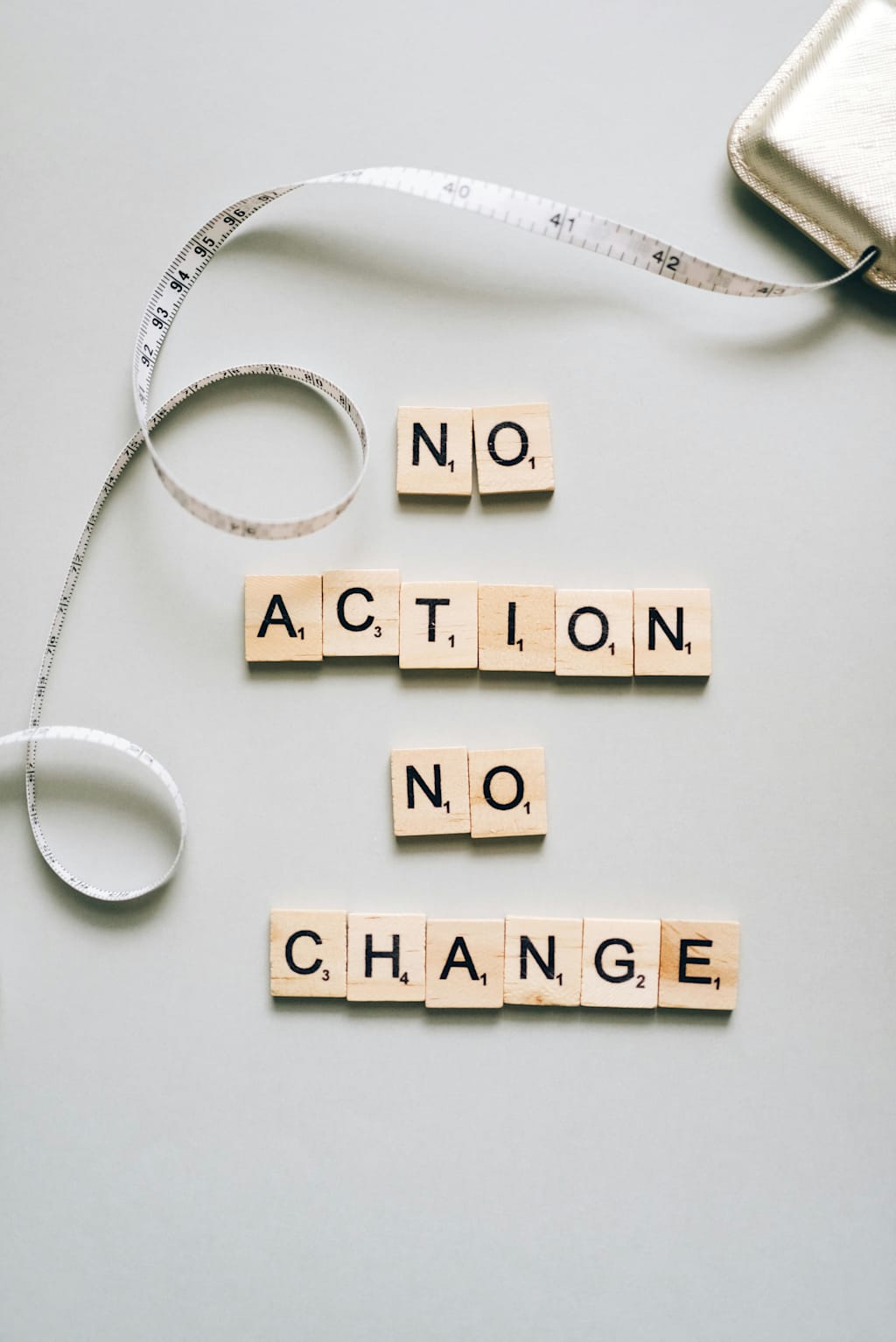
It sounds obvious, almost too simple to take seriously: nothing changes when you remain the same. Yet people spend years—sometimes entire lifetimes—waiting for life to improve without truly changing anything about how they think, act, or respond. They hope for different outcomes while repeating the same patterns. And when nothing shifts, it feels confusing, even unfair.
But life is rarely random in that way. It mirrors patterns more than wishes.
Think about someone who feels stuck in their career. They complain about lack of growth, limited opportunities, and feeling overlooked. Yet day after day, they follow the same routine, avoid taking initiative, and hesitate to learn new skills. Months pass, then years. The frustration grows, but the pattern remains unchanged. The truth is uncomfortable: the situation isn’t only external—it’s reinforced internally.
Or consider relationships. Someone might say they keep attracting the wrong people. Every relationship starts with excitement but ends in disappointment. If you look closely, the pattern often repeats—ignoring early red flags, overgiving, or avoiding difficult conversations. Without change, the outcome becomes predictable. Different faces, same story.
Even in small, everyday habits, this principle holds. A person who wants to feel healthier but continues the same eating patterns, sleep schedule, and inactivity will likely stay in the same place. The desire for change is there, but desire alone doesn’t create movement.
The core issue isn’t lack of awareness. Most people know, at least on some level, what needs to change. The challenge is doing something different consistently enough to break the cycle.
Change feels uncomfortable because it disrupts familiarity. Even when current patterns are frustrating, they’re still known. There’s a strange comfort in predictability, even if it leads to dissatisfaction. Choosing change means stepping into uncertainty, and that’s where many people hesitate.
Imagine someone who wants to speak up more at work. They have ideas but stay quiet in meetings. Each time, they tell themselves, “Next time, I’ll say something.” But when the moment comes, the same hesitation takes over. Nothing changes—not because they lack ideas, but because their behavior stays the same.
The shift doesn’t require a complete transformation overnight. It starts with small, deliberate actions. In this case, it could mean preparing one point to share before a meeting and committing to saying it. Just one. That small change begins to break the pattern.
The same applies to personal growth. A student struggling academically might keep rereading notes without changing their study method. When results don’t improve, they feel discouraged. But if they switch strategies—testing themselves, practicing actively, or seeking help—the outcome can shift. The difference isn’t effort alone; it’s doing something differently.
One practical solution is to identify patterns instead of focusing only on problems. Problems feel overwhelming, but patterns are actionable. Ask yourself: “What am I repeatedly doing that leads to this outcome?” The answer might not always be comfortable, but it’s useful.
For example, someone who constantly feels overwhelmed might notice they say yes to everything. The pattern isn’t just a busy schedule—it’s the inability to set boundaries. Changing that pattern, even slightly, can create immediate relief.
Another solution is to start smaller than you think necessary. People often aim for big changes—completely new routines, drastic habits, or major life shifts. When these changes become hard to maintain, they revert to old ways. Instead, focus on one small adjustment.
If you want to read more, start with ten minutes a day. If you want to exercise, begin with short, manageable sessions. If you want to improve relationships, start by being fully present in one conversation each day. Small changes are easier to sustain, and over time, they build momentum.
Consistency matters more than intensity. A single burst of effort won’t override months or years of repetition. But steady, repeated change begins to reshape patterns.
It’s also important to examine your thinking. Sometimes, the barrier isn’t external—it’s the story you tell yourself. “I’m not good at this.” “This is just how I am.” “It’s too late to change.” These beliefs reinforce sameness. When you challenge them, you create space for new behavior.
A person who believes they’re “bad at communication” might avoid difficult conversations. This avoidance keeps the belief alive. But if they start practicing—even imperfectly—they gather new evidence. Over time, the belief shifts because their actions change.
Environment plays a role too. If everything around you supports your current habits, change becomes harder. Adjusting your environment can make new behaviors easier. This could mean organizing your space, surrounding yourself with supportive people, or removing distractions that pull you back into old patterns.
For instance, someone trying to focus better might put their phone out of reach while working. It’s a simple change, but it reduces temptation and supports a new habit. The environment aligns with the desired change.
There’s also a need for patience. Change doesn’t produce immediate, dramatic results. At first, it might feel like nothing is happening. But just like old patterns were built over time, new ones take time to establish. The key is to continue even when progress feels slow.
There will be moments when reverting to old habits feels easier. That’s normal. Change isn’t a straight line. What matters is returning to the new path instead of giving up entirely.
Ultimately, the idea that “nothing changes when you remain the same” isn’t meant to criticize—it’s meant to empower. It highlights something important: you have more influence over your life than it might feel like.
You may not control every outcome, but you can control your actions, your responses, and your willingness to try something different. And sometimes, that’s enough to shift everything.
Because when you change—even slightly—your patterns begin to change. And when your patterns change, your results follow.
It doesn’t happen all at once. But it does happen.
And it always starts with doing something different.
About the Creator
THE GROWTH HABIT
By Dumisani Gift Mbatha
Enjoyed the story? Support the Creator.
Subscribe for free to receive all their stories in your feed.
Comments
There are no comments for this story
Be the first to respond and start the conversation.