
Sip Your Way Slim: The Truth About Herbal Tea Metabolism Booster Blends
Discover how a simple cup can gently fuel your metabolism — no gimmicks, just nature’s quiet power.

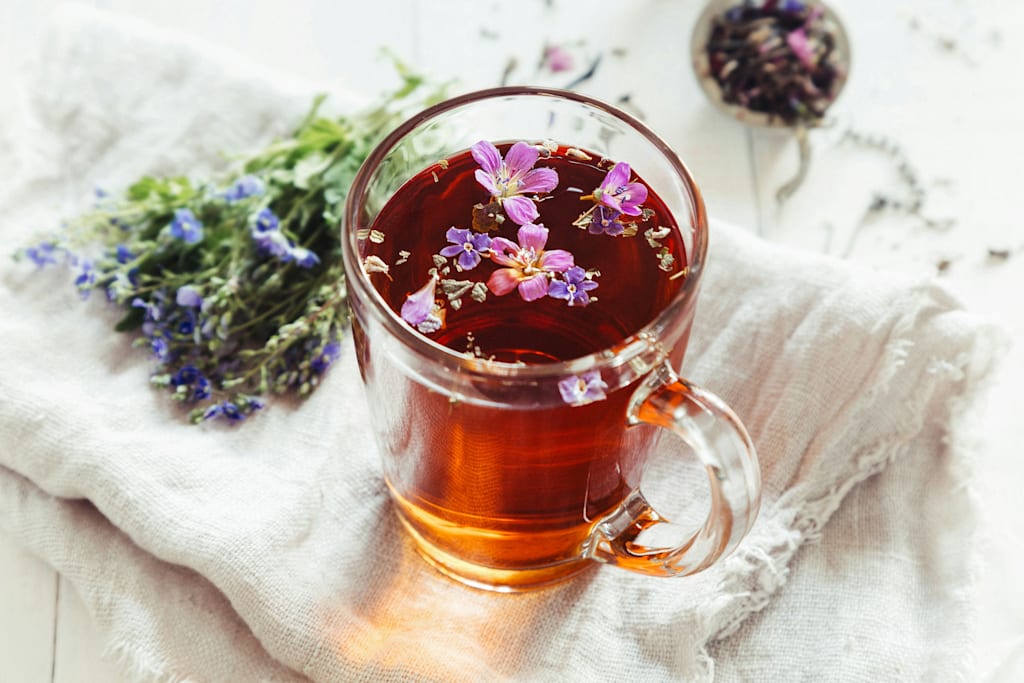
Sip Your Way Slim: The Truth About Herbal Tea Metabolism Booster Blends
We’ve all been there. You’re eating well, moving your body, but that stubborn belly fat just won’t budge. So, you find yourself scrolling through social media, eyeing those “detox tea” ads promising a flat stomach in a week. Before you reach for that questionable laxative-laced blend, let’s pause.
What if I told you that nature’s real secret isn’t about starving yourself, but about gently nudging your metabolic furnace with the right cup of tea?
As a clinical herbalist and nutrition researcher, I’ve spent over a decade studying how plants interact with human metabolism. Today, we’re cutting through the hype. I’ll show you exactly how a herbal tea metabolism booster works, which specific herbs actually have science behind them, and how to use them without falling for marketing gimmicks.
Let’s brew some clarity.
What Does “Metabolism Booster” Actually Mean?
First, let’s bust a myth. No tea will magically melt pounds while you sleep. But certain herbs can support your metabolic rate in three real, measurable ways:
- Thermogenesis – Slightly increasing body heat to burn more calories.
- Lipase activation – Helping your body break down fats more efficiently.
- Blood sugar balancing – Reducing insulin spikes that tell your body to store fat (especially around the belly).
A true herbal tea metabolism booster works subtly, consistently, and safely. Think of it as adjusting your body’s thermostat by a degree or two, not setting it on fire.
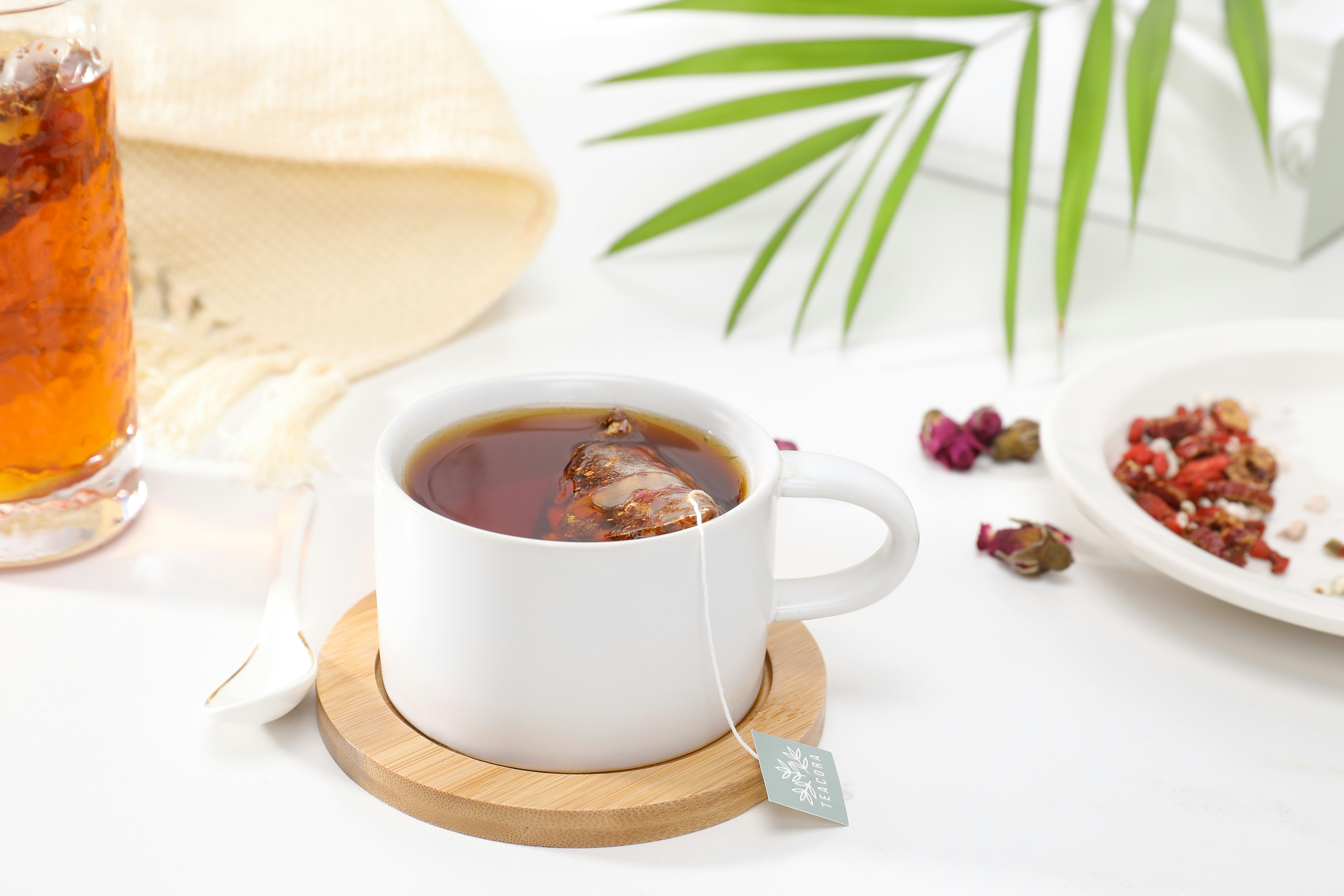
The Top 5 Herbs That Actually Work (With Evidence)
Forget proprietary “slimming blends” with secret ingredients. Here are the research-backed herbs you can trust.
1. Ginger: The Thermogenic Workhorse
Ginger doesn’t just settle an upset stomach. A 2018 study in Metabolism found that consuming 2 grams of ginger powder (about one strong tea) increased thermogenesis by 20% over three hours. It also improves gastric emptying, which helps regulate appetite.
Best for: The person who feels cold all the time and struggles with slow digestion.
2. Hibiscus: The Blood Sugar Guardian
Hibiscus tea (that beautiful deep red brew) is a powerhouse for metabolic health. It’s rich in anthocyanins, which have been shown in randomized controlled trials to lower fasting blood glucose and improve insulin sensitivity. When your blood sugar is stable, your body stops hoarding fat.
Real-life example: In a 2015 study of 60 people with metabolic syndrome, those who drank hibiscus tea daily for 12 weeks saw a significant reduction in waist circumference compared to the placebo group.
3. Cinnamon: The Fat-Storage Blocker
Cinnamon is more than a cozy flavor. Its active compound, cinnamaldehyde, has been shown to activate TRPA1 receptors, which stimulate fat cells to start burning energy instead of storing it. Plus, it slows carbohydrate breakdown, preventing those post-meal sugar crashes that make you reach for a cookie.
4. Green Rooibos (Aspalathus Linearis)
Unlike black or green tea, rooibos is naturally caffeine-free and contains a unique flavonoid called aspalathin. Animal studies (and emerging human data) suggest aspalathin can reduce stress hormones like cortisol, which is directly linked to abdominal fat storage. It also inhibits adipogenesis – the formation of new fat cells.
5. Peppermint: The Appetite Tamer
Peppermint tea won’t burn calories directly, but it’s a brilliant metabolic ally for a different reason. Studies show that the scent of peppermint alone can reduce hunger cravings and decrease total calorie intake by up to 500 calories per day. Drink a cup between meals to quiet those “I need a snack” urges.
How to Build Your Own Slimming Herbal Tea Routine
You don’t need an expensive box of 30-day detox teas. Here’s a simple, effective daily protocol:
- Morning (8–9 AM): Ginger + lemon. Kickstarts thermogenesis and hydration.
- Afternoon (2–3 PM): Peppermint or hibiscus. Curbs post-lunch sugar cravings and stabilizes blood sugar.
- Evening (7–8 PM): Cinnamon or rooibos. Supports overnight fat metabolism without caffeine disrupting sleep.
Pro tip: Steep your herbs for at least 7–10 minutes (covered) to extract the maximum beneficial compounds. Add a pinch of black pepper to ginger tea – piperine increases the absorption of thermogenic compounds by over 200%.
What the Data Says (And Doesn’t Say)
Let’s be honest: Most herbal tea studies are small, and results are modest. In a typical 12-week trial, participants drinking 3 cups of an herbal tea metabolism booster blend lost an average of 2–4 pounds more than the control group. That’s not dramatic, but it’s significant – especially because they reported feeling less bloated and having more energy.
One overlooked benefit? Herbal teas replace high-calorie drinks. Swapping your afternoon latte (300 calories) for a zero-calorie hibiscus tea creates a deficit of 2,100 calories per week. That alone can lead to nearly 1 pound of weight loss every 10 days.
A Word of Caution (Trustworthiness Matters)
I’m a big believer in herbal support, but I’m an even bigger believer in safety. Please remember:
- Check medication interactions. Hibiscus can lower blood pressure; ginger can thin blood. If you’re on blood thinners, BP meds, or diabetes drugs, talk to your doctor first.
- Avoid “teatox” blends with senna or cassia. These are laxatives, not metabolism boosters. They cause water loss, not fat loss, and can damage your gut over time.
- Pregnancy note: Avoid high doses of cinnamon and peppermint tea during the first trimester. Stick to ginger and rooibos after consulting your provider.
Frequently Asked Questions (FAQs)
Q: Can I drink herbal tea for belly fat specifically?
A: You can’t spot-reduce fat. But herbs like ginger and hibiscus help lower overall body fat and reduce inflammation, which often shrinks the belly first because visceral fat is more metabolically active.
Q: How long until I see results?
A: For metabolic changes (better digestion, less bloating, stable energy), you’ll notice improvements in 5–7 days. For measurable weight loss, give it 8–12 weeks of consistent use alongside a balanced diet.
Q: Is an herbal tea metabolism booster safe for daily use?
A: Yes, absolutely. True herbal teas (single herbs or blends of culinary spices and flowers) are safe for daily consumption. Just rotate your herbs every few weeks to prevent tolerance.
Q: Does caffeine-free slimming tea work as well as caffeinated options?
A: For long-term metabolic health, caffeine-free options like rooibos and hibiscus are actually better. Caffeine provides a temporary thermogenic spike, but your body builds tolerance quickly. Non-caffeinated herbs work through different, sustainable pathways.
Q: What’s the best slimming herbal tea to drink at night?
A: Cinnamon tea or rooibos. Both are naturally sweet, caffeine-free, and have been shown to improve overnight fat oxidation and next-morning blood sugar levels.
Your Next Step (A Gentle Nudge)
You don’t need a perfect plan. You just need a small, consistent start.
Tonight, skip the dessert wine and brew a cup of cinnamon rooibos instead. Tomorrow morning, trade your second coffee for a ginger infusion. Notice how your body feels – not just on the scale, but in your energy, your digestion, and that heavy post-meal sluggishness.
Have you tried any of these herbs before? Or do you have a favorite metabolic tea recipe of your own? Drop a comment below – I’d genuinely love to hear what’s working for you. And if this guide helped clarify the noise around “detox teas,” feel free to share it with a friend who’s been misled by those flashy ads.
Here’s to slow, steady, and smart sips. ☕🌿
About the Creator
Epic Vibes
✨ Welcome to Epic Vibes Blog! 🌟 Explore diverse insights and trending topics. From the latest buzz to hidden gems across various realms, we bring you fresh, engaging content. Stay ahead with us! 🚀
Enjoyed the story? Support the Creator.
Subscribe for free to receive all their stories in your feed.
Comments
There are no comments for this story
Be the first to respond and start the conversation.