
Is Hantavirus the Next Global Health Crisis? What You Need to Know
A Growing Global Public Health Concern

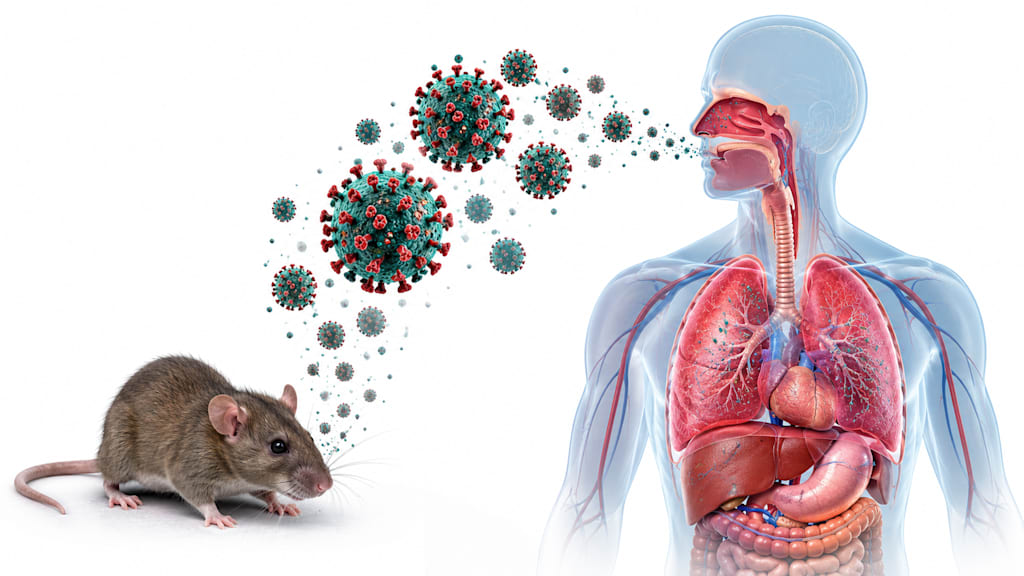
Understanding Hantavirus
Hantavirus, a rare but potentially deadly pathogen, continues to draw the attention of health authorities worldwide for its ability to cause severe illness in humans. While infections remain uncommon, the virus poses a persistent threat in environments where humans and rodents intersect. Recent discussions have extended even to cruise ships, raising new questions about how emerging zoonotic diseases could exploit modern travel networks.
What Is Hantavirus?
Hantavirus belongs to the Hantaviridae family, which includes several species known to cause serious illnesses in humans. Two well-documented syndromes are associated with hantavirus infection:
• Hantavirus Pulmonary Syndrome (HPS): Found primarily in the Americas, HPS manifests as sudden respiratory distress that can advance rapidly to pulmonary edema and, in severe cases, death. The fatality rate stands at about 38%, according to the Centers for Disease Control and Prevention (CDC).
• Hemorrhagic Fever with Renal Syndrome (HFRS): More prevalent in Europe and Asia, HFRS presents with fever, internal bleeding, and acute kidney impairment.
The disease is transmitted to humans chiefly through exposure to infected rodent excrement whether by inhaling contaminated dust particles or through direct contact with rodent urine, saliva, or feces.
Recognizing Hantavirus Symptoms
Early hantavirus symptoms are nonspecific and can easily be mistaken for influenza or other respiratory infections. Typical initial signs include:
• Fever, chills, and muscle aches
• Fatigue and malaise
Within a few days, symptoms may escalate to:
• Shortness of breath
• Persistent coughing
• Fluid accumulation in the lungs
This swift progression underscores the critical importance of early recognition and medical intervention. Without timely treatment, hantavirus infection can result in severe respiratory or renal complications.
How Hantavirus Spreads
Unlike many viral diseases, hantavirus does not spread from person to person. Transmission occurs when humans inhale tiny airborne particles contaminated by rodent waste.
Outbreaks tend to occur in rural or semi-rural settings such as barns, cabins, or agricultural facilities where rodent infestations are more likely. In the U.S., states such as New Mexico, Colorado, and California have reported higher incidences, largely due to the presence of the deer mouse (Peromyscus maniculatus), a primary carrier of the virus.
Global mobility and tourism, however, mean that no region is entirely risk-free. As human travel and trade routes expand, so does the potential for introducing hantavirus to new areas.
Cruise Ships and the Risk of Hantavirus
Cruise ships have long been identified as hotspots for the spread of infectious diseases like norovirus because of their enclosed spaces and high passenger density. Hantavirus, however, presents a different concern.
Rodents, which can sometimes infiltrate vessels, are the primary risk factor. If they contaminate food storage areas or other occupied spaces, passengers and crew could theoretically be exposed to the virus. While confirmed reports of hantavirus transmission aboard cruise ships remain exceedingly rare, even isolated incidents highlight the need for strong sanitation standards, routine inspections, and effective rodent control protocols at sea.
Importantly, hantavirus is not transmitted between humans, meaning traditional contagion aboard ships is highly unlikely.
Global Outbreaks and Surveillance
Since 1993, the CDC has reported over 700 cases of HPS in the United States. Elsewhere, outbreaks have occurred sporadically in South America and Asia. The Andes virus a hantavirus variant found in certain South American countries has been associated with rare cases of person-to-person transmission, though such events remain under investigation.
Ongoing surveillance by global health agencies continues to play a crucial role in identifying and controlling outbreaks. As international travel increases, health authorities stress the importance of monitoring, preparedness, and transparent reporting to prevent wider spread.
Preventing Hantavirus Infection
Hantavirus prevention focuses on minimizing human contact with rodents and contaminated environments. Key measures include:
- Seal Entry Points: Rodents can slip through small gaps. Regularly inspect and seal openings in homes, cabins, or ships.
- Ensure Sanitation: Use gloves, disinfectants, and masks when cleaning rodent-infested areas. Avoid sweeping or vacuuming dry droppings directly to prevent aerosolization.
- Store Food Securely: Keep food in airtight containers to reduce rodent attraction.
- Control Infestations: Implement traps or contact professional pest control services.
- Stay Informed: Monitor public health advisories when traveling to regions where hantavirus is endemic.
Looking Ahead: Preparing for Emerging Health Threats
As the world grapples with increasingly frequent zoonotic outbreaks, hantavirus serves as a reminder of how easily diseases can cross barriers between animals and humans. Although rare, each case reinforces the need for robust surveillance systems, early detection methods, and coordinated public health responses.
In a time of global interconnectivity marked by mass travel, urban expansion, and environmental change understanding diseases like hantavirus is not only essential for preventing isolated incidents but also for strengthening our defenses against the next emerging pathogen.
Bottom line: through vigilance, improved sanitation, and global cooperation, the risk posed by hantavirus can remain minimal but never ignored.
About the Creator
Enjoyed the story? Support the Creator.
Subscribe for free to receive all their stories in your feed.
Comments
There are no comments for this story
Be the first to respond and start the conversation.