
What Happened to JDB? The Red Can That Quietly Left the Freezer
It wasn’t one crash. It was sugar, a civil war, and a generation that stopped believing in “shanghuo.”
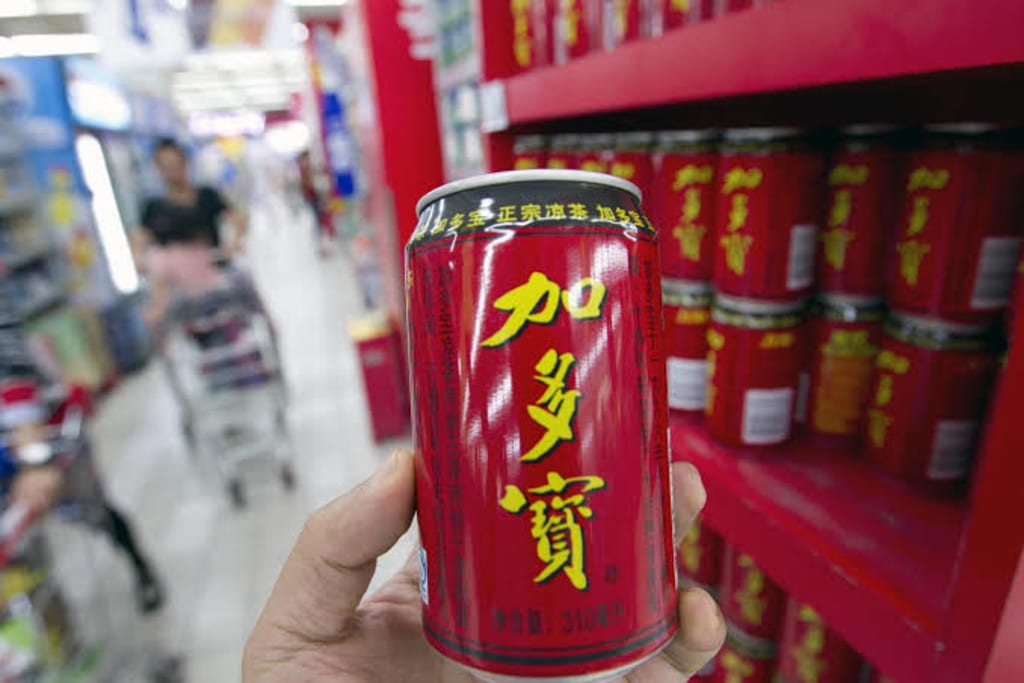
The red can retreats: why JDB disappeared from the freezer
Walk into a convenience store. Look at the freezer first.
The most visible spots usually go to sugar-free tea, sparkling water, iced Americanos, and electrolyte water. JDB sits on the lower shelf, next to legacy juices and canned coffee. The red can still catches the eye. The hand does not reach for it first.
A brand’s health shows in freezer placement, not ads. JDB did not suddenly disappear. It was moved out of everyday choices.
1. The word “shanghuo”: young people don’t use it anymore
JDB’s rise rested on one slogan: “Afraid of shanghuo? Drink JDB.”
That line was once worth a lot. It turned “shanghuo” into a nationwide consumer demand. Hot pot, staying up late, BBQ, sore throat: all became reasons to drink herbal tea. A can became the solution.
Young people today explain their bodies without that word.
A sore throat points to inflammation. Acne points to hormones and diet. Feeling awful after staying up late is sleep deprivation. Discomfort after hot pot is too much oil and spice. They read ingredient lists, count caffeine, check glycemic index, discuss sleep quality. When something goes wrong, they look for specific causes, not “shanghuo.”
Data from iiMedia Research shows more than 65% of young white-collar workers prefer sugar-free drinks. Herbal tea’s high sugar content runs straight into that trend. The packaged herbal tea market fell from a peak of 31.5 billion yuan in 2012 to 25.5 billion yuan in 2025. Over the same period, the new-style tea drink market reached nearly 400 billion yuan, more than ten times the size of the herbal tea market.
Young people turned to iced Americanos, Oriental Leaf, sparkling water. JDB’s “afraid of shanghuo” line no longer lands on a concrete reason to buy.
2. The first three seconds on the ingredient list
Pick up a can of JDB. Turn it over.
Sugar. Put it down.
Not fussiness. Oriental Leaf went from “worst-tasting drink” to a hit because it is sugar-free. New-style tea brands push less sugar and zero-calorie sweeteners. Even milk tea brands stress lighter options. Herbal tea is still sweet.
Young people do not avoid sweet drinks. If they want sweet, they choose milk tea, fruit tea, sparkling water. If they want a boost, they choose iced Americano. If they want to quench thirst, they choose water. Herbal tea is stuck in the middle: sweeter than water, weaker than coffee, more sugar than sugar-free tea, more old-fashioned than new-style tea.
It is an awkward choice.
3. The red can civil war
JDB’s enemy was not just young people. It was also Wanglaoji.
The two brands share the same origin. Hongdao Group, behind JDB, once operated Wanglaoji through trademark licensing and turned the red-can herbal tea into a national hit. Later, Guangzhou Pharmaceutical Group took back the trademark, and JDB was forced to change its name. Then the lawsuits began.
Trademarks, packaging, ad slogans, channels, retail displays: everywhere they could fight, they fought. In one trademark infringement case, JDB was ordered to pay 317 million yuan. Both sides’ marketing costs soared. Distributors grew tired of taking sides. Consumers were confused about which one was authentic.
While JDB and Wanglaoji drained their energy fighting each other, the entire herbal tea category missed the window for consumption upgrading. Sugar-free tea, new-style tea, coffee, and sparkling water rose rapidly during that window. By the time the two companies came to their senses, the market had changed.
The civil war had no winner. JDB lost momentum. Wanglaoji did not win the era either.
4. The rival is no longer Wanglaoji
JDB’s biggest rival used to be Wanglaoji. Now it faces a different market.
Young people drink iced Americano because it wakes them up. They drink Mixue because it is cheap. They drink Oriental Leaf because it is sugar-free. They drink sparkling water because it is refreshing. They drink electrolyte water because they need to replenish after exercise. Every choice has a clear function and scenario.
JDB’s scenarios are hot pot, BBQ, staying up late, and Spring Festival.
These scenarios have not disappeared. They have been split. Hot pot restaurants have sour plum drink, soy milk, soda, craft beer, new-style tea. People staying up late order coffee and energy drinks. For Spring Festival gifts, young people choose nuts, milk, fruit, health supplements, or they send red envelopes.
JDB’s marketing volume has also fallen. It once sponsored The Voice of China, sponsored the World Cup, and flooded audiences with “afraid of shanghuo” ads. In recent years, you cannot recall a single JDB campaign that broke out.
It launched gold cans, black cans, sugar-free herbal tea, and tried co-branding and national-trend collaborations. Most of these moves stayed at the level of changing packaging colors. Co-branded editions cost about 80% more than the classic version. Consumers take one look and pick up the sugar-free tea next to it.
Channels are shrinking too. JDB once relied most on food-service channels, especially hot pot restaurants, Sichuan restaurants, and BBQ stalls. Now these channels have too many drink options. Owners find that herbal tea sells slowly and has thin margins. Soda and beer move faster. If retail terminals do not push it, consumers remember it even less.
5. Retreating to New Year goods
JDB gradually retreated to two scenarios: parts of the South China regional market and the Spring Festival gift market.
In 2025, Spring Festival gift box sales were only one quarter of the peak. The brand went from an everyday drink to a once-a-year Spring Festival purchase.
It still appears at wedding banquets and occasionally at hot pot restaurants. On everyday shelves, it is no longer the easy reach.
6. The freezer door closes
Convenience store.
A young person picks up a bottle of sugar-free tea and closes the freezer door. The red can stays on the lower shelf. The light is still on.
JDB did not die. It just stopped being the easy pick.
A thousand repetitions of “afraid of shanghuo” in ads cannot beat the first three seconds on the ingredient list. Three seconds later, the hand reaches for sugar-free tea.
About the Creator
Jin
Writer of reamstories
https://reamstories.com/jin
Enjoyed the story? Support the Creator.
Subscribe for free to receive all their stories in your feed. You could also become a paid subscriber, letting them know you appreciate their work.
Comments
There are no comments for this story
Be the first to respond and start the conversation.