
Effort Never Lies
Consistency always shows results.

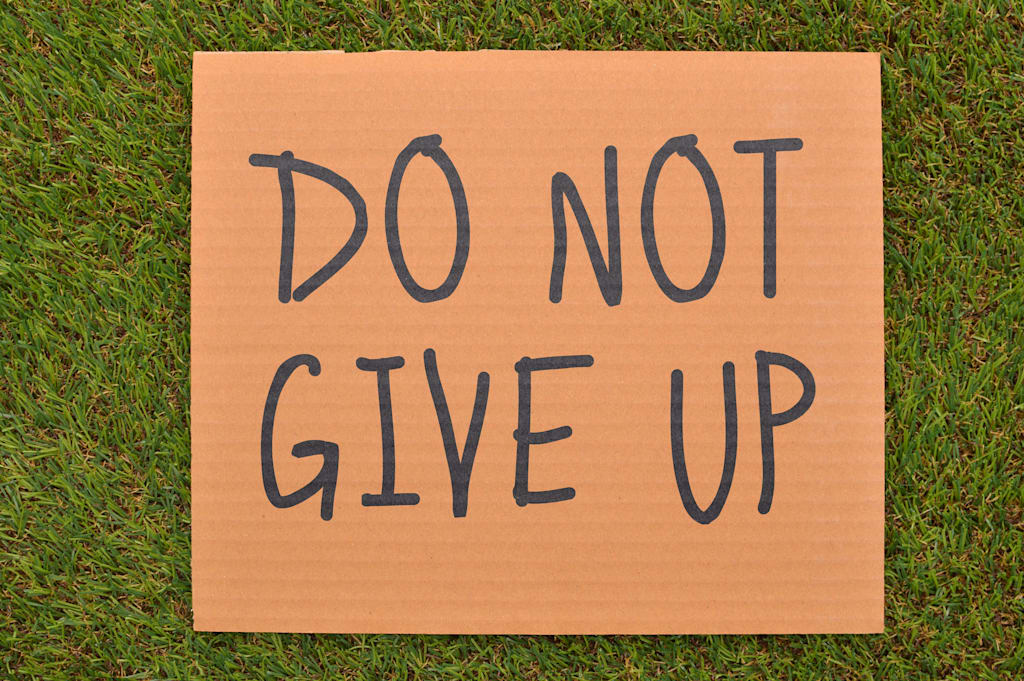
There’s a quiet truth that doesn’t need validation, applause, or even immediate results: effort never lies. It may go unnoticed, unrewarded, or even doubted in the moment—but over time, it reveals itself with undeniable clarity.
We live in a world obsessed with outcomes. People celebrate wins, promotions, achievements, and milestones. What often gets overlooked is the invisible work behind those moments—the early mornings, the repeated failures, the persistence when nothing seems to be working. Effort doesn’t always produce instant results, but it always leaves a trace.
Think about someone learning a new skill. It could be playing an instrument, coding, or even public speaking. In the beginning, progress feels painfully slow. Notes sound off, code breaks, words stumble. It’s tempting to believe that talent is missing or that success isn’t meant for them. But what’s really happening is something quieter: effort is building a foundation.
A guitarist practices chords daily. At first, their fingers hurt, transitions are clumsy, and nothing sounds quite right. Weeks pass with little noticeable improvement. Then one day, almost unexpectedly, the chords flow. The sound is smoother. The progress feels sudden, but it isn’t. It’s the result of consistent effort that was accumulating all along.
Effort works like that—it compounds in the background.
The problem is that most people quit before they see the return. Not because they’re incapable, but because they expect effort to show immediate proof. When it doesn’t, doubt creeps in. They start comparing themselves to others who seem naturally better or further ahead. What they don’t see is the effort those people invested long before it became visible.
Consider fitness. Someone starts going to the gym, motivated and determined. The first few weeks are tough. Muscles ache, energy fluctuates, and the mirror doesn’t reflect much change. It’s easy to feel like nothing is happening. But beneath the surface, the body is adapting—getting stronger, more efficient, more resilient. The visible transformation comes later, but it’s built on effort that never lied.
Effort doesn’t guarantee immediate success, but lack of effort almost guarantees stagnation.
There’s also a misconception that effort must always be intense. People often associate it with pushing to extremes—working endlessly, sacrificing rest, and burning out. But real, sustainable effort is consistent, not chaotic. It’s showing up regularly, even when motivation fades.
A student preparing for exams might try to cram everything in a few days. It feels like a lot of effort, but it’s scattered and exhausting. Another student studies a little each day, steadily building understanding. When exams arrive, the difference becomes clear. One relied on bursts of effort; the other relied on consistency. And consistency rarely lies.
Effort also shapes character in ways results cannot. When you commit to something and follow through, you build discipline. When you face setbacks and continue anyway, you build resilience. These qualities don’t always show up on a scoreboard, but they influence every part of your life.
Take someone pursuing a career goal. They apply for jobs, face rejections, and question their path. Each rejection feels like a verdict. But if they continue refining their skills, improving their approach, and learning from feedback, something shifts. Eventually, an opportunity aligns. From the outside, it might look like luck. But it’s not luck—it’s effort meeting timing.
So how do you trust effort when results are uncertain?
First, redefine what progress looks like. Instead of focusing only on outcomes, pay attention to actions. Did you show up today? Did you practice, learn, or improve even slightly? These small wins matter more than they seem. They’re indicators that you’re moving forward, even if the destination isn’t visible yet.
Second, detach effort from immediate validation. Not every action will produce praise or recognition. Some of the most important work happens quietly. If you rely solely on external feedback, you’ll lose motivation when it’s absent. Learn to value the act of effort itself.
Third, focus on systems rather than goals. Goals are important, but they can feel distant. Systems—your daily habits and routines—are within your control. If your system is strong, results will follow naturally. For example, instead of saying, “I want to get fit,” focus on exercising regularly. Instead of “I want to be successful,” focus on developing skills consistently.
Another practical approach is to track your effort. Not obsessively, but enough to see patterns. A writer might track how many words they write each day. A student might track study hours. Over time, this creates a tangible record of effort, making it easier to trust the process.
It’s also important to be patient. Effort operates on a different timeline than expectations. We often underestimate how long meaningful change takes and overestimate what can happen quickly. This mismatch leads to frustration. But when you align your expectations with reality, effort becomes easier to sustain.
There will be moments when effort feels pointless. Days when nothing seems to improve, when progress stalls, and when quitting feels like a reasonable option. These moments are part of the process. They don’t mean effort has failed—they mean it’s still working beneath the surface.
Think of effort like planting seeds. You don’t see growth immediately. For a while, it looks like nothing is happening. But underground, roots are forming. If you stop watering because you don’t see results, the growth never has a chance to appear.
Effort never lies, but it doesn’t always speak loudly. Sometimes it whispers, sometimes it waits, and sometimes it tests your patience. But eventually, it reveals itself—in skill, in strength, in opportunities, and in the person you become.
In the end, effort is one of the few things fully within your control. You can’t control outcomes, timing, or other people’s decisions. But you can control whether you show up, whether you try, and whether you continue.
And that’s enough.
Because when you look back, you’ll realize something important: the effort you thought was invisible was actually shaping everything.
About the Creator
THE GROWTH HABIT
By Dumisani Gift Mbatha
Enjoyed the story? Support the Creator.
Subscribe for free to receive all their stories in your feed.
Comments
There are no comments for this story
Be the first to respond and start the conversation.