Ancient
The Battle of Alesia: Caesar vs. Rome, Gaul vs. The Vercingetorix
An important turning point in Julius Caesar's conquest of Gaul was the Battle of Alesia, which took place in 52 BC. In this battle, the Gallic tribes led by Vercingetorix faced off against Caesar's Roman armies. Caesar's strategic acumen was tested throughout the conflict, which was fought close to the fortified hilltop town of Alesia.
By Francis Dami6 months ago in History
Uncovering the Mysteries of a Roman Free City: Aphrodisias
One of the most remarkable archaeological sites in the area is Aphrodisias, which is tucked away in the Meander River valley in southwest Turkey. From the second century BC until the sixth century AD, this city, named after Aphrodite, prospered and left behind a wealth of archaeological artefacts.
By Francis Dami6 months ago in History
World War 3: The Conflict That Could Reshape the Future
World War 3: The Conflict That Could Reshape the Future The question of when and where World War 3 might occur has become one of the most debated topics in global politics. While no one can predict the exact timing, increasing tensions between major world powers, regional conflicts, and military build-ups are creating conditions that many experts believe could lead to a global conflict. Unlike previous wars, World War 3 would not be limited to one continent — it would likely involve multiple regions simultaneously and include cyber warfare, economic battles, and advanced military technology.
By Wings of Time 6 months ago in History
Thracian Dancing, Music, and Art
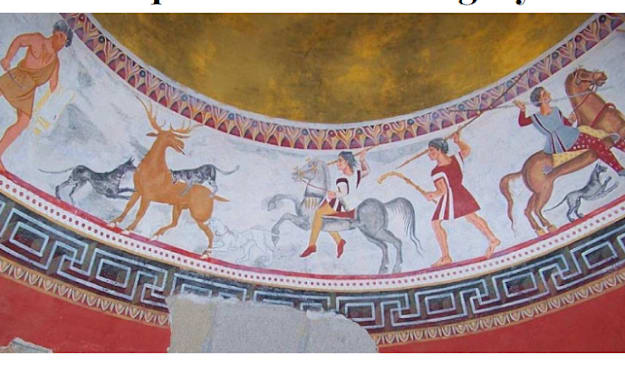
Even though the typical Thracian led a modest life, they did not lack culture. Thracians were renowned for their exquisite jewellery and striking metalwork, and art, music, and dance were important aspects of their way of life. Surprisingly complex metalwork is a hallmark of Thracian art.
By Francis Dami6 months ago in History
The Enigmatic Thracians: Revealing Their Distinctive Traditions and Culture
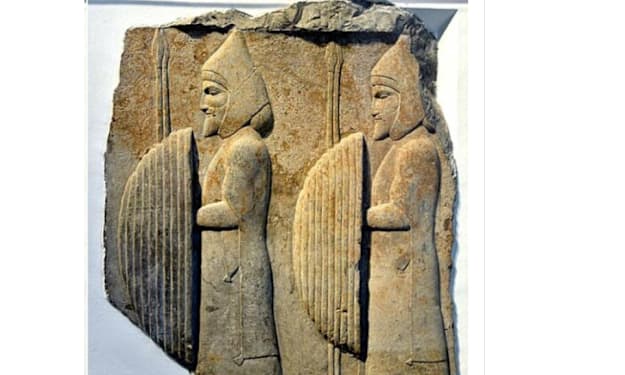
The Thracians, a mysterious civilisation that once flourished in the areas that now comprise Bulgaria, Greece, and Turkey, have proven difficult for historians to piece together. The Thracians were a significant force in the area for centuries, but they left no written records. Rather, we have to rely on the artefacts they left behind and the opinions of their neighbours, such as the Greeks and Romans.
By Francis Dami6 months ago in History
The Great Pyramid Algorithm: Integrated Edge Ramps Are Suggested by a New Study
According to recent computational research, a complex "Integrated Edge-Ramp" (IER) system may have been used in the construction of the Great Pyramid of Giza, perhaps resolving a 4,500-year-old architectural mystery. This model proposes a multi-channel system of ramps constructed directly into the pyramid's edges, challenging conventional notions of gigantic external ramps or intricate interior spirals. For the first time, the numbers truly add up.
By Francis Dami6 months ago in History
On the chest of an Egyptian child mummy, a hidden mystery object was found.
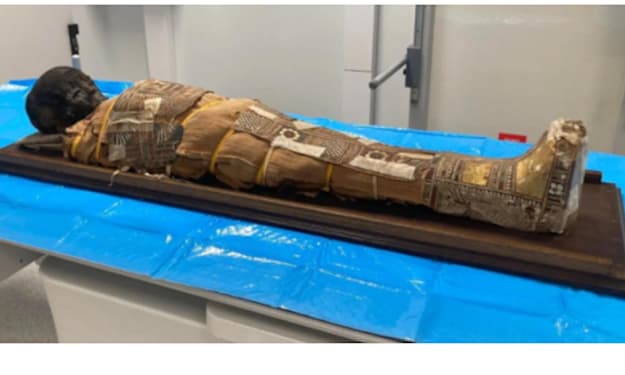
While studying a 2,000-year-old Egyptian mummy, Polish archaeologists uncovered an amazing finding. Intriguing doubts concerning the boy's identity and prehistoric burial customs were raised when scientists found a hidden object resting on his chest during the first-ever thorough scientific examination of the ancient remains. The discovery is already changing our understanding of Ptolemaic Egyptian funeral traditions.
By Francis Dami6 months ago in History
The Key to Long-Term Economic Success May Be in a Lost Mediaeval Village
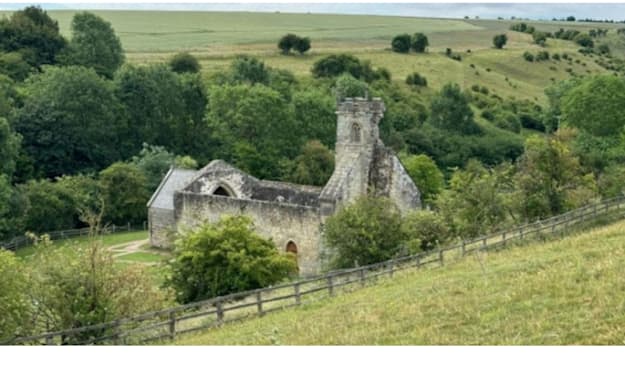
According to recent research, the "rubbish" left behind in a defunct mediaeval village in a remote part of Yorkshire may provide insights into how cultures attain sustained "green" success. Wharram Percy, a once-thriving village on a steep chalk hillside, is reduced to a grassy mound and a destroyed stone church.
By Francis Dami6 months ago in History
On a 2,000-year-old Karnak stele, Roman Emperor Tiberius is shown as Pharaoh.
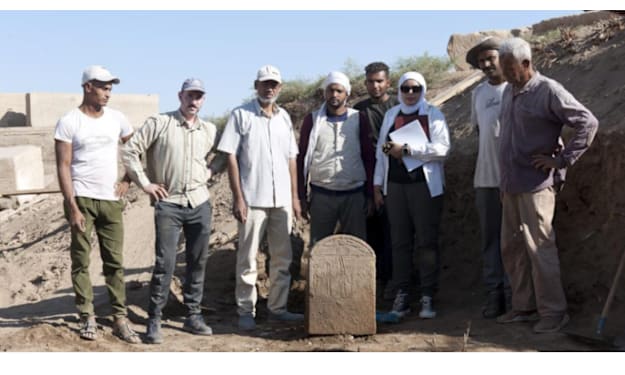
At the Karnak temple complex in Luxor, Egypt, a remarkable 2,000-year-old sandstone stele representing the Roman emperor Tiberius as an Egyptian pharaoh has been discovered. Fascinating insights into how Roman emperors attempted to legitimize their power by assimilating into Egypt's ancient religious traditions can be gained from this discovery, which was uncovered during the renovation of a massive entrance.
By Francis Dami6 months ago in History
Cuneiform Tablets Show That the Legendary King Gilgamesh Was Real
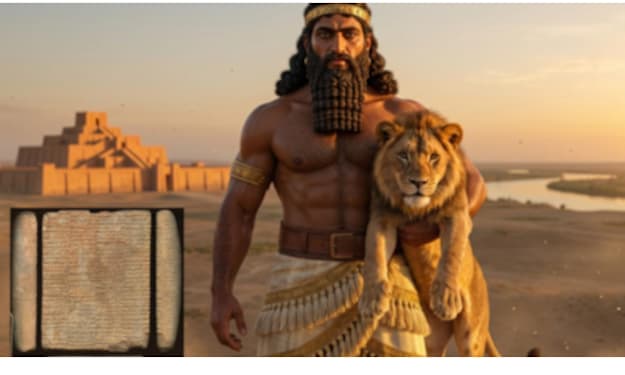
Researchers have now finished a thorough examination of the artefacts, more than a century after the National Museum of Denmark started collecting a sizable collection of inscribed clay tablets from the ancient Near East. "Hidden Treasures: The National Museum's Collection of Cuneiform Tablets," a ground-breaking effort, has digitised and catalogued these ancient manuscripts for the first time.
By Francis Dami6 months ago in History
Research Disproves the Legend of the Herlaugshaugen Ship Burial
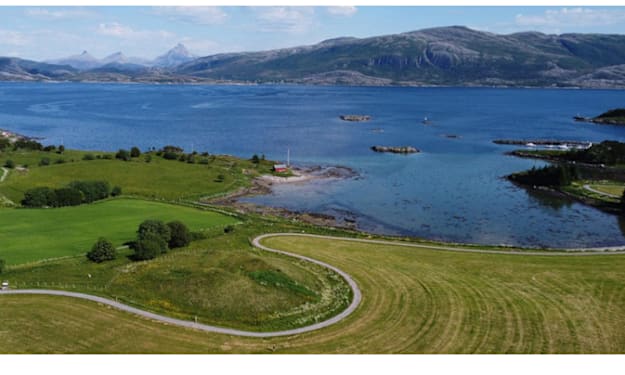
One of Scandinavia's oldest ship graves is located at the Herlaugshaugen burial mound on the island of Leka, off the coast of Norway, according to a recent study. The discovery, which dates to approximately AD 700, provides a crucial chronological connection between the later, well-known Norwegian ship mounds of the Viking Age and the well-known early seventh-century ship burials of Anglo-Saxon England, most notably Sutton Hoo.
By Francis Dami6 months ago in History
Weapons from the Caste War Discovered Submerged in Yucatán Cenote
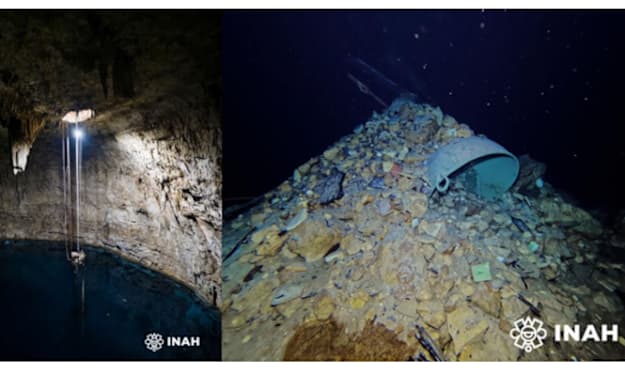
Weapons from the Caste War Discovered Submerged in Yucatán Cenote An incredible collection of 19th-century weapons has been discovered in a submerged archaeological site located deep beneath the Yucatán Peninsula. A wide variety of artefacts concealed below the Síis Já cenote, situated beneath the Ex Convento de San Bernardino de Siena in Sisal, Valladolid, have been documented by archaeologists from Mexico's National Institute of Anthropology and History (INAH).
By Francis Dami6 months ago in History