
World Mental Health Day 2026
Your Mental Health, Matters


How are you doing? I mean really, how are you?
Yesterday was World Mental Health Day, and communities everywhere celebrated this vital day around the globe.
It’s a day for those people who don’t have it figured out all the time.
A day to celebrate who we truly are — flaws and all.
A day to celebrate everyone, and not just those who seem successful on the outside.
A day for compassion and empathy.
A day to really listen to those who are struggling.
Everyone struggles at some point in their lives.
There are always reasons why you act the way you do. Your mind and body are closely linked and when adversity happens, you feel it.
When did you last take a beat and really feel your body? Do you ever pause?
Being aware of your mental health is just as important as your physical well-being. Your mental well-being is important because it affects everything that you think, say, do and feel, every single day.
Some people carry a heaviness behind their smiles every single day because of trauma. These people often live their lives alone, and yet they are amid us.
Silent and suffering, without a voice to explain how they are really feeling because they can’t. Their pain is too great and there’s never any time, am I right?
Imagine if that was you?
It could be your best friend, your neighbor or your colleague who is struggling right now.
You can feel alone in a crowd of people as a trauma survivor.
Look into their eyes.
Do their eyes match the smile?
What is their body language saying?
You can easily tell when someone is struggling, but how many of us care enough to notice and listen?
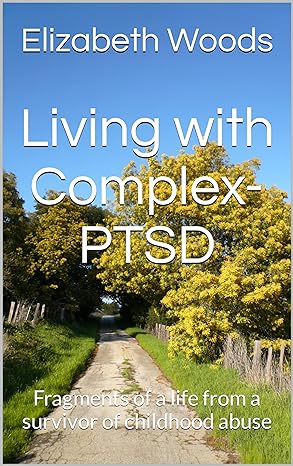
I see the way some people smile and feel the pain people hide from the world. I’m one of them because I lived through sexual abuse and horrific trauma throughout my childhood.
My so-called father ran a sex-ring with other pedophiles, and I saw women “tortured” and murdered next to me. These events changed me, and I carry that pain everywhere I go.
Trauma survivors exist all over our society, and they all have a story to tell. Some are as horrific as my own, or worse. Others are awful events that carve out heaviness only someone who has survived traumatic events can understand.
How many of us listen?
How many of us listen, and then help?
Traumatic events are those nobody should endure and they leave a mark. I’m talking about people who have suffered life threatening events due to trauma, not just from abuse, but living in war zones, religious persecution, and in the aftermath of natural disasters.
Trauma survivors are everywhere, but do we see them?
Mental Health Matters
Your mental well-being literally decides how you manage stress, productivity at work and how you socialize with others. It is critical in today’s world.
Trauma survivors need support from their communities to manage their memories. Their stories matter just as much as other people’s stories.
We should pay attention to those who are suffering from mental health conditions because their stories can help our health care system improve in the future.
One day, it could be you needing that help.
Mental health conditions are rising every day, and these problems will not go away. We must deal with them as a society before it’s too late.
How Physical Health Affects Mental Health
Brain Chemistry: There’s a link between exercise and your nutrition release to balance key neurochemicals like endorphins, dopamine, and serotonin. These chemicals exist to regulate mood and reduce stress.
Chronic Illness and Pain: Medical conditions like heart disease, diabetes, or long-term pain like Fibromyalgia double the risk of developing anxiety or depression. This is linked to both physiological stress and emotional fatigue.
Sleep and Energy: Poor physical habits, lack of outdoor light, or physical exhaustion disrupt sleep cycles. These affect your ability to concentrate and deteriorate your emotional resilience to triggers.
In other words, your mental health is vital to a healthy life. We depend on those brain chemicals to stay in check. Stress and emotional fatigue do affect our overall health if we don’t reduce them. Exercising and diet have a huge effect on how we feel.
Since the Covid19 Pandemic, mental well-being has become more important than ever.
Mental well-being matters now more than ever because we live in a world with rapid changes. We spend long hours behind screens at work, in high stress environments without proper breaks.
This is not good for us, and it has a negative impact on our overall health. If not now, then these negative side effects will start soon.
When your mental health is good, you can manage pressures from almost anywhere. But your mental well-being is connected to your physical health.
If you are feeling depressed, then your physical health can also suffer, for example through headaches and stomach upsets. People with anxiety and depression increase every year. People take sick days more often due to these symptoms because they can debilitate.
How many people can say that they never get headaches or tension in their neck and arms due to being stuck in front of a screen all day?
These are alarm bells, and we need to pay attention.
You don’t need to have a mental health condition to need help.
Do you ask for help when you are struggling?
Few people do.
Benefits of Mental Well-being:
Productivity: Healthy people learn new things easily and work well to achieve personal goals.
Relationships: People with good mental and physical health forge better relationships with family, friends, and co-workers.
Resilience: We are better at coping with life’s ups and downs and changes when our mental health is good.
What can we do to prioritize our mental well-being?
Self-care is essential for our everyday well-being such as getting enough sleep, drinking enough water, and taking screen breaks throughout the day.
Work smarter, not harder. Focus on the things that matter the most and know that you cannot do everything at once.
Setting boundaries. Practice saying “no” to things and think about what’s important in your life.
Communication. Having a close set of friends to confide in is important for our mental health. Laughter is the best medicine when you are feeling down.
Connecting with other people. Good relationships are wonderful for our mental well-being and belonging. Sharing our experiences and emotions are important.
Share your struggles with a few trusted friends who can help you. You will notice that you feel better afterwards.
Mindfulness — Be aware of the present moment and your thoughts and feelings in that moment. This is something most of us forget to do during the day.
Pause. Breathe. Think. We often forget to think about ourselves and take a time out for some “me” time. Try and build in a short break into your day and notice the difference.
Exercising regularly greatly benefits our overall health and changes our brain chemistry that positively affects our mood. Running and working out improves your fitness levels and strengthens your muscles.
Learning new skills can make a big difference to your mental well-being by having a goal to work towards. It boosts self-confidence. I decided to learn French before going to France this summer. Now, I’ve decided to try out Spanish and it’s fun to do something different.
Giving to others and being kind helps to connect with people and gives a sense of purpose. It feels great to help someone, no matter if it’s giving up your time to listen to a friend, or volunteering at a homeless shelter.
Accept the things you cannot change. This is a big one that we all find hard sometimes. Pay attention to the things that you have control over and let the other stuff go.
When you juggle too many plates in the air, you spread yourself too thin and eventually those plates come crashing down on you.
Challenge negative thoughts. Identify and replace those thoughts that are not good for your mental health with positive affirmations.
Instead of telling yourself, “You can’t do it,” change the narrative to “You can’t do it yet.”
Trust me, these small challenges can make huge differences to your mental state of mind. If you can think positive thoughts, your outlook changes.
Mental well-being is essential for our overall health and can have a big impact on us when we feel down. As a trauma survivor, I know only too well what negative thoughts can do to my day.
The days when I’m not triggered by memories are the ones where I thrive and feel strong. I want you to feel that way too.
My name is Lizzy. I’m a trauma survivor, a wife, a mom, a teacher, and an author.
If you like reading my posts, then please follow me.
For more about me: www.elizabethwoodsauthor.com
Support your fellow writer:
https://ko-fi.com/elizabe69245484

About the Creator
Elizabeth Woods
My name is Lizzy and I'm a mom, an author, school teacher and an MFA creative writing graduate. I write emotion-filled fiction narratives and mental health articles. This is my website: www.elizabethwoodsauthor.com
Enjoyed the story? Support the Creator.
Subscribe for free to receive all their stories in your feed. You could also become a paid subscriber, letting them know you appreciate their work.
Comments
There are no comments for this story
Be the first to respond and start the conversation.