
Visceral Fat and Brain Aging: Research Says They're Connected
The Hidden Body Fat That Ages Your Brain Faster

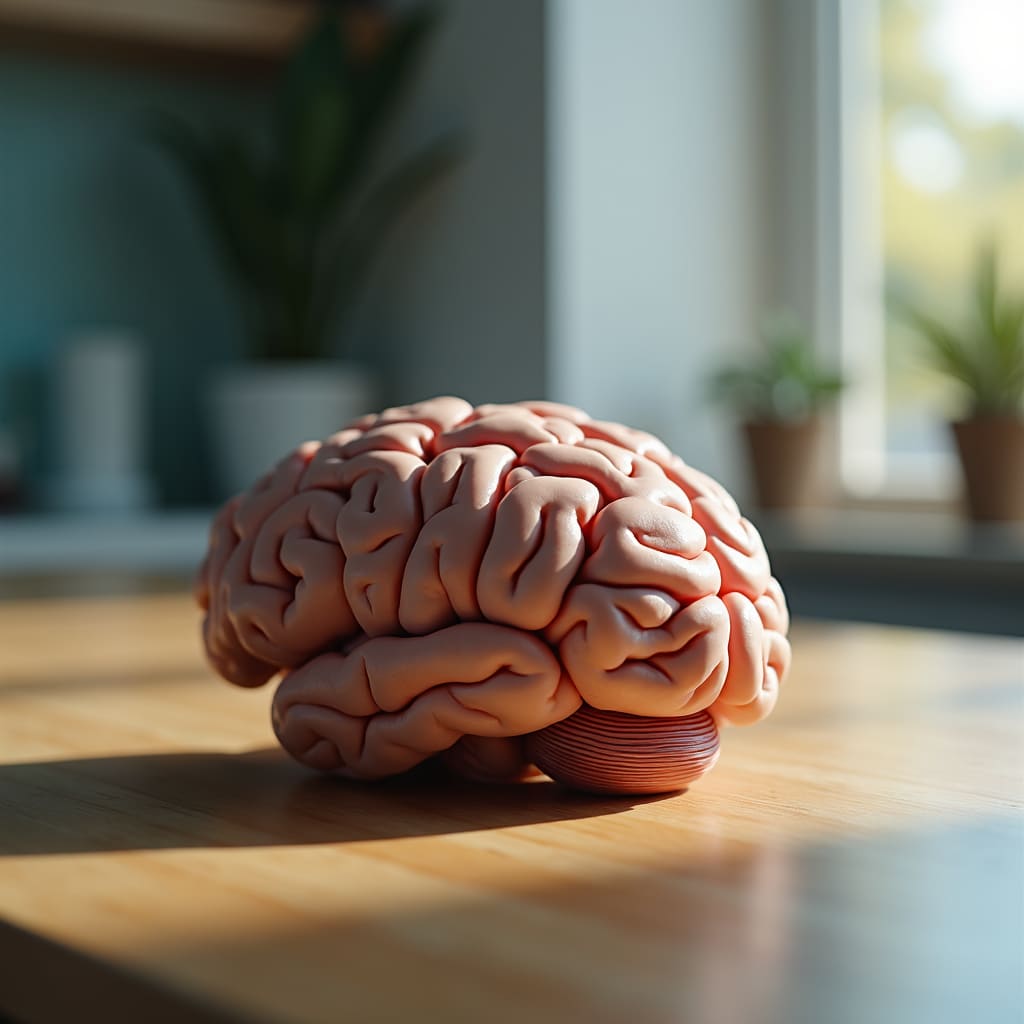
So here's a fun fact that's not actually that fun: you can be thin, eat your greens, and still be quietly aging your brain faster than your neighbor who "forgot" leg day exists.
Plot twist, right?
For years we've all been obsessed with BMI.
Step on the scale, get a number, panic or celebrate accordingly.
Turns out BMI is kind of like judging a book by counting its pages instead of reading it.
It tells you nothing about the plot.
The real plot twist is where your fat lives.
And scientists just found the one address you don't want your fat renting a room at: around your organs.
Let's get into it. I promise this is more interesting than it sounds.
Okay but what even is visceral fat?
Visceral fat is the fat that hangs out deep in your belly, wrapped around your organs like it's throwing them a party they didn't invite.
You can't see it in the mirror. Two people can look identical in a swimsuit and have wildly different amounts of it hiding inside.
Rude, honestly.
And unlike the fat on your arms or thighs, which is pretty chill and minds its own business, visceral fat is a menace.
It behaves like its own little chemical factory, pumping out inflammatory signals into your blood 24/7.
It's basically that one coworker who won't stop stirring drama in the group chat.
The study, minus the science jargon
Researchers in Hong Kong scanned brains, scanned fat, and tested memory in over 18,000 people.
That's not a small study, that's basically a small city.
They looked at fat in four spots: arms, legs, trunk, and the deep organ-hugging visceral kind.
Then they matched all that up against brain scans to see what fat was doing to people's brains behind the scenes.
Biggest study of its kind, ever.
So when it talks, we should probably listen.
Why visceral fat is the troublemaker of the group
Arm fat, leg fat, trunk fat? Basically minding their business.
A little bit of brain association, nothing dramatic.
Visceral fat, meanwhile, was the only one caught red-handed damaging your brain's white matter.
Quick explainer: white matter is the wiring that lets different parts of your brain send messages to each other. It's the brain's group chat infrastructure. Mess with the wiring, and messages get slow, garbled, or lost entirely. That shows up as fuzzy memory and slower thinking.
And that wiring damage is one of the early warning lights for dementia.
Not exactly a "no big deal" situation.
So how does belly fat mess with your brain?
Short answer: inflammation.
Visceral fat pumps out inflammatory chemicals like it's got somewhere to be.
Over time, that inflammation doesn't politely stay in your stomach.
It travels. It reaches your brain and starts messing with the wiring.
Blood sugar and insulin issues are probably in on it too.
They tend to show up as roommates whenever visceral fat moves in.
The "how old is your brain, actually" test
Researchers also built a model that guesses your brain's age just from a scan. Kind of like Face ID, but for your neurons.
People carrying more visceral fat tended to have brains that looked older than their actual birth certificate.
People with less of it, even at the exact same body weight, often had younger-looking brains.
So yes, your brain can be aging faster than you are, and it won't even send you a warning text.
What we still don't know
This study shows a strong link, not a slam-dunk "fat causes this" verdict.
It's more "these two things are clearly hanging out together a lot" than a signed confession.
Scientists still need more research to nail down exactly how visceral fat pulls this off.
Science moves like that friend who takes forever to text back but eventually gives you the whole story.
The actual good news
Unlike your height or your family's questionable genetics, visceral fat is not permanent. It responds to what you do.
Food, movement, sleep, stress, all of it nudges visceral fat up or down.
That makes it one of the few dementia risk factors you can actually do something about, instead of just worrying about it at 2am.
What to actually do with this
Stop obsessing over the number on the scale. It's not telling you the story that matters.
Start asking a better question: where is my fat, and what am I doing about the stuff around my organs?
Have a chat with your doctor about checking and reducing visceral fat.
This isn't about vanity or a smaller pants size.
It's about giving Future You a brain that still remembers where the car keys are.
About the Creator
Eina Liban
Finding beauty in everyday life and learning how to live it to the fullest. Writing on health, tech, and human wellness.
Enjoyed the story? Support the Creator.
Subscribe for free to receive all their stories in your feed.
Comments
There are no comments for this story
Be the first to respond and start the conversation.