
Rewriting Human Cells Into a Younger State
Longer Life


For centuries, humanity dreamed of reversing aging. Ancient civilizations searched for mythical fountains of youth, alchemists experimented with impossible elixirs, and modern scientists now study genetics and cellular biology in hopes of slowing or even reversing biological decline. What once sounded like pure science fiction is gradually entering serious scientific discussion.

Researchers around the world are beginning to manipulate one of the deepest mechanisms of life itself: the biological age of human cells. A growing number of scientists believe aging may not simply be unavoidable wear and tear, but something closer to a biological program that can potentially be modified, slowed, or partially reversed. Their research focuses on the idea that cells contain instructions that determine not only what they do, but also how “old” they behave. If those instructions can be reset safely, damaged tissues could regain youthful function, diseased organs could recover, and some of the worst effects of aging might eventually become treatable. The idea sounds radical, but it is built on real discoveries in molecular biology. Researchers are not talking about magical immortality. Instead, they are attempting something potentially far more important: extending healthy years of life by restoring the body’s ability to repair itself.
The Discovery That Changed Aging Research
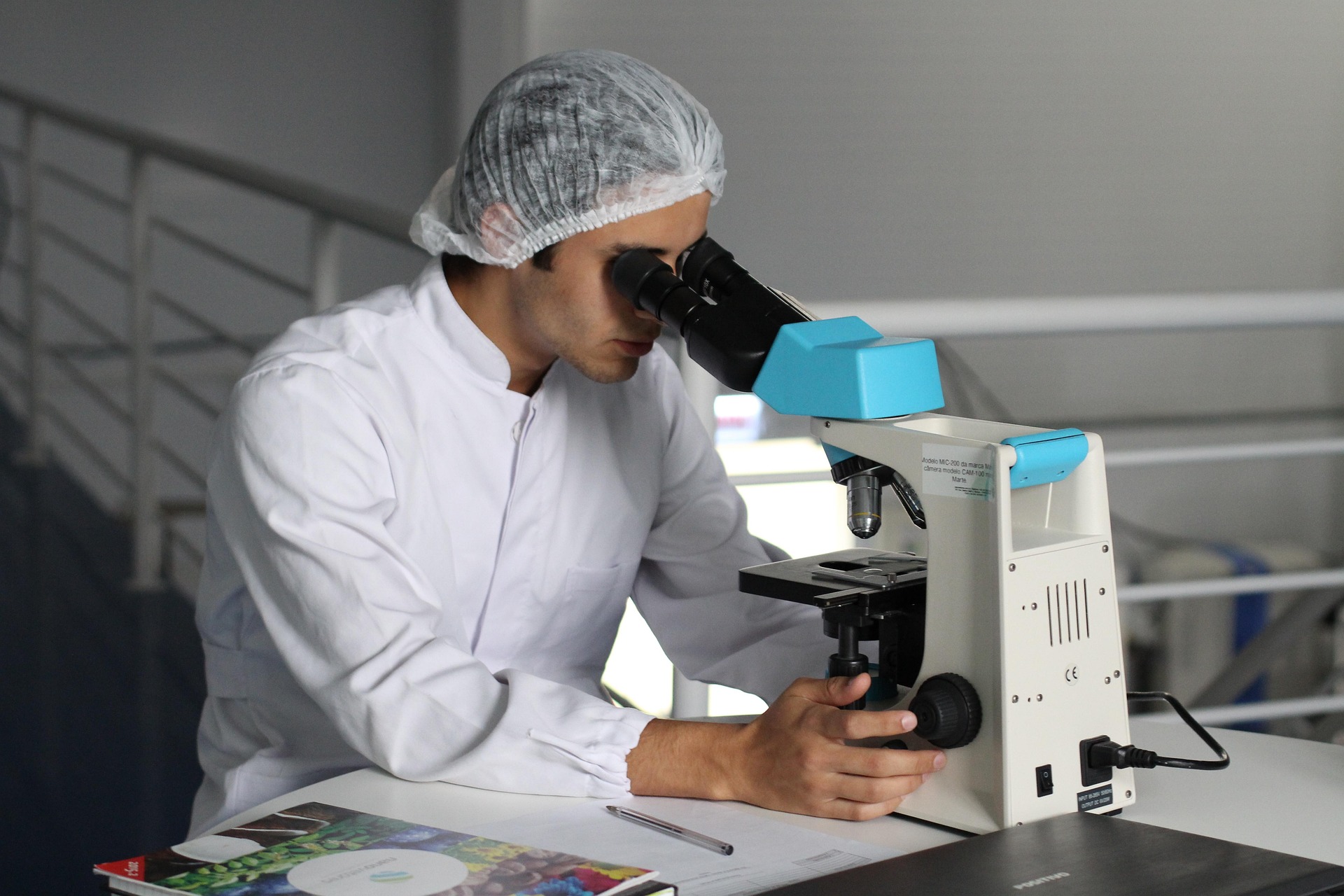
Modern anti-aging science changed dramatically in 2006 when Japanese scientist Shinya Yamanaka discovered that ordinary adult cells could be genetically reprogrammed into stem-cell-like states. By activating four special genes, later called the Yamanaka factors, researchers could effectively erase a cell’s biological identity and return it to a youthful condition similar to embryonic stem cells. The discovery shocked scientists because it suggested cellular aging might not be permanent. A mature skin cell could essentially be rewound biologically, almost like resetting software back to factory settings. Yamanaka eventually received the Nobel Prize for the breakthrough, and the finding opened entirely new fields of regenerative medicine. But there was an enormous problem. Fully reprogramming cells erased their identity completely. A skin cell stopped behaving like skin. A neuron stopped behaving like a neuron. Inside living organisms, this process could be dangerous and potentially trigger uncontrolled growth or tumors. Scientists quickly realized the real challenge was not full reprogramming, but partial reprogramming.
Partial Cellular Reprogramming
Instead of completely resetting cells into embryonic forms, researchers now attempt to rewind cells only slightly—just enough to restore youthful function while preserving their original role inside the body. This process is called partial cellular reprogramming. The goal is to rejuvenate cells without destroying their identity. Scientists compare it to repairing damaged software while keeping the operating system intact. Rather than turning a neuron into a stem cell, researchers want the neuron to remain a neuron while functioning like a younger version of itself. This approach focuses heavily on the epigenome, the layer of chemical instructions controlling how genes are switched on and off. Over time, these instructions become disorganized and noisy. Genes that should remain active weaken, while harmful pathways may become overactive. The result is slower repair, chronic inflammation, reduced energy production, and gradual tissue failure associated with aging. Partial reprogramming attempts to restore clarity to these instructions and bring cells back toward healthier biological function.
Why Scientists Think Aging May Be Reversible
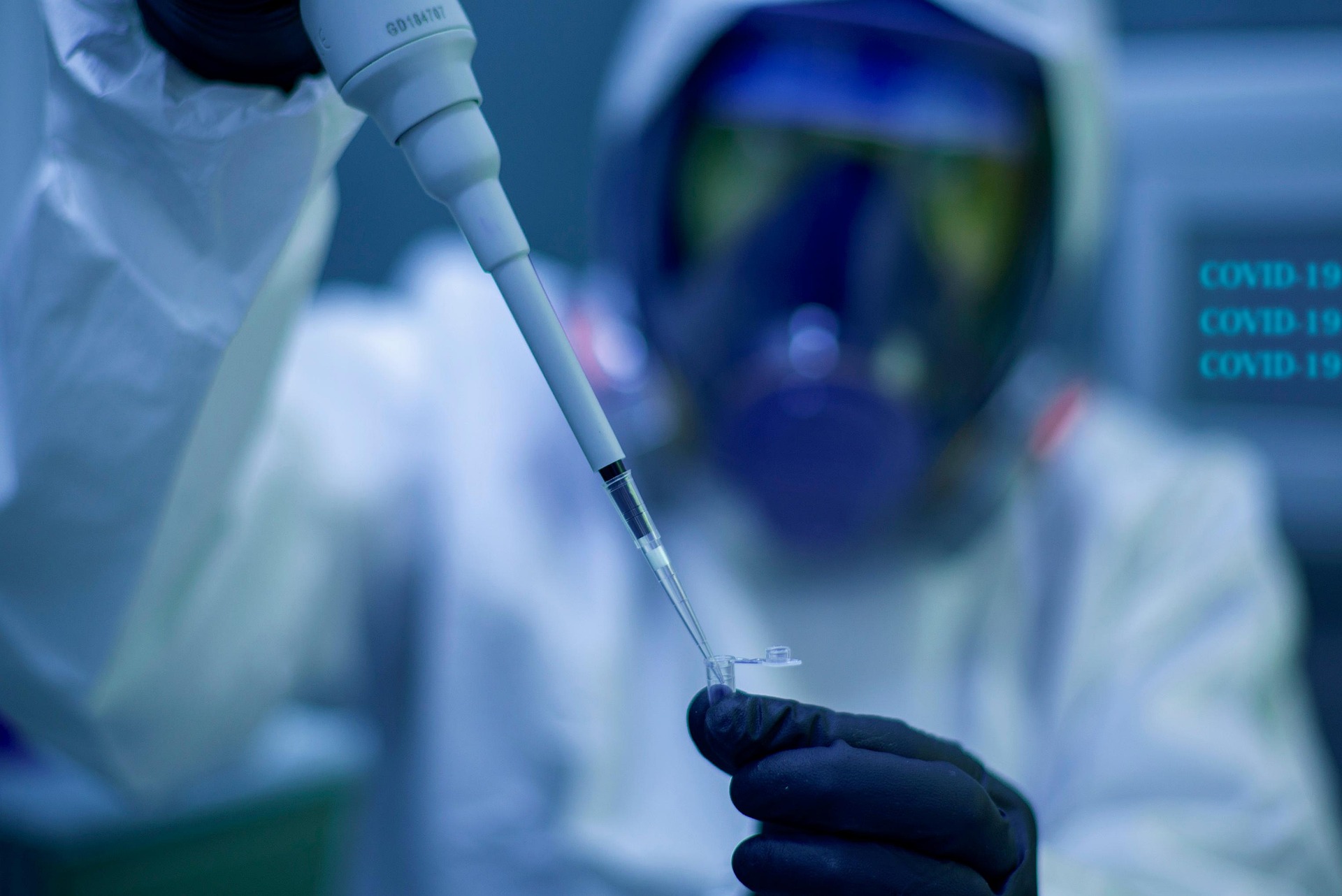
Many age-related diseases share common biological mechanisms. Alzheimer’s disease, heart disease, muscle loss, weakened immune systems, and some forms of blindness are all linked to declining cellular function. Researchers increasingly suspect that if cells can be rejuvenated, many diseases of aging could potentially be delayed together rather than treated one by one. Some experiments in mice have produced astonishing results. In several studies, scientists partially reprogrammed aged mice and observed improvements in tissue repair, muscle strength, nerve regeneration, and lifespan. One famous experiment restored damaged optic nerves in mice, allowing older animals to recover aspects of lost vision. The findings suggested aging cells may retain a hidden memory of their younger state. Researchers now believe cells may not completely forget how to function youthfully. Instead, the information may remain buried beneath layers of biological noise and accumulated damage.

Restoring Vision May Be the First Step
Many scientists believe the eye could become the first major testing ground for anti-aging therapies. The optic nerve is easier to access than organs deep inside the body, and visual improvements can be measured clearly during clinical trials. Companies such as Life Biosciences are testing therapies designed to rejuvenate optic nerve cells and restore damaged vision. Early animal experiments have shown that aged retinal cells can regain more youthful activity after partial reprogramming. Some damaged neurons even regained the ability to transmit signals more effectively. Human trials remain extremely early, but researchers see the eye as one of the safest and most practical starting points for regenerative therapies. If successful, similar approaches could later target the heart, liver, muscles, kidneys, immune system, and eventually the brain.
Can the Brain Be Rejuvenated?
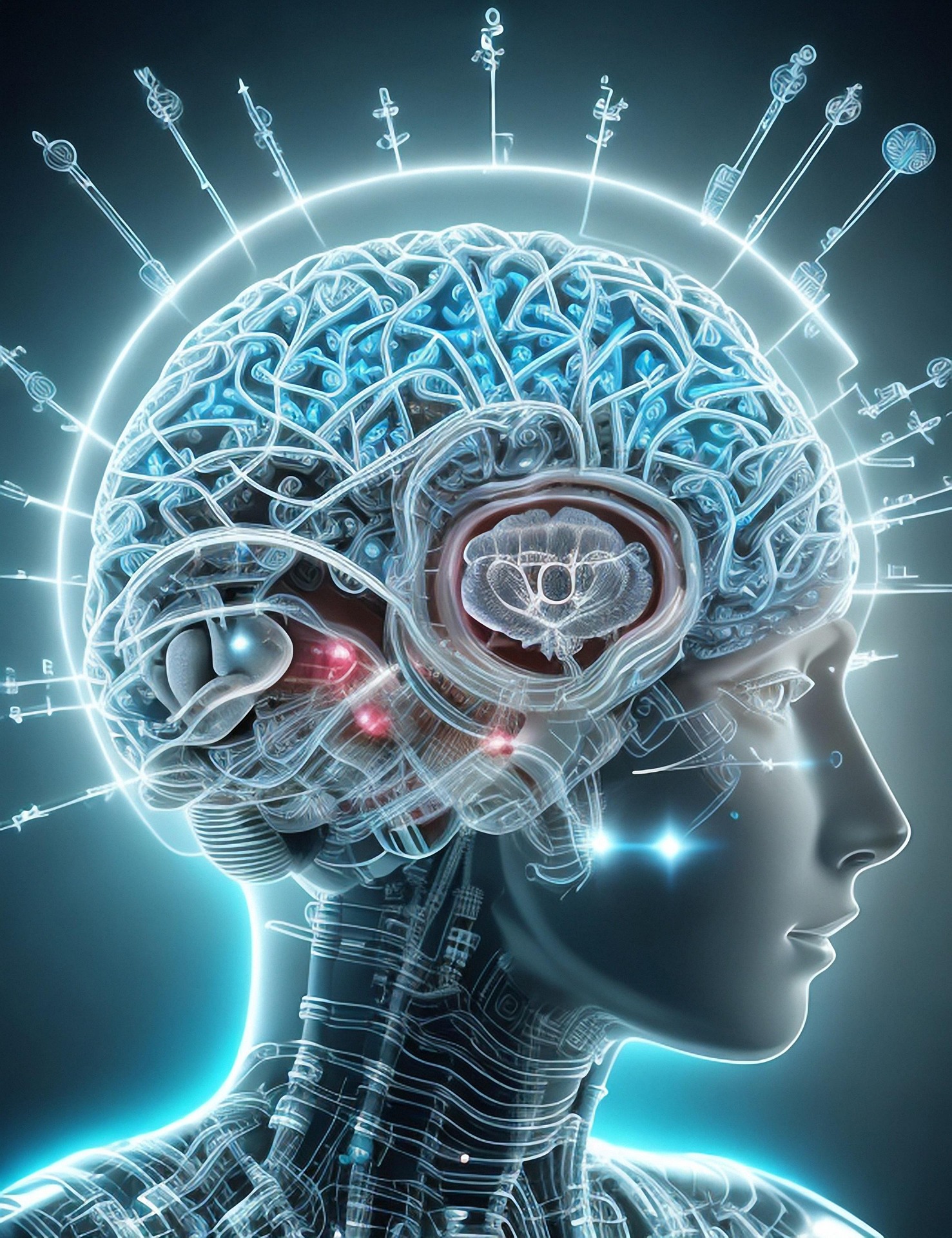
The possibility of rejuvenating brain cells raises some of the most exciting and unsettling questions in science. Neurons are extraordinarily complex. Human memories, personality, emotions, and consciousness all depend on delicate neural connections. Critics worry that reprogramming neurons could damage identity itself. Scientists working in the field argue the opposite. Their goal is not to erase memory or alter personality, but to restore the biological machinery that supports brain function. In theory, a rejuvenated neuron would still contain the same memories and connections but operate more efficiently. Researchers compare the process to upgrading damaged hardware without deleting the software. Animal studies suggest partial reprogramming may improve memory performance and neural repair in aging mice. However, experts caution that no proof yet exists that the technique can safely preserve human cognition over long periods. The brain may also be uniquely difficult because lost neurons are rarely replaced naturally. Preventing degeneration may be easier than rebuilding what has already disappeared.
The Cancer Problem
Despite the excitement surrounding anti-aging research, scientists face a major obstacle: safety. The same biological pathways capable of making cells younger can also trigger uncontrolled growth. One of the greatest fears is that reprogramming therapies could accidentally create cancer. Experiments in mice have already demonstrated the danger. In some studies, activating reprogramming factors too aggressively caused teratomas—strange tumors made from multiple tissue types including hair, bone, and muscle. Other experiments produced abnormal tissue growth when the process was interrupted incorrectly. Researchers therefore face an incredibly narrow balancing act. Push cells too little, and rejuvenation fails. Push them too far, and they may lose identity or become cancerous. Scientists still do not fully understand where the safe boundary lies.

Aging as a Treatable Condition
One of the biggest philosophical shifts in this field is the idea that aging itself could eventually be treated medically rather than simply accepted as inevitable. Currently, medicine treats age-related diseases separately. Doctors address heart disease, dementia, arthritis, diabetes, and osteoporosis as individual conditions. But many researchers argue these illnesses are merely different symptoms of the same underlying process: biological aging. If scientists learn how to slow or reverse cellular aging directly, medicine could fundamentally change. Instead of reacting to disease after damage occurs, doctors might preserve youthful biological function proactively. Preventive rejuvenation therapies could potentially delay multiple diseases simultaneously. Supporters believe this shift could transform healthcare more dramatically than antibiotics or vaccines once did.
Ethical and Social Questions
The possibility of slowing aging raises enormous ethical questions. If people remain healthy for far longer, retirement systems, careers, family structures, and economic models could all change dramatically. Population growth and resource consumption would become even more serious global issues. Critics also fear advanced anti-aging therapies could initially remain available only to the wealthy, increasing inequality. Some philosophers argue aging gives life urgency and meaning. Without natural limits, society itself might fundamentally change in unpredictable ways. Others counter that aging causes immense suffering and that extending healthy life is simply a continuation of medicine’s long effort to reduce pain and disease. Humanity already uses vaccines, surgeries, antibiotics, and organ transplants to prolong life. Anti-aging therapies may simply represent the next step.

Are We Near Immortality?
Despite sensational headlines, true immortality remains far beyond modern science. No therapy today can stop aging entirely. No treatment has proven capable of extending maximum human lifespan dramatically. Researchers are still struggling to understand the long-term consequences of even limited cellular reprogramming. Most scientists in the field avoid talking about immortality altogether. Their realistic goal is extending healthspan—the number of years people remain physically and mentally healthy. The first successful therapies will likely target specific diseases rather than aging itself. Treatments for blindness, neurodegeneration, immune decline, or muscle wasting may appear before any broader rejuvenation system exists. Still, the progress is remarkable.

For the first time in human history, scientists are no longer merely observing aging. They are beginning to experimentally manipulate it. And that may prove to be one of the most important scientific turning points humanity has ever seen.
About the Creator
History Seeker
I like the metal music I like the good food and the history...
Enjoyed the story? Support the Creator.
Subscribe for free to receive all their stories in your feed.
Comments
There are no comments for this story
Be the first to respond and start the conversation.