
100 Days Under the Sea: The Engineer Who Says He Gained 10 Extra Years
Secrets of the World

The 100-Day Underwater Experiment
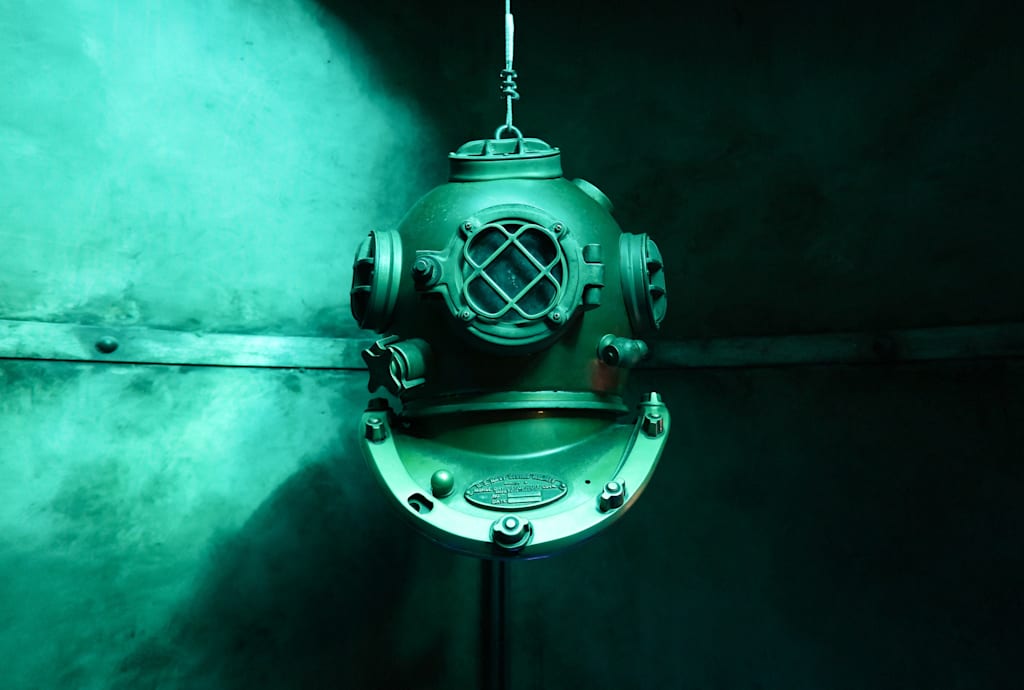
In 2023, biomedical engineer and retired U.S. Navy officer Joseph Dituri carried out one of the strangest human endurance experiments in recent history by spending 100 consecutive days living underwater inside a submerged habitat near Key Largo. The experiment, known as Project Neptune 100, took place inside the Jules’ Undersea Lodge, a small underwater research habitat located 22 feet beneath the ocean’s surface. Dituri’s mission officially broke the world record for the longest continuous time living underwater without depressurization, surpassing the previous record of 73 days set in 2014. But for Dituri, the record itself was only secondary. His real goal was to study how prolonged exposure to increased atmospheric pressure could affect human aging, recovery, sleep, inflammation, and overall biological health.

For more than three months, Dituri lived entirely beneath the sea in a confined 100-square-foot environment roughly the size of a tiny studio apartment. The habitat contained a bed, microwave, computer equipment, exercise gear, and scientific instruments used to monitor his body throughout the experiment. He continued teaching university classes remotely, conducted interviews, performed medical testing, and communicated with researchers while isolated underwater. Although divers and visitors occasionally entered the habitat, Dituri himself never surfaced, meaning his body remained under elevated atmospheric pressure continuously for 100 straight days.
Understanding Hyperbaric Pressure
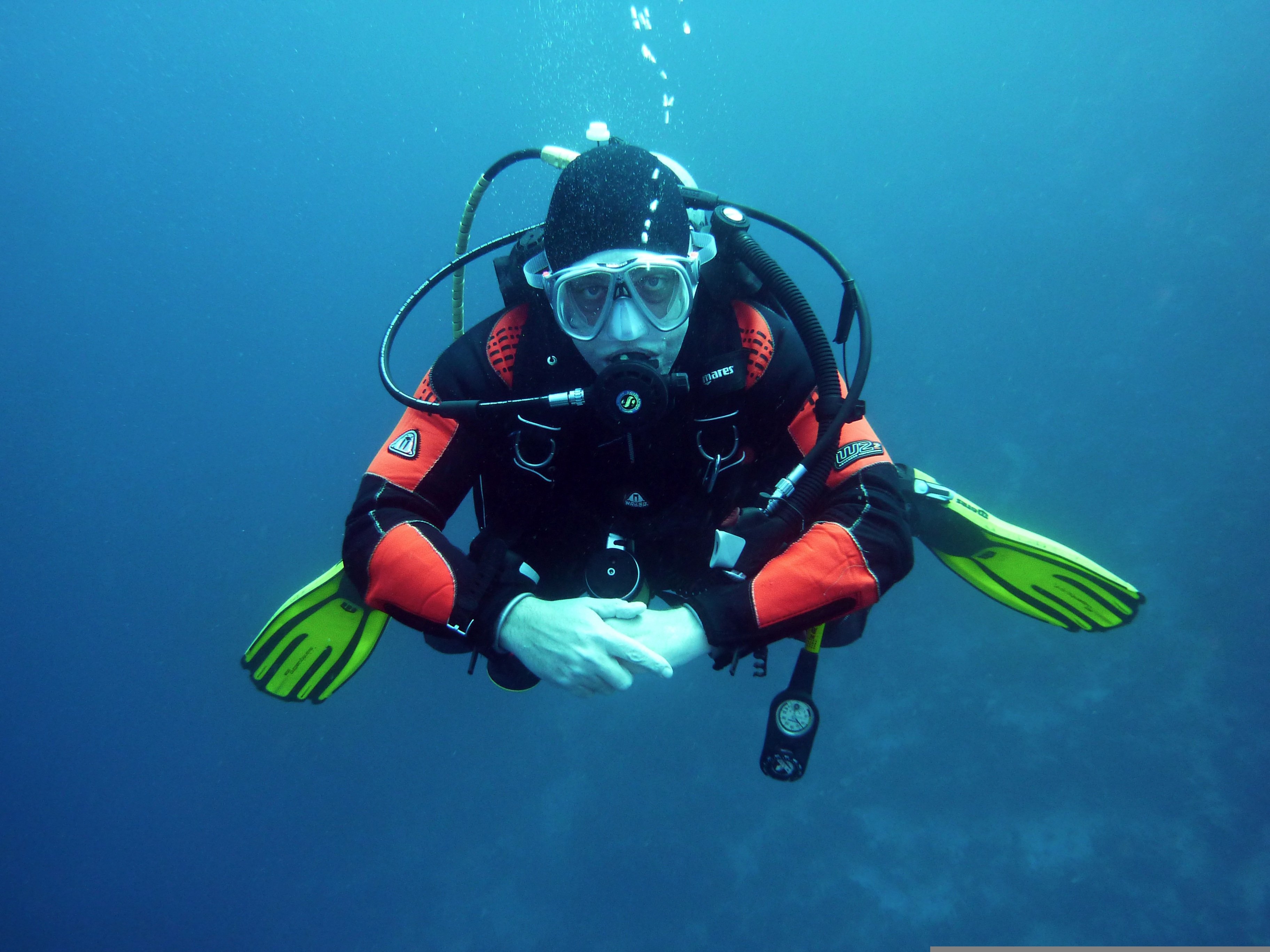
The foundation of Dituri’s experiment was based on the science behind hyperbaric oxygen therapy, often abbreviated as HBOT. Hyperbaric therapy involves placing patients inside a pressurized chamber where they breathe highly concentrated oxygen. Under higher atmospheric pressure, oxygen dissolves more efficiently into the bloodstream and body tissues, increasing oxygen delivery throughout the body. Hyperbaric treatments have been used for decades to treat decompression sickness in divers, carbon monoxide poisoning, radiation injuries, severe infections, burns, and non-healing wounds. Researchers have also explored its potential applications for traumatic brain injuries, stroke recovery, chronic inflammation, neurological disorders, and long COVID symptoms.
At sea level, humans normally live at approximately 1 atmosphere absolute, or 1 ATA. Inside the underwater habitat, Dituri lived at roughly 1.6 ATA, significantly increasing environmental pressure around his body. While this is nowhere near the extreme pressure experienced by deep-sea divers or submariners, it was enough to continuously expose his tissues to higher oxygen saturation levels for an unprecedented duration. Scientists already understood short-term hyperbaric therapy fairly well, but almost nobody had studied what would happen if a human lived under mild hyperbaric pressure continuously for over three months.
The Claimed Health Improvements
According to Dituri, the results were dramatic. Despite eating nearly the same diet he consumed before the experiment, he claimed to lose eight pounds and reduce his cholesterol levels by approximately 72 points. He also reported significant reductions in inflammatory markers and stress hormones such as cortisol. Chronic inflammation is closely associated with aging, cardiovascular disease, neurodegeneration, diabetes, and numerous other health problems, so these reductions attracted attention among researchers studying aging and longevity.
Perhaps the most surprising result involved hormone levels. Dituri claimed his testosterone levels increased sevenfold during the experiment. Elevated testosterone can improve muscle maintenance, energy levels, cognitive function, mood, bone density, and recovery. Although testosterone naturally fluctuates due to many factors, Dituri described the increase as one of the most unexpected outcomes of the underwater stay.
Sleep quality also reportedly improved substantially. Before beginning the mission, Dituri attempted to replicate the underwater environment at home by darkening rooms and lowering temperatures for comparison purposes. During the underwater stay, he claimed to experience dramatically better sleep quality and significantly more REM sleep, the critical stage associated with memory consolidation, emotional regulation, and neurological recovery. Brain scans and EEG measurements reportedly showed stronger neural coherence and more efficient communication between brain regions after prolonged exposure to the hyperbaric environment.
Dituri described feeling mentally sharper, more energized, and physically stronger upon returning to the surface. According to him, he emerged from the underwater mission feeling biologically younger than before he entered.
Telomeres and Biological Aging
One of the biggest reasons Dituri’s experiment gained international attention was its connection to research surrounding telomeres and aging. Telomeres are protective caps located at the ends of chromosomes that gradually shorten as cells divide over time. Scientists often consider telomere length one possible biomarker of biological aging because shorter telomeres are associated with cellular aging, disease risk, and reduced lifespan.
Some studies, particularly research conducted in Israel, suggested that hyperbaric oxygen therapy could temporarily lengthen telomeres and stimulate stem cell production. These findings sparked excitement within longevity research communities because they hinted at the possibility of slowing or partially reversing certain biological markers associated with aging. Dituri interpreted his underwater experiment as further support for these theories, eventually claiming that repeated hyperbaric treatments might reduce biological age by as much as 10 years when combined with proper lifestyle habits.
However, many experts strongly caution against drawing such sweeping conclusions. Telomere biology is extraordinarily complex, and changes in telomere length do not necessarily translate directly into increased lifespan or improved long-term health outcomes. Some scientists have warned that the original telomere studies were widely overinterpreted in popular media and do not prove hyperbaric therapy extends human life expectancy.
The Risks of Living Underwater
Although Dituri emphasized the positive effects of the experiment, prolonged underwater habitation also carries significant risks and physical stresses. Living under elevated atmospheric pressure for months places unusual strain on the human body. One unexpected side effect Dituri experienced was spinal compression caused by sustained pressure, resulting in a loss of approximately three-quarters of an inch in height. He later regained the lost height through decompression recovery exercises and inversion therapy.
The underwater habitat itself also posed serious psychological challenges. Dituri lived for over three months without direct sunlight, natural weather, fresh outdoor air, or physical human contact. Long-term isolation environments are known to increase risks of anxiety, sleep disruption, sensory deprivation effects, and depression. Similar psychological challenges are observed among astronauts, submariners, polar researchers, and deep-sea crews.
Additionally, hyperbaric exposure itself is not entirely risk-free. Excessive oxygen exposure can potentially cause oxygen toxicity, seizures, lung damage, ear injuries, sinus barotrauma, and visual disturbances under certain conditions. Strict medical supervision is normally required during prolonged hyperbaric treatments.
Scientific Skepticism
While Dituri strongly believes his experiment demonstrated life-extending benefits, many medical experts remain cautious. Specialists in diving medicine and hyperbaric physiology point out that thousands of patients have already undergone extended hyperbaric treatment regimens for approved medical conditions without any clear evidence of increased lifespan. Critics also emphasize that a single self-experiment, even one involving extensive testing, cannot establish scientific proof.
Neal Pollock, a diving physiology expert at Laval University, noted that while hyperbaric therapy is highly effective for specific medical treatments, there is currently no convincing evidence demonstrating systematic increases in longevity. Other physicians argue that many anti-aging claims associated with hyperbaric therapy are being commercially exaggerated far beyond what current scientific evidence actually supports.
Kinjal Sethuraman of the University of Maryland Medical Center argued that people seeking longer and healthier lives would likely achieve greater benefits from proven interventions such as exercise, nutrition, stress reduction, restorative sleep, and strong social relationships rather than expensive hyperbaric treatments.
The Growing Fascination With Longevity Science
Despite skepticism, Dituri’s experiment arrived during a period of enormous public fascination with longevity research, anti-aging biotechnology, and human performance enhancement. Billionaires, startups, biotech companies, and universities are investing heavily into therapies aimed at slowing aging, improving regeneration, and extending healthy lifespan. Research areas now include gene editing, senolytic drugs, stem cell therapies, caloric restriction mimetics, cryopreservation, microbiome engineering, and advanced oxygen therapies.
Hyperbaric oxygen therapy has become increasingly popular among athletes, celebrities, entrepreneurs, and wellness clinics, many of whom claim it improves recovery, cognitive performance, and energy levels. Professional athletes have used hyperbaric chambers for injury recovery for years, although evidence for broad anti-aging effects remains inconclusive.
Dituri’s underwater mission helped push hyperbaric therapy even further into mainstream public attention because it combined scientific experimentation with the dramatic imagery of a human living beneath the sea for over three months. The experiment resembled something between a space mission, a submarine deployment, and a futuristic longevity trial.
What the Experiment Really Proved
What Dituri’s 100-day underwater stay ultimately proved depends largely on interpretation. At minimum, the experiment demonstrated that humans can tolerate moderately elevated atmospheric pressure for remarkably long periods without catastrophic health consequences. It also generated interesting physiological data that may inspire future research into oxygen therapy, sleep, inflammation, recovery, and aging biomarkers.

However, most scientists agree that there is still no definitive evidence hyperbaric environments can literally extend lifespan by 10 years. The biology of aging is vastly more complicated than any single treatment approach. Still, Dituri remains convinced the future of medicine will increasingly involve controlled oxygen environments and pressure-based therapies. Whether history eventually views his underwater experiment as a groundbreaking scientific milestone or simply an unusual physiological curiosity remains uncertain, but it undeniably reignited global interest in one of medicine’s most mysterious frontiers: slowing the human aging process itself.
About the Creator
History Seeker
I like the metal music I like the good food and the history...
Enjoyed the story? Support the Creator.
Subscribe for free to receive all their stories in your feed.
Comments
There are no comments for this story
Be the first to respond and start the conversation.