
Mental Health Toolkit: Evidence-Based Techniques That Work
Simple, Science-Backed Strategies to Reduce Stress, Improve Focus, and Build Emotional Resilience

Mental Health Toolkit: Evidence-Based Techniques That Work
Simple, Science-Backed Strategies to Reduce Stress, Improve Focus, and Build Emotional Resilience
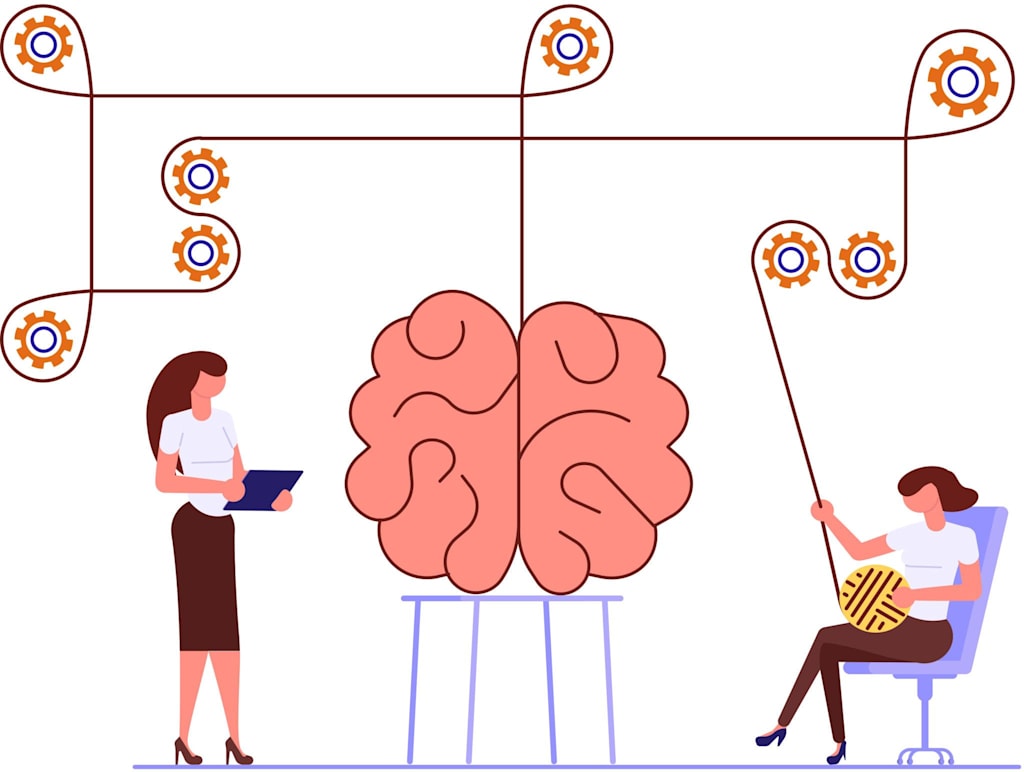
Mental health is no longer a topic we can afford to ignore. In a world filled with constant notifications, pressure to perform, and an overwhelming amount of information, maintaining emotional balance has become more challenging than ever. The good news is that improving mental health doesn’t always require drastic changes. In fact, some of the most effective strategies are simple, practical, and backed by scientific research.Think of your mental health like a toolkit. Just as you would use different tools to fix different problems, you can use a variety of techniques to manage stress, improve focus, and strengthen your emotional resilience. The key is knowing which tools work—and how to use them consistently.
1. The Power of Cognitive Reframing
One of the most effective psychological techniques is cognitive reframing, a core component of cognitive behavioral therapy (CBT). It involves identifying negative thought patterns and consciously replacing them with more balanced and realistic ones.For example, instead of thinking, “I always fail,” you can reframe it as, “I didn’t succeed this time, but I can learn from this experience.”
This shift may seem small, but over time it can significantly reduce anxiety, improve self-confidence, and change the way you respond to challenges.
2. Mindfulness and Present-Moment Awareness
Mindfulness is the practice of paying attention to the present moment without judgment. Research shows that mindfulness can reduce stress, improve focus, and enhance emotional regulation.You don’t need to meditate for hours to practice mindfulness. Simple techniques include:
- Focusing on your breath for a few minutes
- Paying attention to your surroundings
- Observing your thoughts without reacting to them
These practices help calm the mind and prevent overthinking, which is a major contributor to anxiety.
3. The 5-4-3-2-1 Grounding Technique
When anxiety feels overwhelming, grounding techniques can bring you back to the present moment. One of the most effective methods is the 5-4-3-2-1 technique:
- 5 things you can see
- 4 things you can feel
- 3 things you can hear
- 2 things you can smell
- 1 thing you can taste
This method redirects your focus from anxious thoughts to your physical environment, helping you regain control.
4. Physical Movement and Mental Health
Exercise is not just for physical fitness—it’s one of the most powerful tools for mental well-being. Regular movement releases endorphins, reduces stress hormones, and improves mood.You don’t need an intense workout routine. Even simple activities like:
- Walking
- Stretching
- Light jogging
- Dancing
can have a significant positive impact on your mental state.
5. Structured Routines Reduce Chaos
A structured daily routine provides stability and reduces decision fatigue. When your day has a predictable rhythm, your mind feels more in control.
Simple routines might include:
- Waking up at the same time each day
- Setting specific work hours
- Scheduling breaks
- Having a consistent sleep routine
Structure creates a sense of order, which is essential for mental clarity.
6. Limiting Information Overload
We live in an age of constant information. Social media, news updates, and endless notifications can overwhelm the brain and increase stress.
Setting boundaries is crucial:
- Limit screen time
- Take breaks from social media
- Avoid checking news excessively
- Turn off unnecessary notifications
Reducing digital noise allows your mind to rest and recharge.
7. Journaling for Emotional Clarity
Writing down your thoughts is a powerful way to process emotions. Journaling helps you understand your feelings, identify patterns, and release mental tension.You don’t need to write perfectly. Just start with:
- “Today I feel…”
- “Something that bothered me was…”
- “One thing I’m grateful for is…”
Over time, journaling can improve self-awareness and emotional control.
8. The Importance of Sleep
Sleep is one of the most overlooked aspects of mental health. Poor sleep affects mood, focus, and emotional stability.
To improve sleep quality:
- Maintain a consistent sleep schedule
- Avoid screens before bed
- Create a calm sleeping environment
- Limit caffeine intake
A well-rested mind is more resilient and better equipped to handle stress.
9. Social Connection and Support
Humans are social beings, and meaningful connections play a crucial role in mental health. Talking to someone you trust can reduce stress and provide perspective.
This could be:
- A friend
- A family member
- A mentor
- A support group
You don’t have to face everything alone. Sharing your thoughts can be incredibly healing.
10. Practicing Self-Compassion
Many people are overly critical of themselves. Self-compassion involves treating yourself with the same kindness you would offer to a friend.
Instead of harsh self-judgment, try:
- Acknowledging your efforts
- Accepting imperfections
- Speaking to yourself with understanding
This approach reduces stress and builds emotional resilience over time.
Final Thoughts
Improving mental health is not about finding a single solution—it’s about building a toolkit of effective strategies that work for you. These evidence-based techniques are simple, practical, and accessible to anyone willing to try them.The most important step is consistency. Even small changes, when practiced regularly, can lead to significant improvements over time.Your mental health is not something you fix overnight—it’s something you nurture daily.And just like any toolkit, the more you use it, the stronger and more effective it becomes.
About the Creator
Robert Redford
i create powerful, easy-to-read articles on everything from history and world events to technology, lifestyle, and thought-provoking ideas. If sparks curiosity, I write about it. Always exploring, always delivering something worth reading.
Enjoyed the story? Support the Creator.
Subscribe for free to receive all their stories in your feed.
Comments
There are no comments for this story
Be the first to respond and start the conversation.