
Leaving Feels Like a Moral Failure
The Hidden Script of Social Judgment

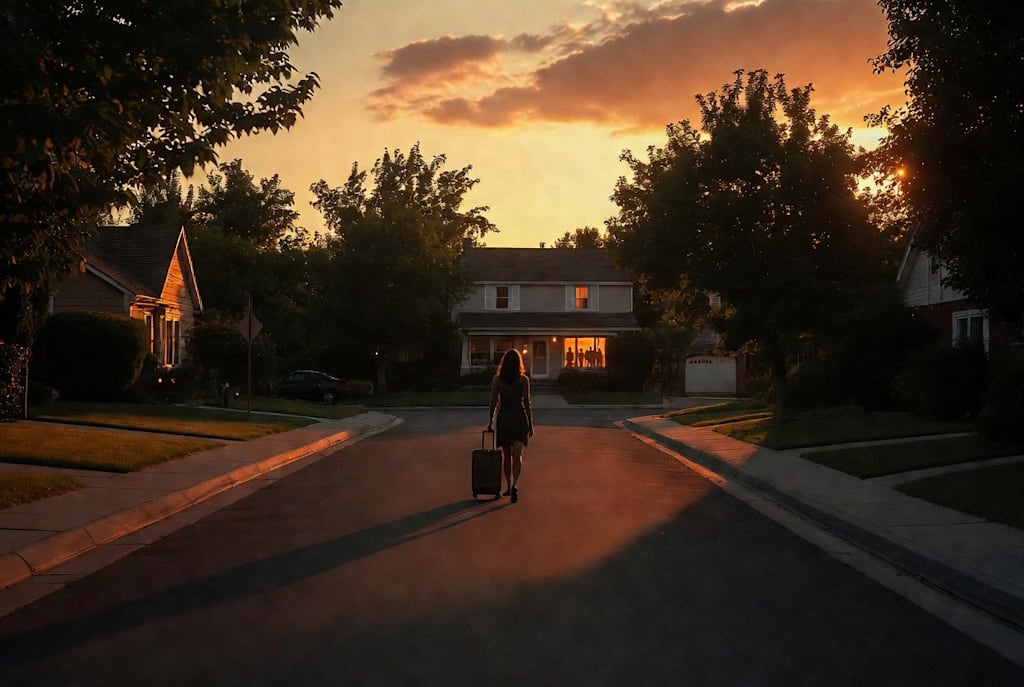
“In many cultures, women are taught that preserving the family matters more than preserving themselves. So when a woman considers divorce, she is not just confronting a relationship. She is confronting generations of conditioning around duty, sacrifice, obedience, and belonging.” - Dr Niyati
“I think a lot of people call something “moral” when what they really mean is familiar. The person causing harm can stay inside the social order and keep playing the role people are comfortable with. But the woman who leaves changes the dynamic completely. Suddenly people have to confront what they ignored, enabled, and normalized. That discomfort gets projected onto her. So she becomes “toxic,” “selfish,” “cold,” “dramatic,” while the actual harm gets minimized, because acknowledging it would require more from everyone else. - Annam M. Gordon
Both of these observations point to the same uncomfortable tension underneath social judgment.
Still, it captures a real, recurring pattern in how people react to disruption. Most people trust what feels stable before they question whether it’s actually healthy. So when someone maintains the surface level roles, smiling through dysfunction, keeping the family unit intact, not forcing others to confront ugly realities, they’re simply playing the script everyone already knows.
It means nobody has to feel uncomfortable. The person enabling or perpetuating harm can still fit the “good neighbor / loyal spouse / reliable colleague” template without forcing anyone to rethink themselves or take action.
The person who leaves breaks the script. The ignored red flags, the minimized complaints, the “that’s just how marriage is” assumptions all get dragged into the light. People have to decide: Do I side with the disruption, or do I minimize it to restore equilibrium?
It’s easier to turn that discomfort into blame. She becomes “selfish,” “overreacting,” “cold,” “toxic,” “destroying the family.” That lets everyone else avoid guilt, avoid changing their own behavior, and avoid rethinking what they normalized.
This isn’t hypothetical. You see it in:
Domestic abuse cases, where victims who finally exit often face more social judgment than the abuser who stayed “respectable.”
High conflict divorces, where the parent who initiates, statistically more often women when emotional or psychological harm is the driver, gets painted as the villain while the other party keeps the “devoted dad” or “long suffering husband” narrative.
Even non romantic examples, the employee who reports toxic management and gets labeled “not a team player,” or the friend who calls out family dysfunction and is told they’re “dramatic.”
That said, it’s not only about women, and it’s not universal. Men who leave abusive or dead marriages can also get hit with “deadbeat” or “midlife crisis” framing, especially if kids are involved.
Culture plays a huge role in this.
Some societies today celebrate the woman who walks away as empowered, others still shame her as a failure of femininity. And sometimes the leaver is being selfish or destructive. Not every exit is noble or necessary.
The dynamic I’m pointing to is real, but it can cut both ways depending on who holds the social power in a given circle.
Ultimately, a lot of what gets called “moral” is just “familiar and low friction.” True morality would ask harder questions:
Is harm actually occurring?
Who bears the real cost of maintaining the illusion?
Because most people are trying to protect their sense of normal, even when that normal is hurting someone. And that tension usually gets redirected onto the person forcing the reckoning.
Recognizing that does not make the leaver automatically virtuous. It only makes the reflexive judgment against her worth questioning.
About the Creator
Annam M Gordon
My books and writing focus on real people. These stories come from lived experience. I collaborate with individuals and mental health professionals. https://muckrack.com/annammgordon https://app.qwoted.com/sources/annam-m-gordon?
Enjoyed the story? Support the Creator.
Subscribe for free to receive all their stories in your feed. You could also become a paid subscriber, letting them know you appreciate their work.
Comments
There are no comments for this story
Be the first to respond and start the conversation.