
The Yam in My Grandmother’s Kitchen
A story about autumn, dry throats, and the root that settled our stomachs.
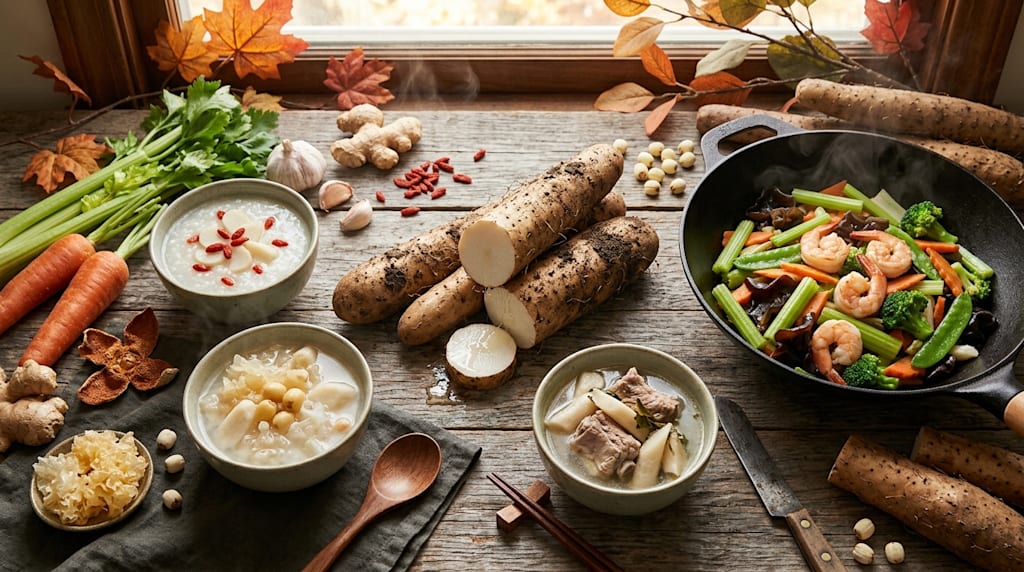
The first cold morning of October, my throat felt like paper. I drank half a cup of warm water and still felt dry. I took the bus to my grandmother’s apartment. She lived on the fourth floor. The elevator was broken. By the time I reached her door, my lips were cracked. She opened it and pointed at the kitchen. A bucket of water sat on the counter. Pieces of yam floated inside. A few drops of white vinegar clouded the water. She said, “Wash your hands. Put on gloves. We have work.”
I had not peeled yam since I was a child. Back then, I scratched my wrists raw. The sticky juice made my skin itch for hours. My grandmother rinsed my arms with cold water and told me not to scratch. Now she handed me a pair of disposable gloves. She wore her own. She took a yam from the bucket, scraped the skin with a knife, and dropped it into fresh water. I copied her. The yam was slippery. The knife slipped. She took my hand and guided it. “Short strokes,” she said. “Do not dig.”
We sliced the yam into thin rounds. She showed me how to cut carrot into diamond shapes. She showed me how to cut celery on a diagonal. She put a pot of water on the stove. When it boiled, she added salt and a few drops of oil. She dropped in the celery and carrot. When the water came back to a boil, she scooped them out and into a bowl of cold water. Then she blanched the yam for one minute. She drained it and cooled it. She said, “This keeps it white. This keeps it crisp.”
She heated oil in a wok. She added scallion, ginger, and garlic. The kitchen smelled warm. She added the vegetables. She stirred fast. She added salt and a little chicken bouillon. She poured in a thin slurry of water and starch. She tossed everything twice and turned off the heat. We ate it with rice. The celery was green. The yam was white. The carrot was orange. She said, “This is for your stomach. Autumn is dry. Your stomach needs something mild.”
The next day, she taught me another version. She soaked wood ear mushrooms in cold water. She peeled and sliced yam and put it in vinegar water. She cut celery. She took ten shrimp and removed the veins. She slit the backs. She put them in a bowl with salt, white pepper, and cooking wine. She said, “This takes the fish smell away. They curl into balls when they cook.” She boiled water with salt and oil. She added celery. Then yam, wood ear, and shrimp. When the water boiled, she removed everything and cooled it. She heated oil, added scallion, ginger, and garlic, then all the ingredients. She stirred over high heat. She added salt and chicken bouillon. She poured in a thin slurry. We ate it with rice. The shrimp were sweet. The wood ear was crunchy. The yam was soft in the middle and crisp at the edges.
On the third day, she made a plain stir-fry. She used green chili, carrot, wood ear, and yam. She minced ginger and garlic. She blanched the yam for two minutes. She blanched the wood ear for one minute. She heated oil and added ginger and garlic. She added carrot, green chili, and wood ear. She stirred until the carrot deepened in color. She added yam. She added salt and chicken bouillon. She poured in a slurry. She plated it. She said, “Green chili is for flavor. Do not add too much. It should not cover the yam.”
On the fourth day, she made broccoli and yam. She broke the broccoli into small florets. She blanched yam and carrot for one minute. She blanched the broccoli in water with salt and oil until it turned deep green. She cooled everything. She heated oil, added garlic, then broccoli, yam, and carrot. She stirred for two minutes. She added salt and chicken bouillon. She poured in a thin slurry. She said, “Salt and oil in the water keep the broccoli green. Cold water keeps it crisp.”
On the fifth day, she made four-color vegetable stir-fry. She used snow peas, yam, wood ear, and carrot. She removed the strings from the snow peas. She blanched yam and carrot for one minute. She blanched snow peas and wood ear until the peas turned deep green. She cooled them. She heated oil, added garlic, then snow peas and wood ear. She stirred for half a minute. She added yam and carrot. She added salt and chicken bouillon. She poured in a slurry and added a few drops of sesame oil. She said, “Snow peas cook fast. Do not leave them.”
In the afternoons, she made soup. She soaked snow fungus in cold water. She removed the yellow base and tore it into small pieces. She removed the hearts from lotus seeds. She cut yam into sections. She stewed the snow fungus and lotus seeds first. After the snow fungus released its gelatinous texture, she added yam and simmered for fifteen minutes. She added goji berries at the end. She cooked them for five minutes and turned off the heat. The soup was thick and clear. She did not add much sugar. She said, “The ingredients are sweet enough.”
One evening, she made old duck soup. She blanched the duck and skimmed the foam. She added ginger slices, dried tangerine peel, and yam sections. She simmered it low. She said, “Old duck is cool. If your stomach runs cold, add more ginger and peel. Or use pork ribs.” I asked her if she ever used lean pork. She said, “When your grandfather was alive, he had a weak stomach. I used ribs. The soup was clear. He could drink two bowls.”
She told me about a neighbor who ate too much yam at one meal. The neighbor felt bloated for a day. She said, “Yam is food, not medicine. If you have diabetes, count it as rice. If your stools are dry, do not eat too much. If your hands itch, wear gloves. If the itch is bad, see a doctor.” She said these things without drama. She said them the way she said “add salt” or “turn off the heat.”
On my last morning, her hands hurt. She could not grip the knife. She sat at the table and watched me peel the yam. I wore gloves. I sliced. I soaked the pieces in vinegar water. I blanched them. I heated the wok. I added garlic. I stirred fast. I added salt and chicken bouillon. I poured in the slurry. I plated the dish. She took a bite. She chewed. She said, “Good. You did not crowd the wok.” That was all. But she smiled.
Now it is autumn again. I live in a different city. My throat feels like paper in the morning. I go to the market. I buy yam. The vendor scrapes a strip of skin. The juice clings to the blade. I choose the thick ones for stir-fry. I choose the thin ones for congee. I take them home. I put on gloves. I peel. I slice. I soak them in water with a few drops of white vinegar. I boil water. I blanch celery first, then yam. I heat oil. I add garlic. When the fragrance rises, I add the vegetables. I stir. I add salt. I thicken with a thin slurry. I plate it. I eat it with half a bowl less rice.
Then I call my grandmother. She asks what I cooked. I tell her celery and yam. She asks if I cooled the celery. I say yes. She asks if I added the yam last. I say yes. She says, “Good.” We talk about the weather. She says her hands are better today. I tell her I will make snow fungus and lotus seed soup tomorrow. She says, “Soak the fungus in cold water. Do not soak it too long.” I say I know. She says, “I know you know. I am just saying.”
After we hang up, I wrap the leftover yam in plastic wrap and put it in the refrigerator. Tomorrow morning, I will cut a few sections and make congee. The kitchen will smell like rice and yam. The window will fog. I will stand there and stir. The autumn will still be dry. But my stomach will be warm. My throat will be less tight. And I will hear her voice in my head, short and plain. “Short strokes. Do not dig. Add the yam last.”
About the Creator
Jin
Writer of reamstories
https://reamstories.com/jin
Enjoyed the story? Support the Creator.
Subscribe for free to receive all their stories in your feed. You could also become a paid subscriber, letting them know you appreciate their work.
Comments
There are no comments for this story
Be the first to respond and start the conversation.