
Hypertension: The Silent Killer You Should Never Ignore
Understanding High Blood Pressure, Its Hidden Risks, and How to Prevent Life-Threatening Complications
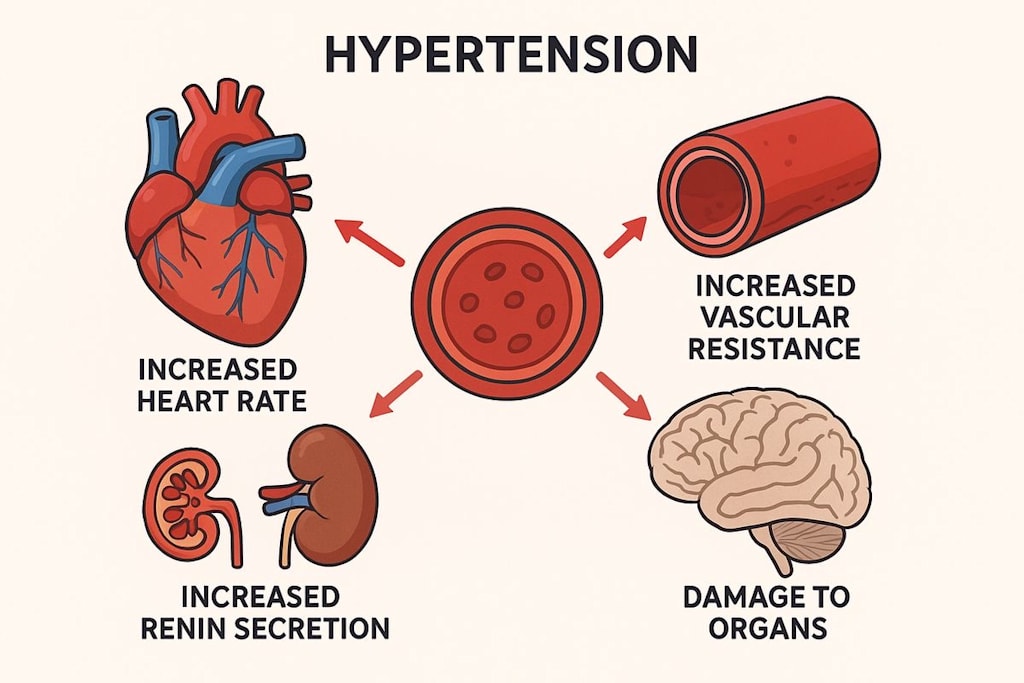
Hypertension, commonly known as high blood pressure, is one of the most dangerous yet overlooked health conditions in the world today. It is often called the “silent killer” because it can damage the body for years without showing clear symptoms, until serious complications such as heart attack, stroke, or kidney failure suddenly occur.
At its core, blood pressure is the force of blood pushing against the walls of your arteries as your heart pumps it around your body. When this pressure is consistently too high, it forces the heart and blood vessels to work harder than normal. Over time, this extra strain damages vital organs and increases the risk of life-threatening conditions.
What Exactly Causes Hypertension?
Hypertension usually develops gradually due to a combination of lifestyle, genetics, and underlying health conditions. In many cases, there is no single identifiable cause, which is known as primary (essential) hypertension. However, several factors significantly increase the risk:
* High salt intake and unhealthy diet
* Lack of physical activity
* Excess body weight or obesity
* Chronic stress
* Smoking and alcohol consumption
* Family history of high blood pressure
* Aging
Secondary hypertension, on the other hand, is caused by specific medical conditions such as kidney disease, hormonal disorders, or certain medications.
Why It Is Called the Silent Killer
One of the most dangerous aspects of hypertension is that it rarely shows obvious symptoms in its early stages. Many people live with high blood pressure for years without realizing it. However, in some cases, subtle signs may appear, including:
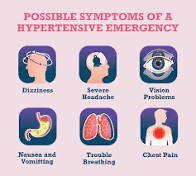
* Frequent headaches
* Dizziness or lightheadedness
* Blurred vision
* Shortness of breath
* Chest discomfort
* Fatigue
Unfortunately, these symptoms are often ignored or mistaken for other minor conditions, allowing the disease to progress unnoticed.
How Hypertension Affects the Body
When blood pressure remains high for a long period, it begins to damage blood vessels and organs. The heart becomes overworked, which can lead to heart enlargement and eventually heart failure. The arteries may become stiff or narrowed, increasing the risk of heart attack and stroke.
The kidneys are also highly affected because they rely on healthy blood vessels to filter waste from the body. Damaged vessels can lead to kidney disease or even kidney failure. In the brain, hypertension increases the risk of cognitive decline and vascular dementia over time.
Prevention: Small Changes, Big Impact
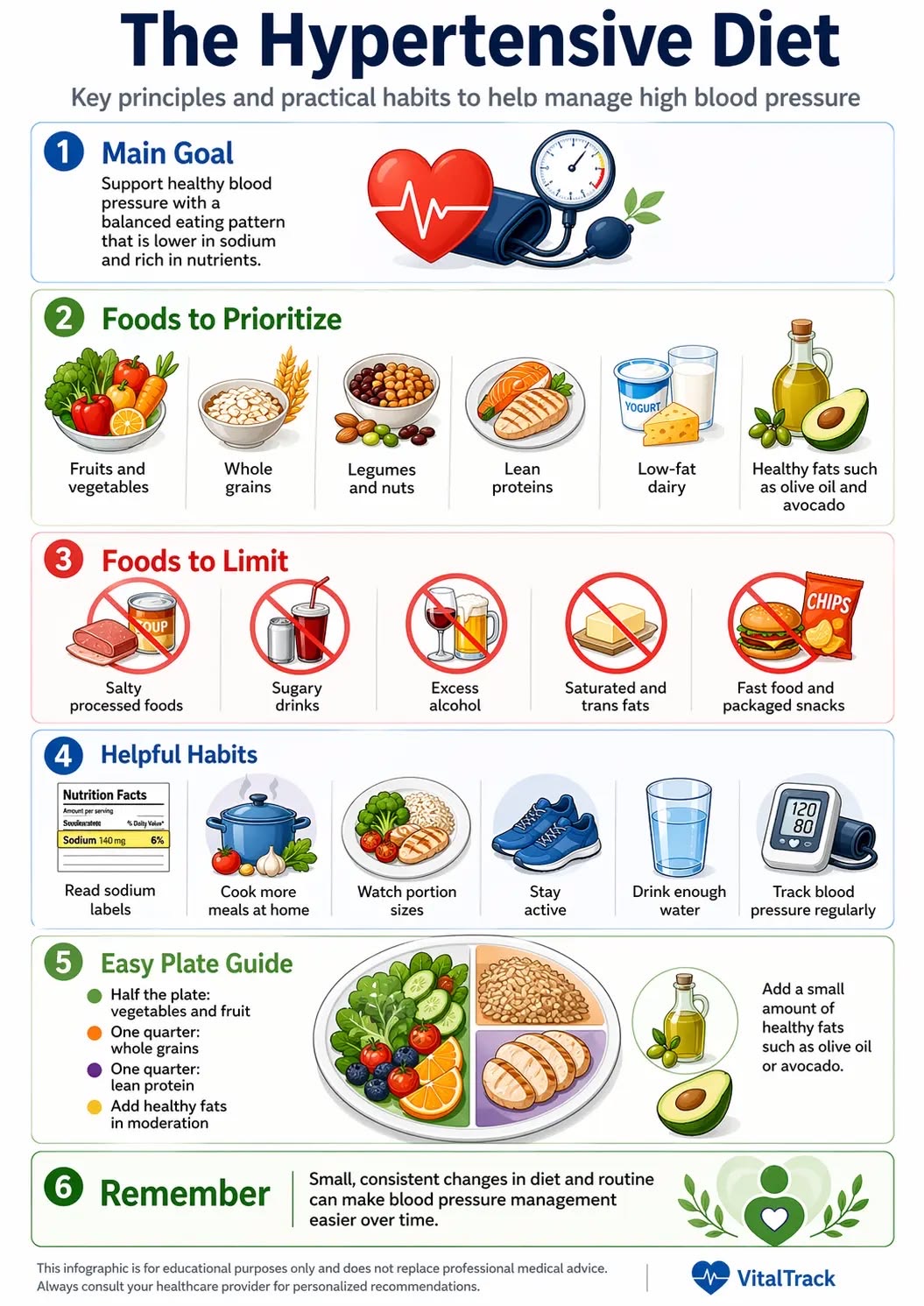
The good news is that hypertension is largely preventable through healthy lifestyle choices. Prevention focuses on reducing risk factors before they develop into a serious condition.
* Eat a balanced diet: Reduce salt intake and eat more fruits, vegetables, whole grains, and lean proteins.
* Stay physically active: Regular exercise such as walking, swimming, or cycling helps keep blood pressure in a healthy range.
* Maintain a healthy weight: Even small weight loss can significantly reduce blood pressure levels.
* Limit alcohol and avoid smoking: Both habits damage blood vessels and increase blood pressure.
* Manage stress: Chronic stress raises hormone levels that can elevate blood pressure. Relaxation techniques such as deep breathing or meditation can help.
* Get regular checkups: Blood pressure should be checked regularly, even if you feel healthy.
Treatment and Management
If diagnosed with hypertension, treatment focuses on controlling blood pressure to prevent complications. This often involves a combination of lifestyle changes and medication.
Doctors may prescribe medications such as diuretics, ACE inhibitors, or beta-blockers depending on the severity of the condition. However, medication alone is not enough—lifestyle changes are essential for long-term control.
Monitoring blood pressure at home, attending regular medical appointments, and following treatment plans strictly are key steps in managing the condition effectively.
Living with Hypertension
A diagnosis of hypertension is not a life sentence. With proper care, many people live long and healthy lives while keeping their blood pressure under control. The most important step is awareness. Knowing your numbers and understanding your risk can make all the difference.
Hypertension often develops quietly, but its consequences can be loud and devastating. Taking proactive steps today—through healthier habits and regular monitoring—can protect your heart, brain, kidneys, and overall well-being for years to come.
Your health is not something to leave to chance. Listen to your body, take control early, and make every heartbeat count.
About the Creator
Millicent Chisom
Hi there! I'm Millicent Chisom, a medical student with a deep love for all things health, wellness, and of course—desserts! When I’m not immersed in medical textbooks or studying for exams,
Enjoyed the story? Support the Creator.
Subscribe for free to receive all their stories in your feed.
Comments
There are no comments for this story
Be the first to respond and start the conversation.