
7 Science-Backed Weight Loss Tips That Actually Work
Discover evidence-based strategies to lose weight safely, improve your health, and build sustainable habits without relying on fad diets or quick fixes.
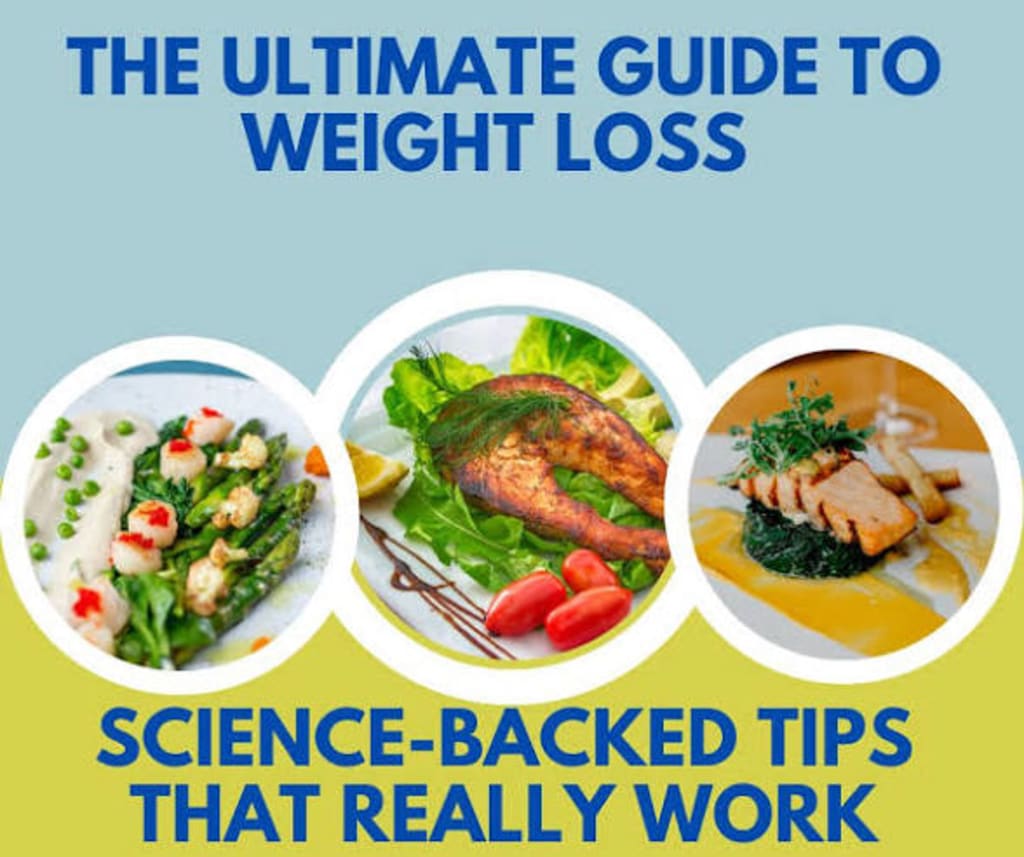
Losing weight is one of the most common health goals worldwide. Every year, millions of people promise themselves that they will eat healthier, exercise more, and finally achieve their ideal weight. Yet despite their best intentions, many people struggle to see lasting results. The reason isn't usually a lack of effort—it's that they follow unrealistic diets, rely on quick fixes, or expect dramatic changes overnight.
The good news is that sustainable weight loss doesn't require starving yourself, cutting out entire food groups, or spending hours in the gym. Scientific research consistently shows that small, healthy habits practiced every day are far more effective than extreme diets that are impossible to maintain.
If you're looking for a healthier approach to losing weight, these seven science-backed strategies can help you build habits that support long-term success.
1. Prioritize Protein at Every Meal
Protein is one of the most important nutrients for weight management. It helps keep you feeling full for longer, reducing the likelihood of overeating or snacking on unhealthy foods between meals. Your body also burns slightly more calories digesting protein compared to fats and carbohydrates, making it beneficial for metabolism.
In addition, protein helps preserve muscle mass while you're losing body fat. This is important because maintaining muscle supports a healthy metabolism.
Excellent sources of protein include eggs, chicken breast, fish, lean beef, Greek yogurt, beans, lentils, tofu, and cottage cheese. Try to include a serving of protein with breakfast, lunch, and dinner to stay satisfied throughout the day.
2. Drink More Water Throughout the Day
Water is often overlooked, but it plays an important role in overall health and weight management. Sometimes the body mistakes thirst for hunger, causing people to eat when they actually need fluids.
Drinking a glass of water before meals may help reduce calorie intake because it promotes fullness. Staying hydrated also supports digestion, circulation, and physical performance.
Aim for at least six to eight glasses of water daily, although your needs may increase depending on your activity level and climate. If plain water feels boring, try adding slices of lemon, cucumber, or fresh mint for natural flavor.
3. Fill Half Your Plate with Vegetables
Vegetables are rich in vitamins, minerals, antioxidants, and fiber while being naturally low in calories. Because they contain plenty of water and fiber, they help you feel satisfied without consuming excessive calories.
Colorful vegetables such as broccoli, spinach, carrots, tomatoes, peppers, cabbage, cucumbers, and cauliflower provide different nutrients that support overall health.
Making vegetables half of every meal is one of the easiest ways to improve nutrition and naturally reduce calorie intake without feeling deprived.
4. Cut Back on Added Sugar
Many processed foods and drinks contain hidden sugars that contribute to weight gain. Soft drinks, sweetened coffee beverages, flavored yogurts, candies, pastries, and desserts can quickly add hundreds of unnecessary calories.
Instead of eliminating all treats, focus on reducing your intake gradually. Replace sugary beverages with water, sparkling water, or unsweetened tea. Choose fresh fruit when you want something sweet, and learn to read food labels to identify added sugars.
Small reductions in sugar consumption can make a significant difference over time.
5. Exercise Regularly
Physical activity offers numerous benefits beyond burning calories. Regular exercise strengthens the heart, improves mood, increases energy, and helps maintain muscle while losing fat.
The best exercise is the one you enjoy enough to do consistently. Walking, jogging, swimming, cycling, dancing, strength training, and home workouts are all excellent choices.
Health experts generally recommend at least 150 minutes of moderate physical activity each week. Even a 30-minute brisk walk five days a week can improve your overall health and support weight loss.
Remember that daily movement matters too. Taking the stairs, walking during phone calls, or parking farther away all contribute to increased activity.
6. Get Enough Sleep and Manage Stress
Many people underestimate how much sleep affects body weight. Poor sleep can disrupt hormones that regulate hunger, making you crave high-calorie foods while reducing your energy to exercise.
Adults should aim for seven to nine hours of quality sleep every night. Creating a consistent bedtime routine, limiting screen time before bed, and keeping your bedroom cool and quiet can improve sleep quality.
Stress is another factor that influences eating habits. When stressed, some people turn to comfort foods high in sugar and fat. Healthy stress-management techniques such as meditation, deep breathing, journaling, prayer, or spending time outdoors can reduce emotional eating.
7. Focus on Consistency Instead of Perfection
Perhaps the biggest mistake people make is expecting perfection. One unhealthy meal or missed workout doesn't ruin your progress. What matters most is your overall pattern of healthy choices over weeks and months.
Healthy weight loss is gradual. Losing about 0.5 to 1 kilogram (1 to 2 pounds) per week is considered safe and sustainable for most adults.
Celebrate small victories along the way. Drinking more water, preparing healthy meals, walking every day, or choosing fruit instead of sweets are all positive steps that build lasting habits.
Instead of asking, "How can I lose weight quickly?" ask yourself, "What healthy habits can I maintain for the rest of my life?" That shift in mindset often leads to greater success.
Common Weight Loss Mistakes to Avoid
Many people unknowingly sabotage their progress by making common mistakes.
Skipping meals can slow metabolism and increase hunger later in the day. Following extremely restrictive diets often leads to frustration and binge eating. Drinking sugary beverages while eating healthy meals can also add hidden calories.
Another common mistake is relying entirely on the scale. Weight naturally fluctuates because of water retention, hormones, and other factors. Instead of focusing only on the number, pay attention to how your clothes fit, your energy levels, and improvements in your health.
There is no magic solution for weight loss. Lasting results come from healthy eating, regular exercise, adequate sleep, proper hydration, and patience.
Rather than searching for the newest diet trend, focus on creating small habits you can maintain every day. Over time, those habits become your lifestyle, leading to better health, greater confidence, and sustainable weight management.
Remember that every journey is different. Progress may be slow at times, but consistency will always outperform perfection. Start with one healthy change today, build on it tomorrow, and allow your long-term habits—not temporary motivation—to shape your success.
Disclaimer: This article is intended for educational purposes only and should not replace professional medical advice. Always consult a qualified healthcare professional before making significant changes to your diet or exercise routine, especially if you have existing medical conditions or take prescription medications.
About the Creator
Millicent Chisom
Hi there! I'm Millicent Chisom, a medical student with a deep love for all things health, wellness, and of course—desserts! When I’m not immersed in medical textbooks or studying for exams,
Enjoyed the story? Support the Creator.
Subscribe for free to receive all their stories in your feed.
Comments
There are no comments for this story
Be the first to respond and start the conversation.