
3 Main Hurdles to Positive Ageing
Why we fear ageing and what we can do about it
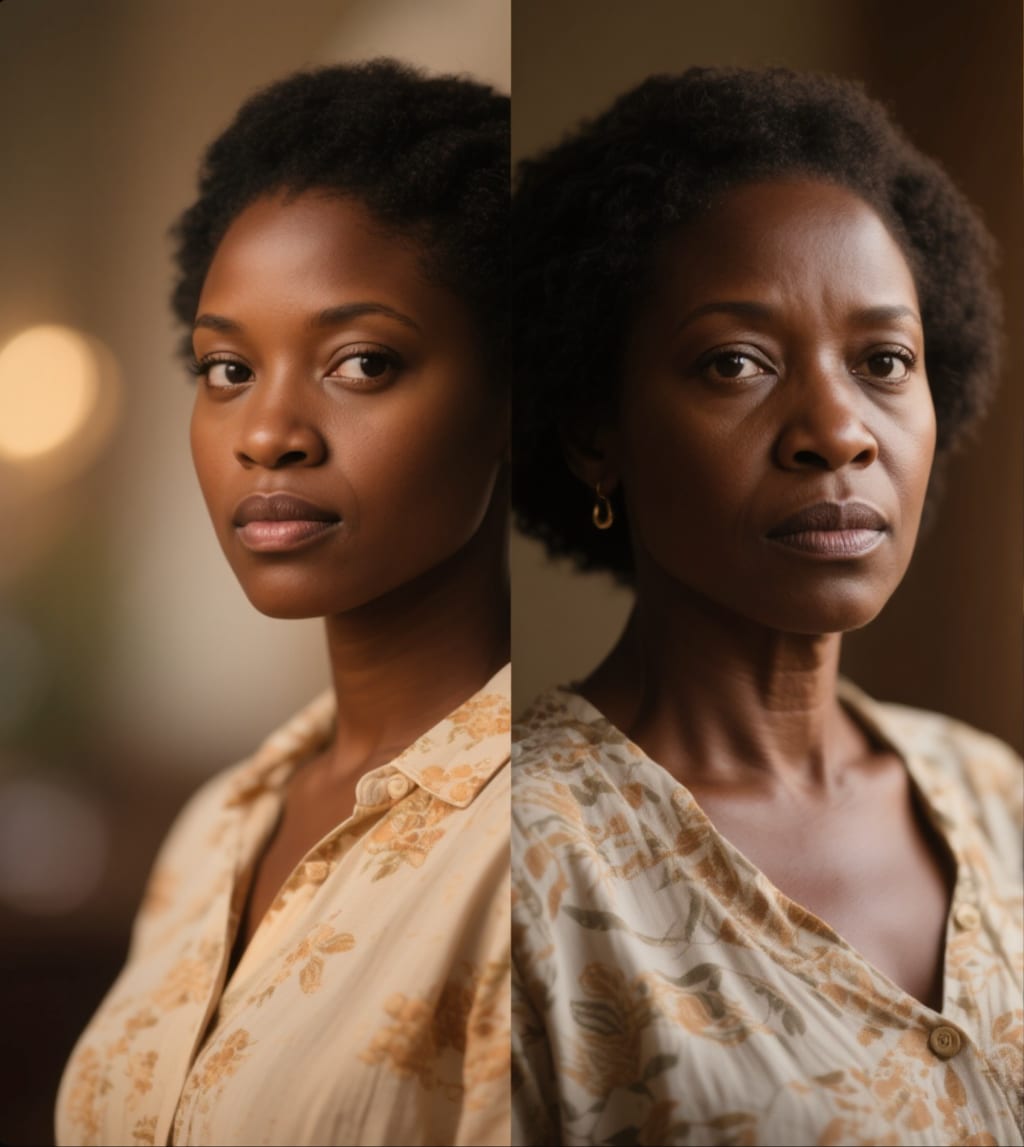
Ageing is one of those life states that many people constantly complain or worry about, yet are reluctant to even discuss it for their own peace of mind. Fear and negativity seem to be the overriding forces in blocking their knowledge of the aging process. Maintained by an age bias in society, and a negative media, their fear gradually increases as they reach 40 years old and beyond.
In fact, in the UK, at least 46% of people fear aging, with the biggest percentage being in their 20s, believe it or not! But one can understand their fears because, for decades, we’ve been told that ageing is a process of “winding down” - a slow retreat from the activities and passions that define us. But what if the greatest obstacles to a vibrant life after 50 aren’t inevitable parts of our biology, but actual hurdles we can clear with the right mindset and approach?
The number of times I have personally heard some young person regretting another birthday, instead of being thankful for it, is so very sad. It seems we fear getting older because it is usually perceived to be associated with specific illnesses, and chronic ill health, rather than anything vibrant, energetic, or sexy. We also see some people who have not aged well, and tend to assume we will age exactly like that, too, disregarding our own uniqueness and individuality.
But there is no single blueprint for ageing. To thrive in our later years, we must move beyond simply “getting by” and instead pursue positive ageing. This isn’t about denying our age; it’s about optimising our physical, mental, and social wellbeing to ensure our longest life is also our best life - actually living instead of just existing. By identifying and overcoming the three primary hurdles - society’s ageism, the fear of physical decline, and social isolation - we can enjoy a level of vitality that we might not have thought possible.
It is important to bear in mind that getting older might be an inevitable part of our existence, but we each age in our own distinctive way, according to our genes, mindset, and lifestyle. We have to age, just as we have to die. So the only way to treat those two stages of our existence is to accept them as willingly as we do life itself, because all three come as a package when we’re born. If we constantly remind ourselves of that fact, and determine to live each day to the fullest, life will be more meaningful and enjoyable. At least we won’t spend it watching the life clock, and worrying or stressing about something we cannot change.
Nevertheless, though ageing is inevitable we actually have some influence over how we age because ageing begins in the mind, and the body follows our thoughts. Quite simply, we age how we think. It means that people with fearful, victim-like or negative thought processes, who write themselves off at certain ages, or who fear the actual ageing process, are going to age differently, and perhaps more rapidly, than those who feel strong, confident, assured and want to make the most of those years. It is also important to be aware of the effects of society’s perception of ageing on our own thought processes.
From birth, we are brainwashed into accepting the desirability of youth over age through its continual focus on the young, especially by the fashion, media and entertainment industries, and we accept it willingly, instead of asserting our presence. Women also worry about aging skin, and being unattractive and incapacitated by their age, while most men are concerned about retirement and losing their status, responsibilities and friends.
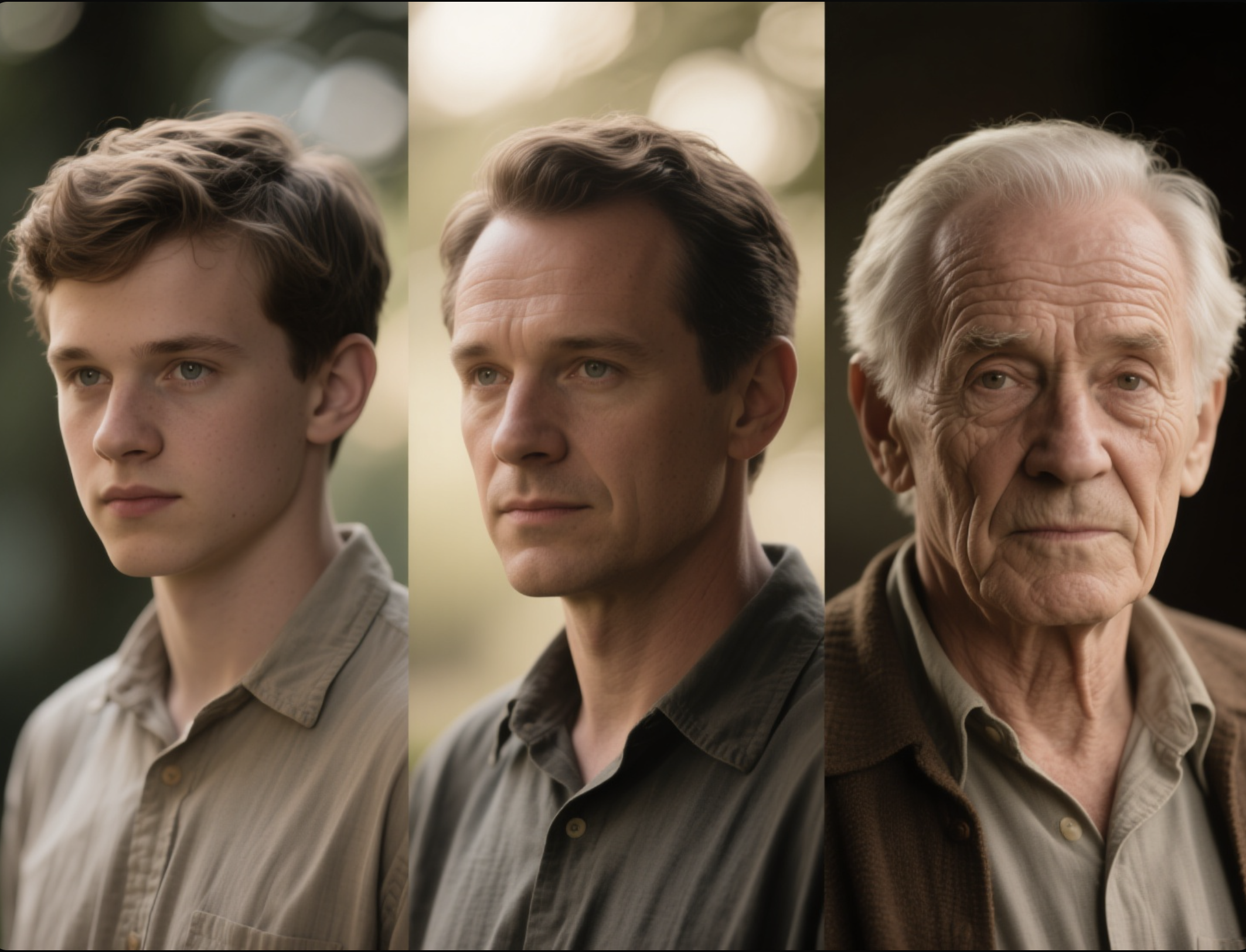
Most important, we worry about being excluded, unwanted and insignificant as we age because of the social exclusion of older people. Thus instead of welcoming being older as an inevitable phase of life, where we can set the rules to please ourselves, we dread it and fear it instead, which affect the quality of that life in a negative way.
Yet we can either age in a resentful manner that gives our bodies very little support in staying youthful, healthy, and strong, or we can age in a positive, confident, aspirational way that makes us feel alive, enhances our well being, and helps us to actually enjoy the process. For that reason, it is useful to know the three main factors that actually hinders positive ageing so that we can guard against their negative influences as we advance.
How Society Influences Our Attitude to Ageing
The first and most pervasive influence is the brainwashing people have from society and the media around the ageing process. As soon as we are born, we learn about the negative things we can expect from being older because of society’s fear of the process. Everything is supposed to get worse, droop south, or fall off. There is nothing positive associated with ageing.
With the days of older people being revered for their wisdom being long gone, everyone is directly, and indirectly, taught to fret because of its connection with physical degeneration, compulsory retirement, ill health, and emotional exclusion from the wider society. Older people getting on with their lives in enhancing ways are deliberately downplayed or ignored, except for the mention of extraordinary achievers.
Not surprisingly people come to dread getting older, and precipitate it in even more negative ways through their own fearful attitude. However I bet if we were told when we were born that we would live forever, we would have an entirely different mindset about ageing!
Second, we age through our thoughts first, and our bodies follow. We cannot get a positive life from negative thinking and action. We need to get rid of the gloomy labels and that ‘old’ mindset and think in youthful terms. For example, a guy I knew some time ago kept saying, “You can’t teach an old dog like me new tricks”. Not only did he look much older than his age, but he acted it, too. Whatever he kept saying to himself was becoming a self-fulfilling prophecy, because he certainly had a closed mind to new things, being stuck in the past as he was.
If you see yourself as old and useless, your body will happily oblige, because we act exactly as we think. Thoughts control actions so we cannot do otherwise. That is why some older people are extremely active and agile, despite their age. They refuse to conform to society’s limiting age boxes, and live their lives exactly as they choose, according to their attitude and ability.
Many illnesses we have are also induced by the mind. It is likely that, a long time back, we started fearing getting older, telling ourselves that, by a certain age, some painful things will start happening. We focus on them constantly, dreading them daily, instead of on the positive things we might enjoy and the great health we still have. Sadly a few years later, they all fall into place exactly as expected. By that time we would have forgotten that we brought them into being by our continuous fearful focus upon them.
The powerful mind is what determines the quality of our life, because it also determines our approach to that life, and our actions within it.

Making The Best Use of Our Brain
Third, we age badly through insufficient use of our brain and other faculties. We might age physically, according to our natural chronological years, but our thoughts, expectations, and activities determine how rapidly we age in every other respect. Too many people, especially when they retire, stop using their brains, memories and problem-solving facilities. They stop dreaming dancing, and aspiring, often living completely sedentary, inactive and lonely lives. Naturally, the quality of their life would deteriorate much quicker.
If we don’t use it, we lose it, as the saying goes, and the biggest cause of both mental and physical aging is the way we choose to live as we advance in years. Age certainly provides a marker and a direction for our lives, but it isn’t the exact route. We have many choices about our route, so try not to live according to the fears, or limitations, of others. Let your own positive beliefs and expectations guide your life, because how you think also influences your approach to life as well as the perception of others, who will treat you accordingly.
Think about it for a minute: we have this incredible developing world of amazing technology and are living much longer now (the average mortality rate is currently 83 in the UK), yet we’re still back there in the past trying to use old fearful mindsets around aging to cope with the new innovations. Unless we move into the 21st century, too, especially in our thinking about age and how we treat it, we will be missing out on an awful lot of talent and resources, while living needlessly fearful, sorrowful and empty lives.
The renowned Colombian writer, and Nobel Prize winner, Gabriel Garcia Marquez, who lived to be 87, once said: “It’s not true that people stop pursuing dreams because they grow old. They grow old because they stop pursuing dreams.”
If you are 40 years of age now, you’re likely to live to 85, or well beyond it. Ask yourself this question today: “What am I going to do with the next 45 years of my life? Sit and worry about them, or live them to the max?”
Your answer will depend on whether you see yourself as 40 years young, or 40 years old at present - a choice of simple words that could actually decide the quality of your future.
• Like this post? Show your appreciation with a SUBSCRIPTION and even a TIP. Thanks for your support! •
SubscribeAbout the Creator
Elaine Sihera
British Life Coach & Consultant. Founder of LOVE & LIFE: The Growth Guide, for insights into managing challenging life issues. Author of books on Confidence, Relationships & Wellbeing. Graduate/Doctor of Open Univ; Postgrad Cambridge Univ.
Enjoyed the story? Support the Creator.
Subscribe for free to receive all their stories in your feed.
Comments
There are no comments for this story
Be the first to respond and start the conversation.