The Imperial Japanese Navy, the navy of the former Japanese Empire, built a variety of warships, such as cruisers, destroyers, aircraft carriers, and battleships. Most of these ships would be sent into battles with the world's largest navies during the 1940s after the Pearl Harbor airstrike. These were a few of the most famous IJN ships.
By Matthew A2 months ago in History
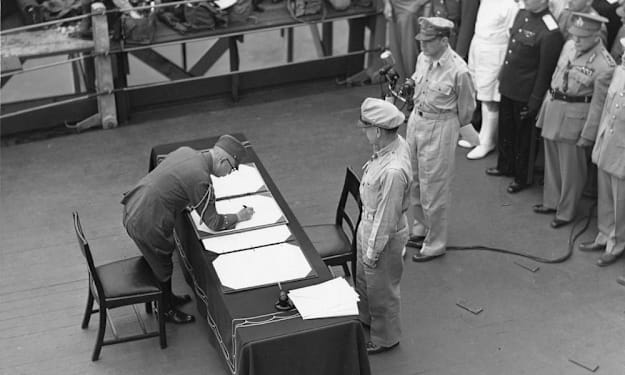
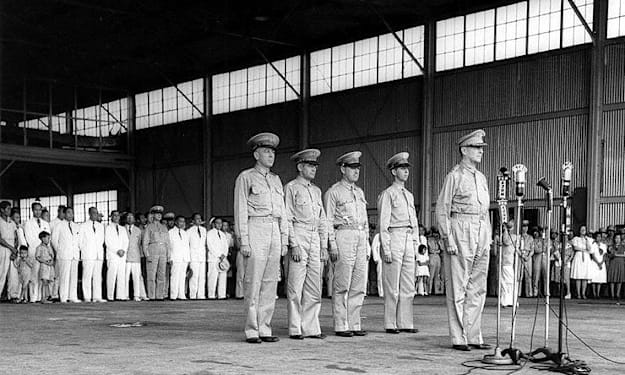
World War II in the Pacific ended in September 1945, after the conflict in Europe. It marked the full end of the war. The war in the Pacific lasted from 1941, a period in which the USA and its allies gained increasing military superiority in the Far East after recovering from numerous defeats during the first 12 months of the conflict. Ending the war was never easy.
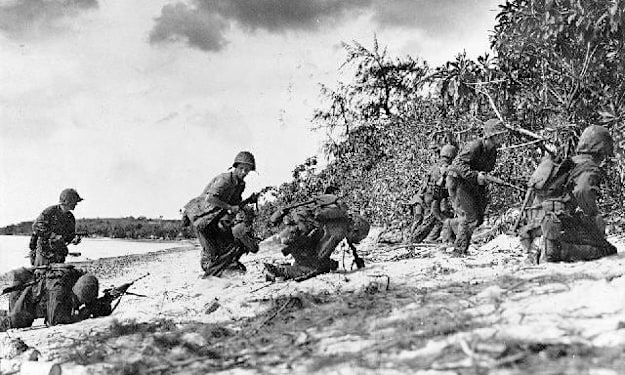
The Mariana and Palau Island campaign, otherwise known as Operation Forager, was an Allied advance in the Pacific War. They landed Marines to capture airfields in the Marianas and secure their flank in Palau. Operation Forager began the campaign around the Marianas, and it was there that the opening battles emerged.
AI disclosure: This story was written with the assistance of Claude (Anthropic), an AI writing tool. I started building the family tree during a boring January, the way a lot of amateur genealogists start — bored, mildly curious, with a free trial of a records site and too much time on my hands.
By Seb Jaa2 months ago in History
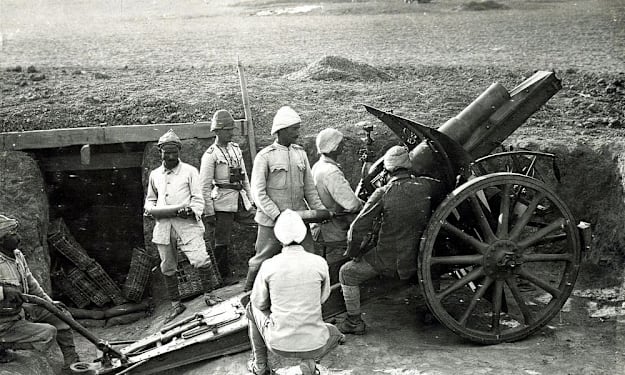
When the Ottoman Empire allied with Germany in 1914, they opened an entirely new front beyond Europe in the East. Whilst the Ottoman Empire had a relatively small army compared to its German allies, it still held considerable territory around the Arabian Peninsula. They had armies stationed in the proximity of key Entente oil pipelines. They also held the Dardanelles Strait that provided entry into the Black Sea. As such, their army fought the British and French on various fronts. These were a few of Turkey's victories and defeats during the period.
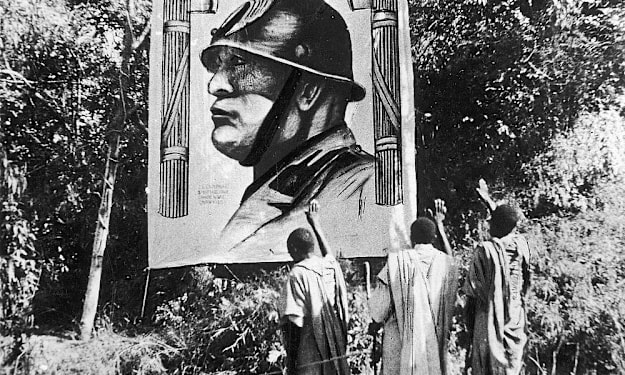
In the post-war era, Italy expected additional territory, having joined the Entente during the conflict. However, they did not receive what they were hoping for. In addition, economic circumstances in Italy also left democracy out of favor. Consequently, coalitions came and went with some regularity.
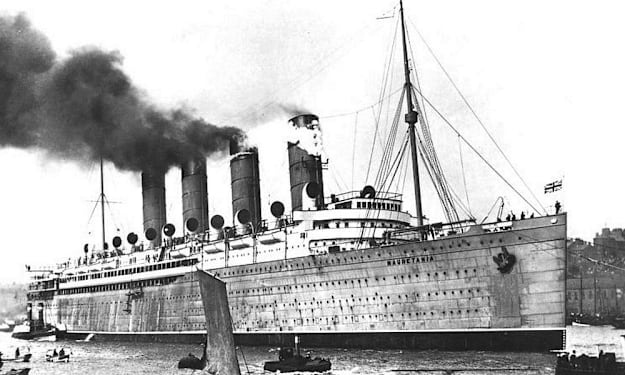
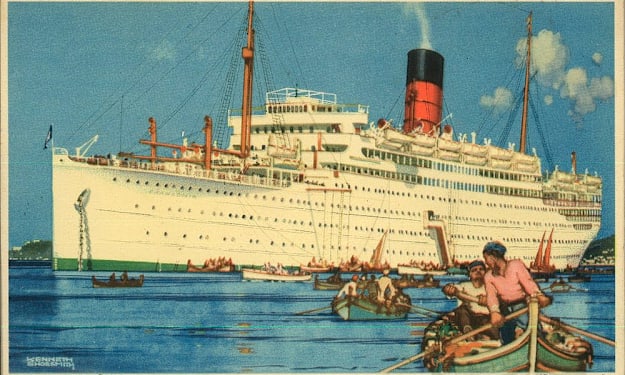
In the early 20th century, White Star Line and the Cunard Line designed and launched numerous ocean liners. However, in the latter half of the 20th century, ocean liners began to decline as passenger aircraft took off. Despite this, some great ocean liners were still constructed after the 1950s. These are a few of the great ocean liners.
The Allied oil embargo in the early 1940s left the Japanese Empire short of fuel. There were substantial oil supplies in the Dutch East Indies, and Japan needed to capture the U.S. Philippines to secure supply lines. For the Japanese military, these became the primary targets soon after Pearl Harbor. With the U.S. Pacific Fleet heavily damaged, the path was clear for Japanese troops to land in the Philippines.
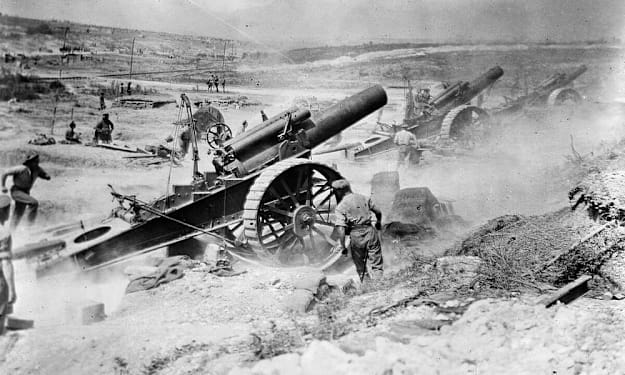
World War One was supposedly the first global war, and it had a variety of fronts in Europe and beyond. However, the war was mainly in Europe, and it was there that the most essential fronts were. These were the primary fronts of the war.
White Star Line was a British shipping company established during the 19th century. However, despite heavy investment in new ships, White Star Line was bankrupt by 1867. Only Mr. Ismay saved White Star. Ismay established a partnership with Harland and Wolff, which ensured the future of the company.
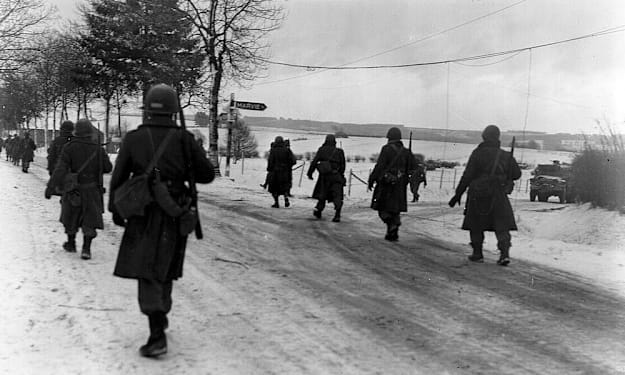
The Battle of the Bulge in late 1944 was the largest battle in Western Europe between US and German troops. By 1944, the German army had been pushed back in both western and eastern Europe. This was Germany's final, and somewhat unexpected, advance of the war, a final attempt to defeat the Western Allies.
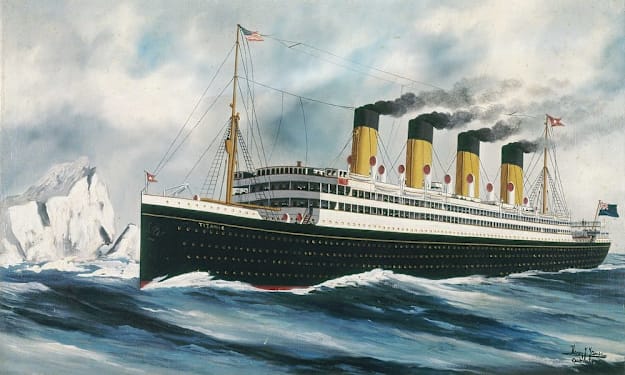
Boats can come in various shapes and sizes, but it is those larger boats that are among the most famous of the 20th century. Both military and civilian ships are among the most famous boats of the 20th century. These are a few of the most famous ships of the 20th century, all of which coincidentally sank.