
Mussolini and Fascist Italy
Remembering the Fascist Italy Era
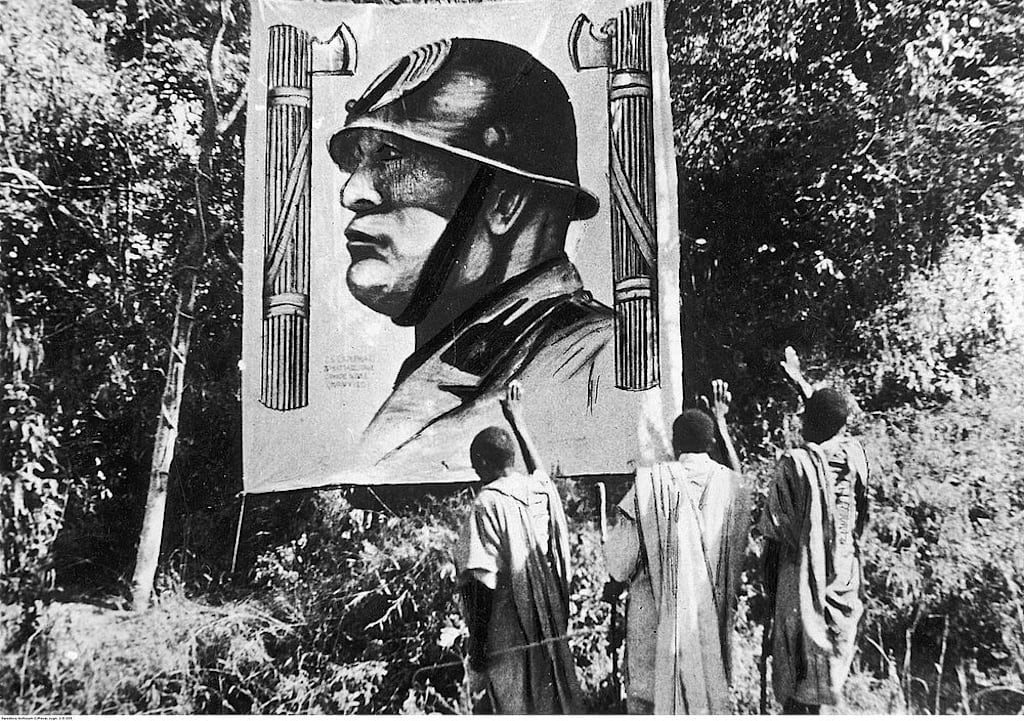
In the post-war era, Italy expected additional territory, having joined the Entente during the conflict. However, they did not receive what they were hoping for. In addition, economic circumstances in Italy also left democracy out of favor. Consequently, coalitions came and went with some regularity.
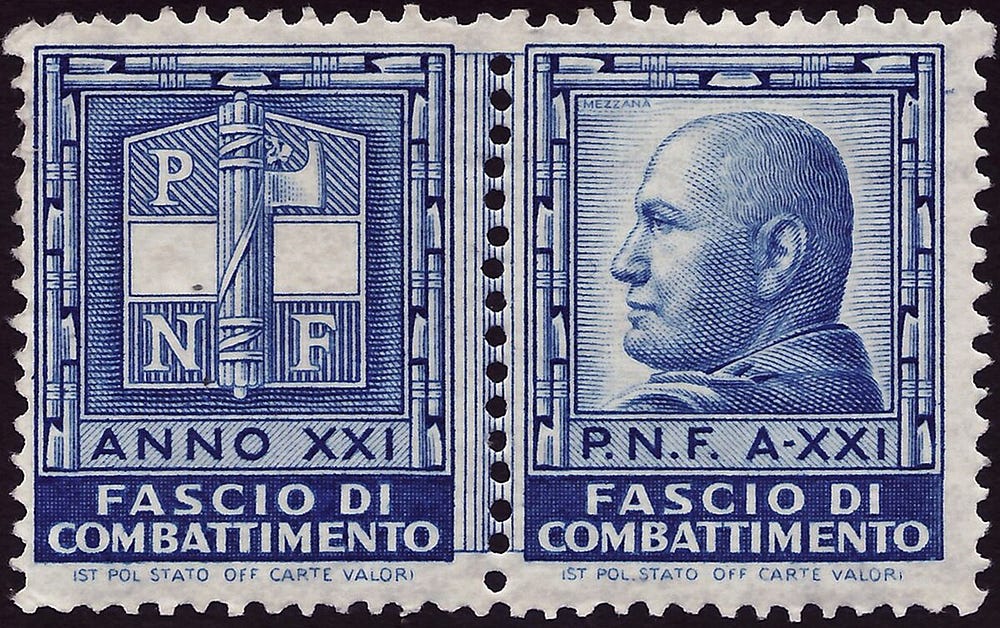
Therefore, some notable alternatives emerged. The first was the left wing, with the communist revolutionaries and socialists gaining support. The other alternative came from an ex-socialist, Mussolini, who helped establish the National Fascist Party in Italy.
The National Fascist Party did not originally have an entirely clear manifesto. However, soon, it became clear that they were strictly in opposition to the left wing, particularly the communists, and Italian democracy, but were pro-monarchy and had an ambitious foreign policy based on colonies.
By 1922, the left wing was becoming more militant, while the fascists had gained support in the Italian elections. To this end, Mussolini and the NFP marched on Rome and gained the support of the king of Italy so that they could join a coalition. As such, Mussolini emerged as prime minister.
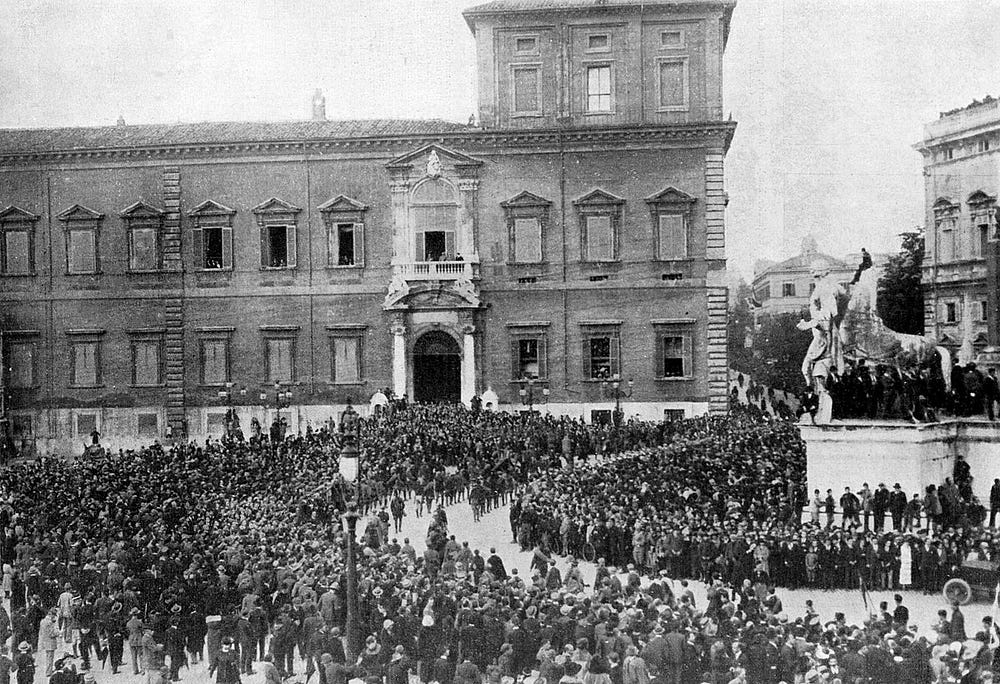
He would remain in power as the Italian National Fascist Party began to dismantle democracy. By 1929, Mussolini disbanded opposition groups, and Italy became a one-party state. The National Fascist Party was the only party in fascist Italy.
During the 1930s, the fascists began a few economic policies during the period. Among the economic policies pursued were the establishment of superhighways, or autobahns. Italy was among the first countries to have these.
Generally, the fascists' economic policies were geared towards reducing imports, and to this end, Italy expanded Italian agriculture. The Battle for Grain was one such policy that utilized tariffs on imports. By doing so, it would be required for Italy to produce more grain. Indeed, cereal production doubled during the period, and wheat imports were cut. However, the policy ignored dairy farming, and bread prices became inflated.
In the 1930s, Mussolini became preoccupied with foreign affairs. He promised the Italians an African empire, which brought Italy into conflict with the League of Nations over Corfu. The fascists merged Corfu and Italian Somaliland.
Italy went to war with Ethiopia in 1935. In response, the League of Nations applied sanctions to Italy. Victory was won in 1936, and Ethiopia became a part of the new Italian Empire.
Mussolini also supported Franco in the Spanish Civil War. He provided Franco with armaments, munitions, and troops. Franco defeated the Republicans and emerged victorious in Spain.
Such foreign policy successes did not go unnoticed by Germany, as Italy and Germany would also become allies. This happened after the German union with Austria, which Mussolini was not about to attempt to prevent. As such, Italy and Germany agreed to the Pact of Steel by 1939.
Overall, Mussolini's foreign policy had expanded the Italian Empire somewhat. However, Mussolini had greater ambitions. Such ambitions included a Mediterranean empire with colonies in the Balkans and North Africa. Such ambitions brought them into conflict with Britain and France, which by 1939 were already at war with Germany.
By 1941, Mussolini and Italy joined the war with a chance to expand its empire. However, this declaration of war against Britain was the beginning of the end of fascism in Italy. The war began to turn against them as Italian troops were routed by Britain in Libya and also defeated by Greece.
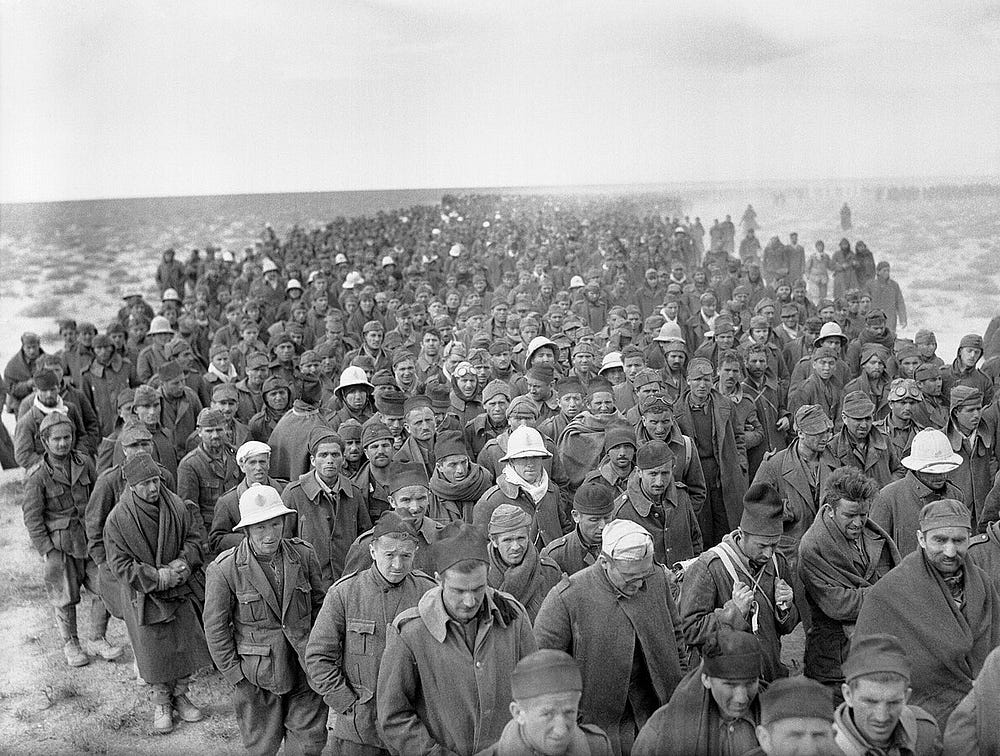
German assistance prolonged the North African war as the Afrika Korps were established, but defeat followed in 1943. As the Allies landed in Italy, Mussolini's fascist regime crumbled when the king removed Mussolini as prime minister. Only the German army could keep a puppet regime in place in northern Italy up until the end of the war.
The Italian fascist regime that lasted two decades crumbled in the space of a couple of years. The war highlighted the weaknesses of the Italian military, and Mussolini's foreign policy for a Mediterranean empire was wholly unrealistic. Only with the German army's full support could the Italians have a chance. The Italians became a liability to the Axis as World War II continued.
This article of mine was previously submitted to Medium, where you can read it here.
About the Creator
Matthew A
Matthew is the author of Battles of the Pacific War 1941-1945. Battles of the Pacific War is available on Amazon and Lulu in e-book and paperback formats. Check out the book’s blog at battlesofthepacificwar.blogspot.co.uk.
Enjoyed the story? Support the Creator.
Subscribe for free to receive all their stories in your feed.
Comments
There are no comments for this story
Be the first to respond and start the conversation.