
Three Famous Ships of the Imperial Japanese Navy
Remembering the Most Famous Imperial Japanese Navy Ships
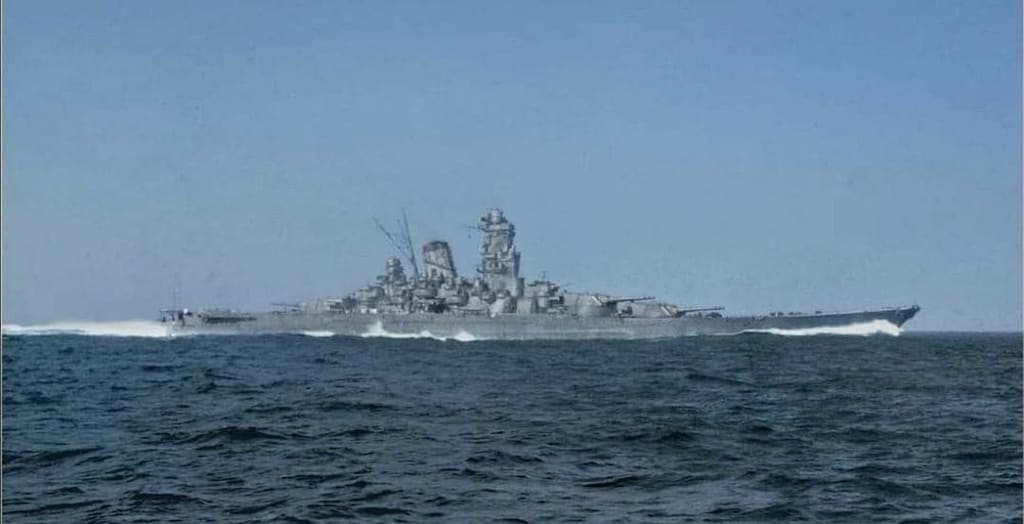
The Imperial Japanese Navy, the navy of the former Japanese Empire, built a variety of warships, such as cruisers, destroyers, aircraft carriers, and battleships. Most of these ships would be sent into battles with the world's largest navies during the 1940s after the Pearl Harbor airstrike. These were a few of the most famous IJN ships.
Zuikaku
The Zuikaku was a Japanese aircraft carrier that was added to the IJN in 1941. When it joined, it was a part of the Japanese Pearl Harbor carrier fleet that decimated the harbor. The Zuikaku was later deployed for the Battle of the Coral Sea; it missed the Midway naval battle because repairs were needed. This was perhaps fortunate, as all the Japanese carriers present were wiped out by U.S. aircraft.
In 1944, the IJN sent another fleet of aircraft carriers to the Marianas, which included the Zuikaku. This fleet of carriers was intercepted by Task Force 58, which wiped out most of the Japanese carrier planes, as well as those located on nearby airfields. U.S. submarines also discovered the Japanese fleet and took out a couple of Japanese aircraft carriers with their torpedoes. However, the Zuikaku returned to Japanese harbors, one of the few remaining Japanese fleet carriers.
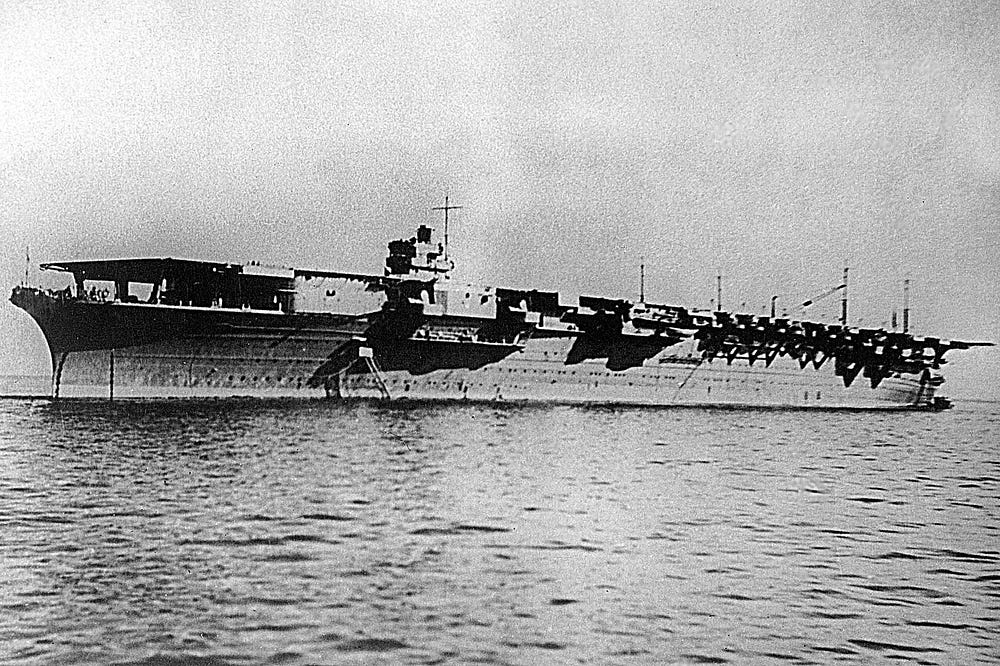
With Marines landing at Leyte, Philippines, the IJN sent most of its remaining ships to defeat the U.S. landings. With little remaining aircraft for their carriers, the Zuikaku and others were sent as decoys to ensure their battleships could reach the target. During the naval encounter, the U.S. Third Fleet headed northward toward the carrier fleet, which ensured that the Center Force made it to the coast of Samar. However, with little air cover, the Zuikaku was taken out by the U.S. Third Fleet.
Yamato
The Yamato was one of two Yamato-class battleships that were added to the Japanese fleet. This was one of the largest Japanese battleships ever built, along with the Musashi, which eclipsed 70,000 tons. Its large armor-piercing shells and turrets could destroy any Allied surface ship at sea.
Despite its notable scale, the Yamato had little impact in the Pacific War. It sat out most naval battles until 1944, but without suitable aircraft carrier cover, its fleet was dispatched for the Battle of Leyte Gulf to take out the U.S. invasion fleet. During this battle, that fleet reached the coast of Samar, where it intercepted light U.S. aircraft carriers and destroyers. Here, the Yamato and its escorting fleet took out one of the carriers present before making a withdrawal.
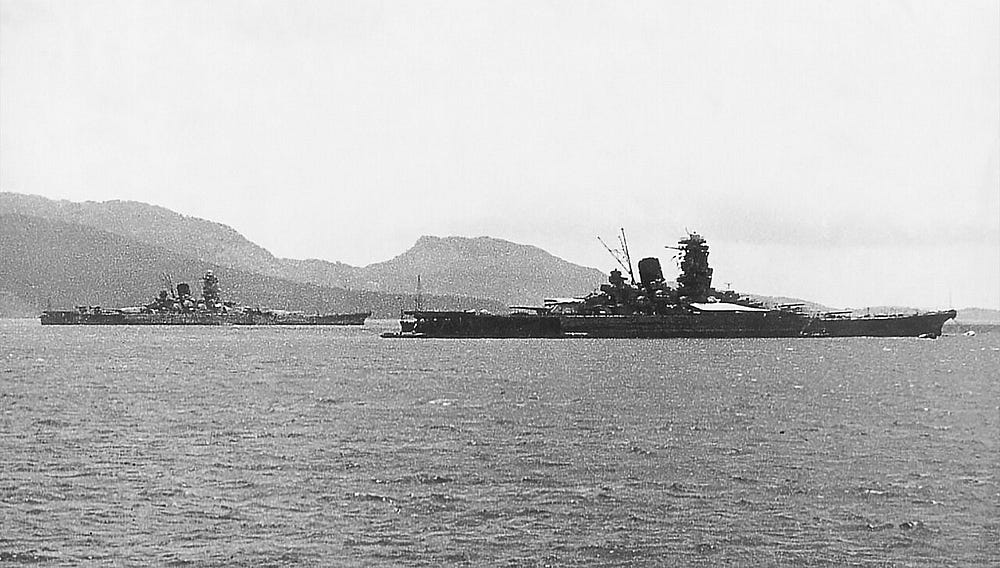
In 1945, U.S. Marines were storming Japanese home islands such as Iwo Jima and Okinawa. When Okinawa was invaded, the Yamato was sent there to provide further support for Japanese troops. The plan was for the Yamato to beach itself on the coast of Okinawa, where it could then become a coastal fortress. But without any air cover, the Yamato could not make it and was intercepted and wiped out by U.S. carriers.
The other Yamato-class battleship was the Musashi, a flagship of the IJN. It was with this battleship, alongside the Yamato and aircraft carriers, that the IJN expected to defeat the U.S. Pacific Fleet. But as they would later find, the largest battleships were not enough as Allied aircraft began to dominate the air.
This became most apparent at the Battle of Leyte Gulf. The Musashi had remained largely in port, except for transportation missions such as to the Palau Islands. When the Allies were landing in the Philippines, it was one of the Japanese battleships included within their Center Force. However, the Musashi was a primary target when U.S. aircraft intercepted it. The aerial bombardment flooded the Musashi, which gradually slipped beneath the sea.
Mikasa
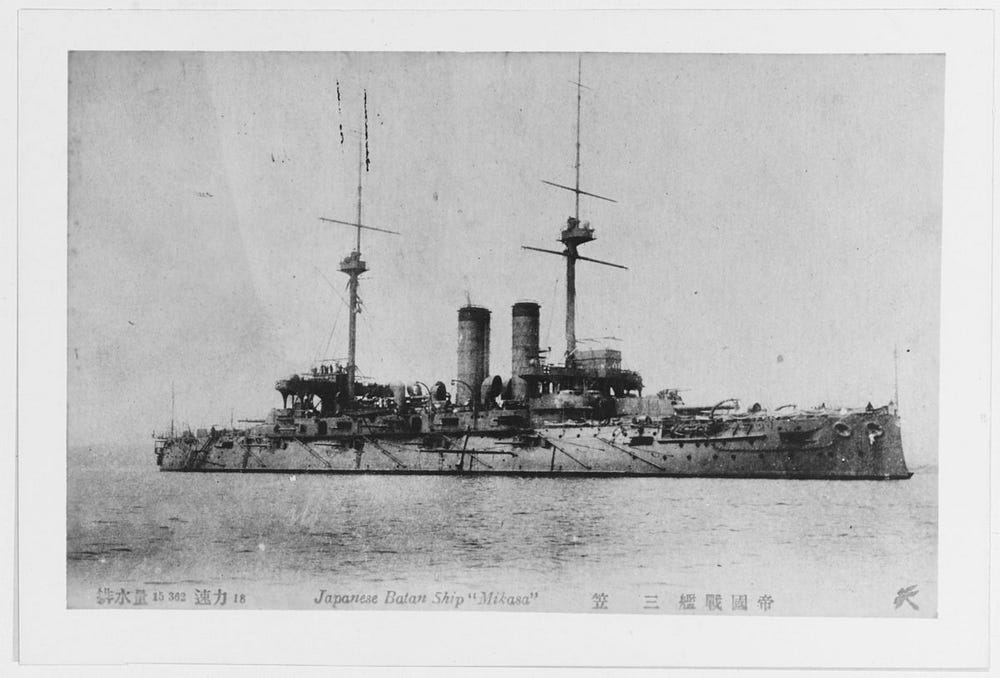
The Mikasa is the sole remaining IJN ship. This battleship was first added to the Japanese fleet in the early 20th century and was the IJN flagship during the Russo-Japanese War. It was one of the Japanese battleships that routed the Russian navy at the Battle of Tsushima Straits, which ensured victory for the Japanese Empire and the rise of the IJN as one of the world's foremost navies.
In the early 1920s, the IJN removed the Mikasa from service. However, remained intact as a museum ship. As such, today the Mikasa can be visited in Yokosuka and is the last remaining pre-dreadnought battleship.
These IJN ships are among the most famous in the world today. With these ships, the IJN could almost defeat any other navy. However, the combined Allied naval presence in the Pacific, which included American, British, Australian, and Dutch warships, gradually reduced the IJN's ships to scrap.
This article of mine was previously submitted to Medium, where you can read it here
About the Creator
Matthew A
Matthew is the author of Battles of the Pacific War 1941-1945. Battles of the Pacific War is available on Amazon and Lulu in e-book and paperback formats. Check out the book’s blog at battlesofthepacificwar.blogspot.co.uk.
Enjoyed the story? Support the Creator.
Subscribe for free to receive all their stories in your feed.
Comments
There are no comments for this story
Be the first to respond and start the conversation.