
Turkey's Victories and Defeats During World War I
Remembering the Triumphs and Defeats of the Ottoman Empire in WW1
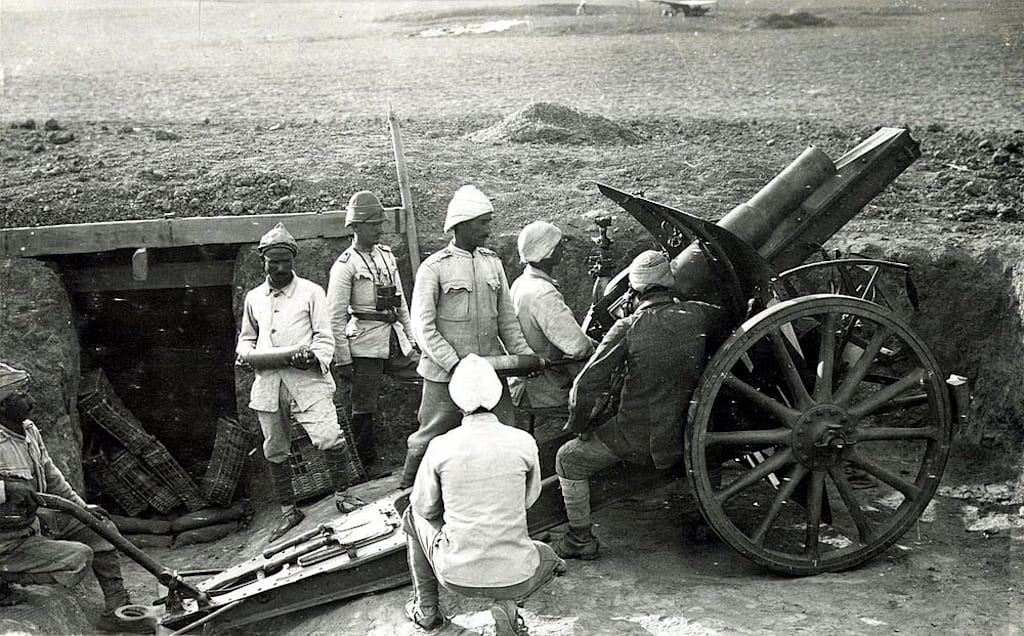
When the Ottoman Empire allied with Germany in 1914, they opened an entirely new front beyond Europe in the East. Whilst the Ottoman Empire had a relatively small army compared to its German allies, it still held considerable territory around the Arabian Peninsula. They had armies stationed in the proximity of key Entente oil pipelines. They also held the Dardanelles Strait that provided entry into the Black Sea. As such, their army fought the British and French on various fronts. These were a few of Turkey's victories and defeats during the period.
Gallipoli Campaign
The Gallipoli Campaign began in 1914. The British and French planned to seize the Dardanelles Strait with their navies to open up a supply route to the Russians, and leave the path clear for an advance towards the Turkish capital of Istanbul. Expecting an Entente (Britain and France) attack in the region, the Turks fortified the Dardanelles with thousands of troops, outdated heavy and medium guns, artillery pieces of various sizes, and minefields.
Entente warships moved into the region and bombarded the coastal shore batteries along the Straits with little impact. Turkish fortresses along the Straits remained largely intact. The Entente lost some warships as shells rained down from Turkish shore batteries.
The ineffective naval operations prompted the Entente to begin a land campaign in Gallipoli. They landed thousands of troops, including ANZAC divisions, along the coast. ANZAC troops were held up by Turkish reinforcements along the beaches. After making initial progress, landings at Sulva Bay were also halted. As the Entente landings did not make any effective breakthroughs, the troops were withdrawn.
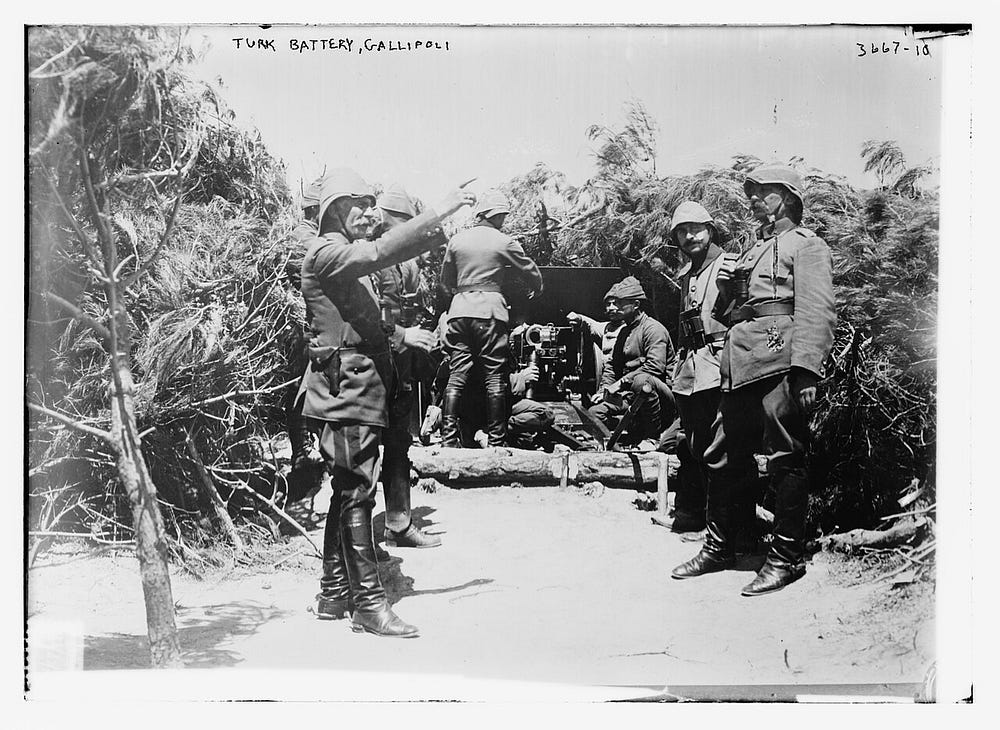
As Turkey held the Dardanelles, it was among their more notable victories in the war. They remained in the war and retained access to the Black Sea. However, the victory could not halt the collapse of the Ottoman Empire.
First Battle of Gaza
In 1917, British Empire forces were advancing. With hundreds of thousands of reinforcements arriving at British ports, such as Basra, they took Baghdad and pushed Turkish troops out of northeast Egypt. By seizing Gaza, they would open the Mediterranean to the Royal Navy.
The BEF approached Gaza from the north and south with infantry and mounted divisions. Whilst their infantry entered Gaza from the north, the reinforced Turkish defenders counter-attacked. With mounting losses, the BEF withdrew from the battle, and Turkey held Gaza, at least until the Third Battle of Gaza.
The Second Battle of Kut
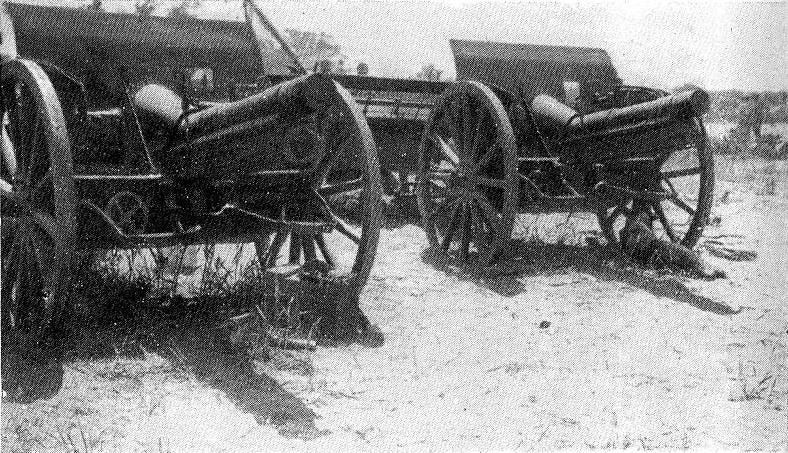
With the Entente's war in Mesopotamia gaining momentum in 1917, they advanced along the Tigris River. After resupplying and reinforcing their divisions, a new advance towards Kut began in earnest. Hundreds of thousands of British and Indian troops first took the town of Khadairi Bend.
Thereafter, they struck at both Turkish flanks in Kut. Outnumbered, the Turkish troops retreated from Kut. A flotilla of British naval gunboats wiped out a group of Turkish ships. After retreating from Kut, Turkey also lost Baghdad as the British maintained their advance.
Battle of Megiddo
The Battle of Megiddo in 1918 was the coup de grace for the Ottoman Empire. Their armies had lost many cities and regions before 1918, and a renewed British advance at Megiddo all but finished off the Turkish army in World War I. They approached Tel Megiddo with a significantly larger number of troops, reinforced by the Arabs, and had greater air and artillery support.
With their mobile forces, the British encircled the Turkish troops and cut off their lines of retreat. The Turkish armies were quickly wiped out during the Battle of Megiddo. It was a resounding defeat that all but broke the Turkish front as the British cavalry charged on towards Damascus.
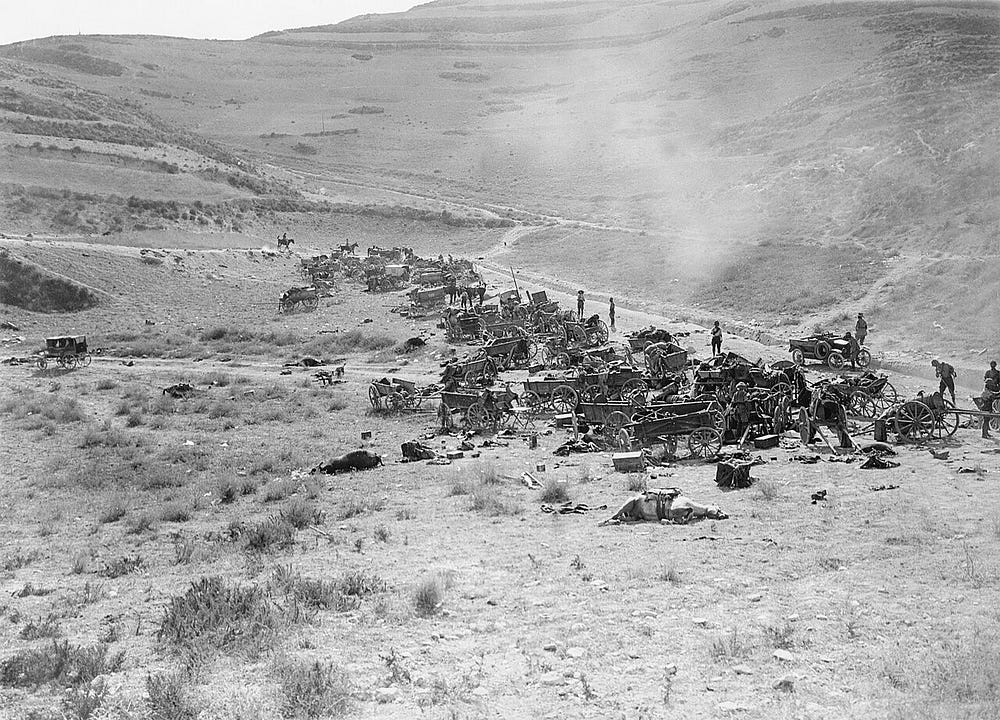
After the Battle of Megiddo, Ottoman Turkey was all but defeated. With the armistice that followed, postwar treaties dissolved the empire. A somewhat antiquated Turkish army had held out for longer than some might have expected and won some notable victories, but ultimately, they could not match the better-equipped British Empire and French forces.
This article of mine was originally submitted to Medium, where you can read it here.
Read more of my World War I articles on Vocal.com:
European History: The Treaty of Brest-Litovsk
The Impact of Woodrow Wilson's Fourteen Points
Remembering the Battle of the Marne: September 6 to 12, 1914
About the Creator
Matthew A
Matthew is the author of Battles of the Pacific War 1941-1945. Battles of the Pacific War is available on Amazon and Lulu in e-book and paperback formats. Check out the book’s blog at battlesofthepacificwar.blogspot.co.uk.
Enjoyed the story? Support the Creator.
Subscribe for free to receive all their stories in your feed.
Comments
There are no comments for this story
Be the first to respond and start the conversation.