
Britain's Involvement in World War One
Remembering When Britain Declared War Against Germany on August 4, 1914
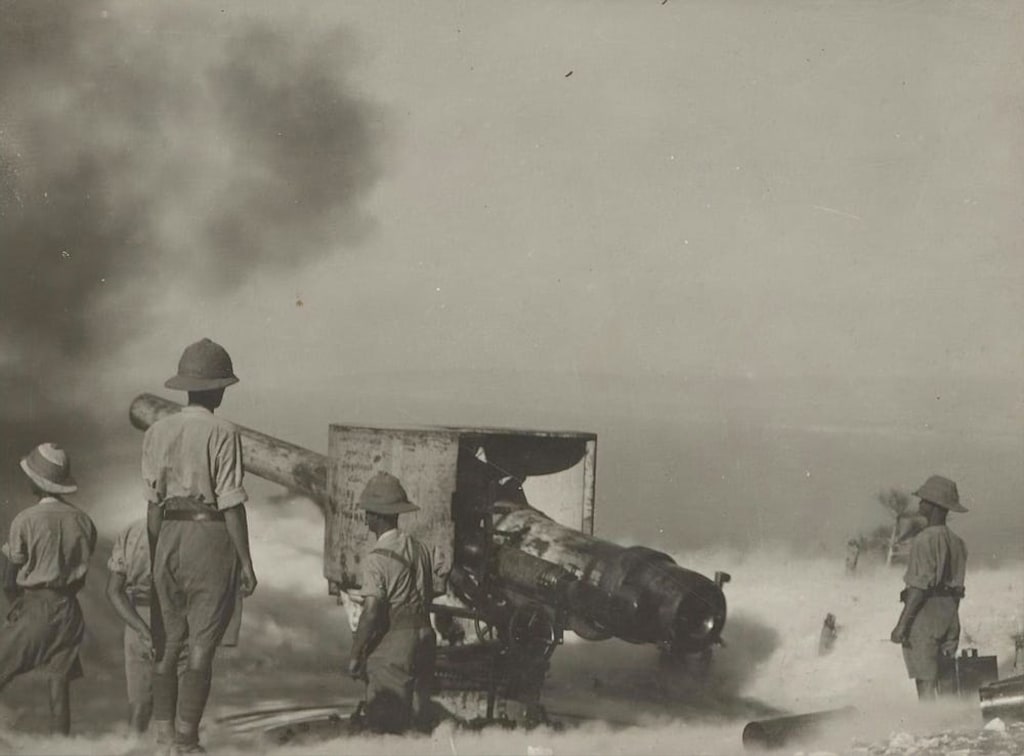
Britain's involvement in World War I was significant. The British Empire was the largest, and without the support of its armies, the French may not have been able to win the war on the Western Front alone. The outcome of the war could have been different had Britain not been involved on France's side.
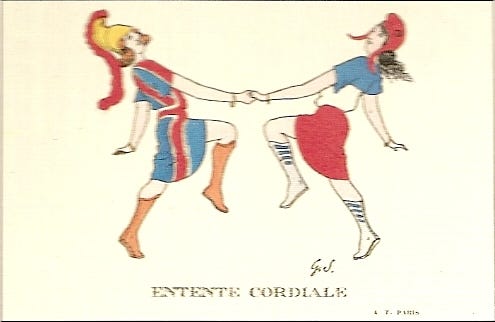
Britain had increasingly come to terms with France before 1914. In 1904, the Entente Cordiale between the two countries significantly changed policy as Britain and France became allies. Together, they formed a united front against Germany, whose relations with Britain deteriorated during the period.
By 1914, the possibility of a war in Europe had increased. Germany's Schlieffen Plan had been drafted, detailing how they would defeat France first, before Russia, in the event of a European war. The plan did not consider Britain's involvement, assuming either that the UK would surrender if France was defeated or that they would not join a war against them.
The Entente Cordiale didn’t necessarily prompt Britain to declare war on Germany in 1914. The UK had made clear it expected Germany not to violate Belgium's neutrality. Any German troop movements that violated Belgium's neutrality would be enough for Britain to declare war on Germany. When German troops violated the neutrality of Belgium, Britain declared war against Germany on August 4, 1914.
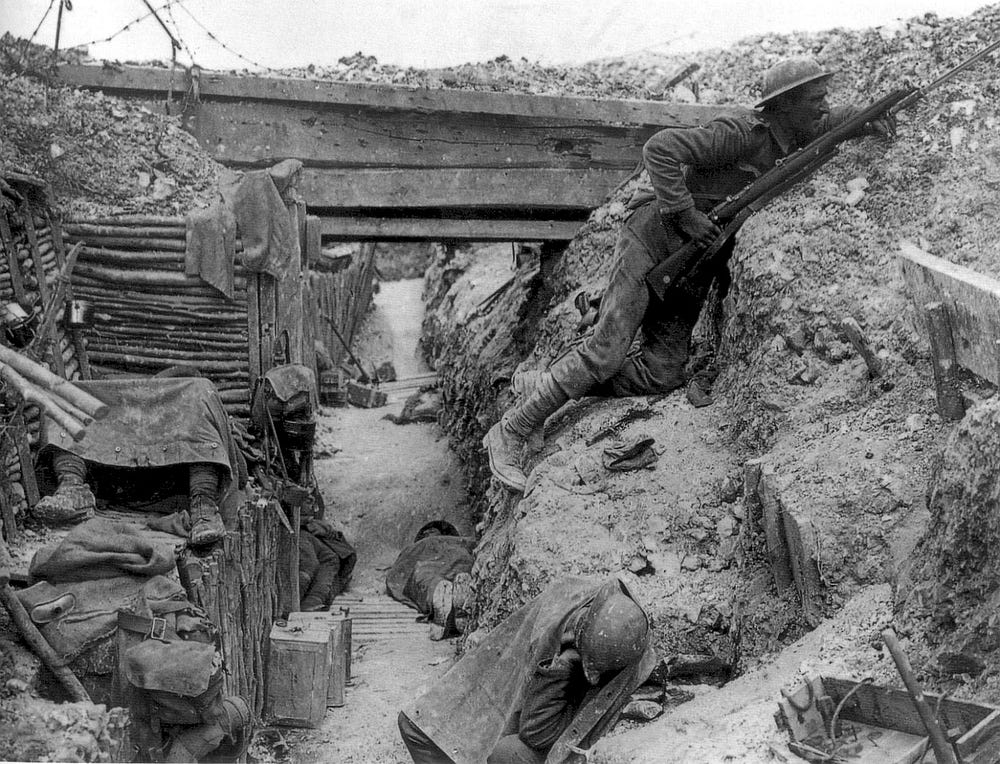
Their involvement in the war was primarily concerned with the Western Front. As German troops swept into France, it took a joint effort between Anglo-French troops to hold the line and stop the German advance at the Battle of the Marne. This battle saw the Schlieffen Plan fail as the prospect of defeating France in six weeks evaporated. Trench warfare in the West would see Britain commit further troops to support the French in Western Europe.
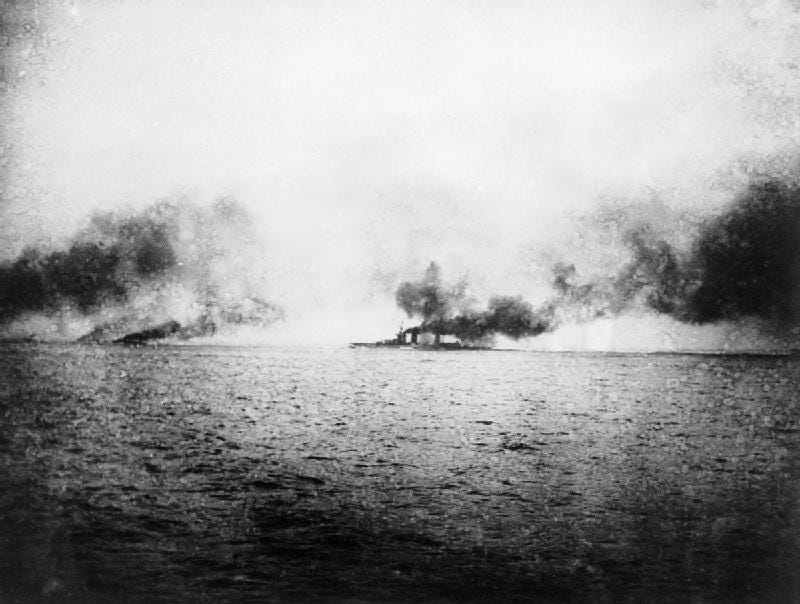
Britain's Royal Navy was the largest in the war. It became one of Britain's most potent weapons against the Germans in World War I. Britain used its navy to form an economic blockade on Germany, which became increasingly effective as the war progressed. German military and food imports were cut, which resulted in food shortages in Germany by 1917.
This prompted the Germans to pursue a policy of unrestricted submarine warfare in 1917, which still could not break the blockade, and the sinking of American shipping in the Atlantic prompted the US to join the war on Britain's side. The repercussions of this would be felt in 1918. In addition, the Battle of Jutland was the largest naval battle between Britain and the German navy. That was an inconclusive battle, but Britain lost a higher tonnage of ships.
Aside from the Western Front, Britain was also extensively involved in the Dardanelles. The Gallipoli Campaign aimed to capture the Turkish capital of Istanbul, which would secure a sea route to Russia. It was the biggest defeat in the war for Britain, as the Royal Navy failed to secure a sea route. This campaign was also the first to include the Australian and New Zealand Army Corps, and Anzac Day remains a significant commemoration of the Gallipoli Campaign.
Despite such setbacks, the Entente had begun to gain an advantage in the West by 1918. The prospect of increasing American troops and Britain's effective naval blockade prompted the last German advance of the war. After initial breakthroughs, Germany could not sustain the advance.
An Allied counter-attack involved US, British, and French soldiers. The BEF was particularly effective, making use of tanks that overran German lines. This Allied advance pushed German troops back, and such defeats prompted the abdication of Wilhelm and Germany to seek a ceasefire with the Entente.
On November 11, 1918, this ceasefire with the Entente brought the war to an end. The success of the Entente counter-attack, spearheaded by British and Commonwealth troops and tanks, won the war. In Britain today, Remembrance Sunday (or Poppy Day) remembers Britain's involvement in World War I every year, albeit in November rather than August.
Britain's declaration of war against Germany on August 4, 1914, and the subsequent loss of millions of troops up to 1918 is why Poppy Day is an annual day of remembrance. The August 4 war declaration date is brought into focus for the big WWI anniversaries. For example, there were various August 4 ceremonies and events held throughout Britain for the World War I centenary in 2014.
This article of mine was previously submitted to Medium.com, where you can read it here.
About the Creator
Matthew A
Matthew is the author of Battles of the Pacific War 1941-1945. Battles of the Pacific War is available on Amazon and Lulu in e-book and paperback formats. Check out the book’s blog at battlesofthepacificwar.blogspot.co.uk.
Enjoyed the story? Support the Creator.
Subscribe for free to receive all their stories in your feed.
Comments
There are no comments for this story
Be the first to respond and start the conversation.