
Remembering the Battle of the Marne: September 6 to 12, 1914
A Turning Point in World War I
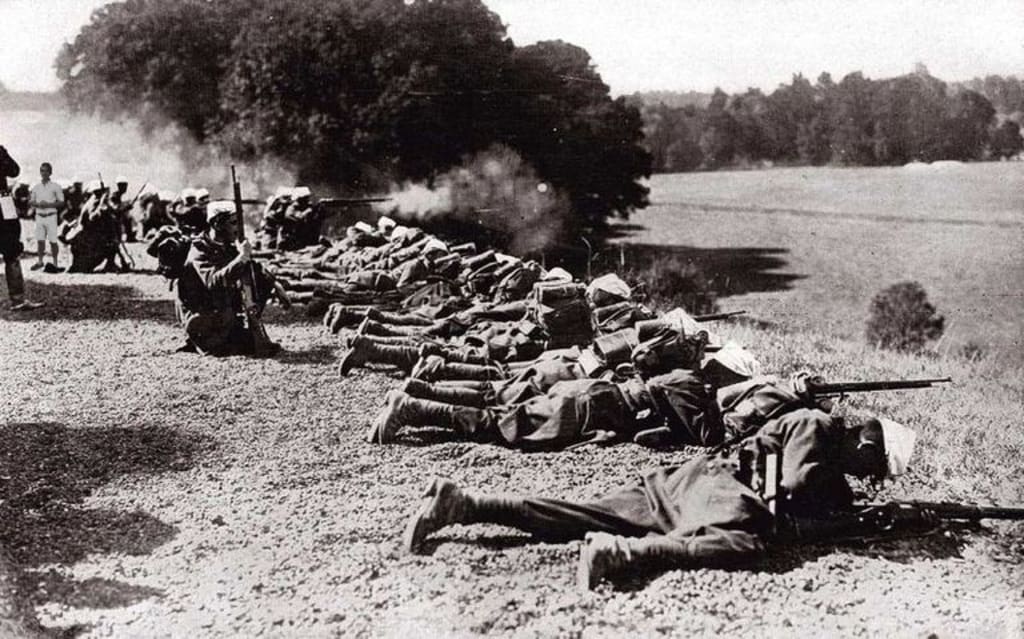
The Battle of the Marne was one of the more famous battles of World War I. There were two battles of the Marne during the war; the first was in 1914, and the second was in 1918. The first battle was more of a turning point than the second, although the latter battle was also a key victory for the Entente in the war with Germany.
Before the outbreak of the war, the Germans had drafted the Schlieffen Plan, a military plan that outlined how Germany could defeat Russia and France. The plan highlighted that the German army should first defeat France quickly by encircling Paris, then defeat the larger Russian army in Eastern Europe. Germany expected this plan would win them the war that began in 1914 after they declared war on both Russia and France. Soon after the war with France began, the German army advanced into Belgium as outlined by the plan.
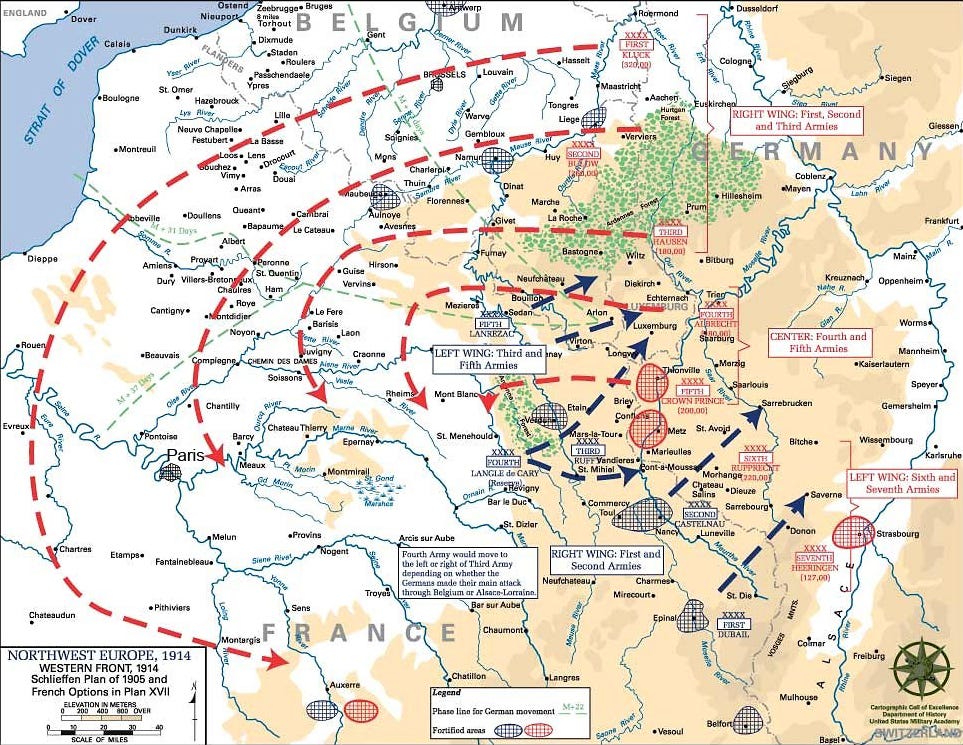
As Belgium did not permit the German army to move through that country, it was more of an invasion. Britain requested that Germany withdraw its troops from Belgium ASAP. The U.K. declared war on Germany because the German army remained in Belgium and advanced into France.
During the early weeks of the war, the German advance into France was effective, and it seemed that the Schlieffen Plan (a plan for the swift defeat of France) could win the war. As the Russians advanced into East Prussia more quickly than the Germans expected, they had to reinforce the eastern front with troops that might otherwise have been in France.
The Germans sustained their advance up to the River Marne. There, the Battle of the Marne began as the French army stood firm after their previous retreats. Although the battle was close, British reinforcements also played their part by splitting the German army. Moltke ordered the Germans to withdraw, and the Battle of the Marne ended on September 12, 1914.
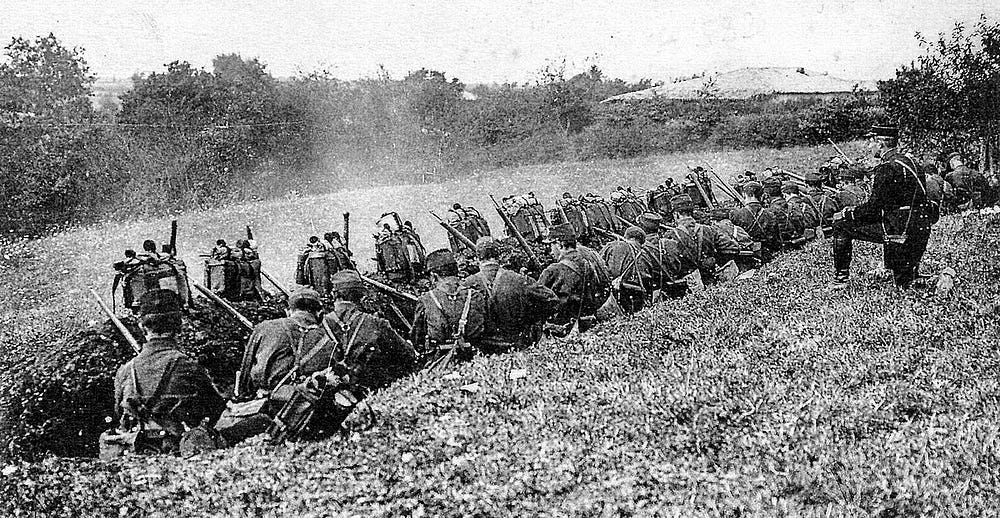
Paris was saved, and the German advance into France was halted. After the Battle of the Marne, the Schlieffen Plan failed, and France remained undefeated. This was undoubtedly a turning point in the war, as the Supreme Army Command (OHL) had to reconsider its military strategy after the battle. Both sides would dig trenches in France, and the war lasted for years longer until 1918.
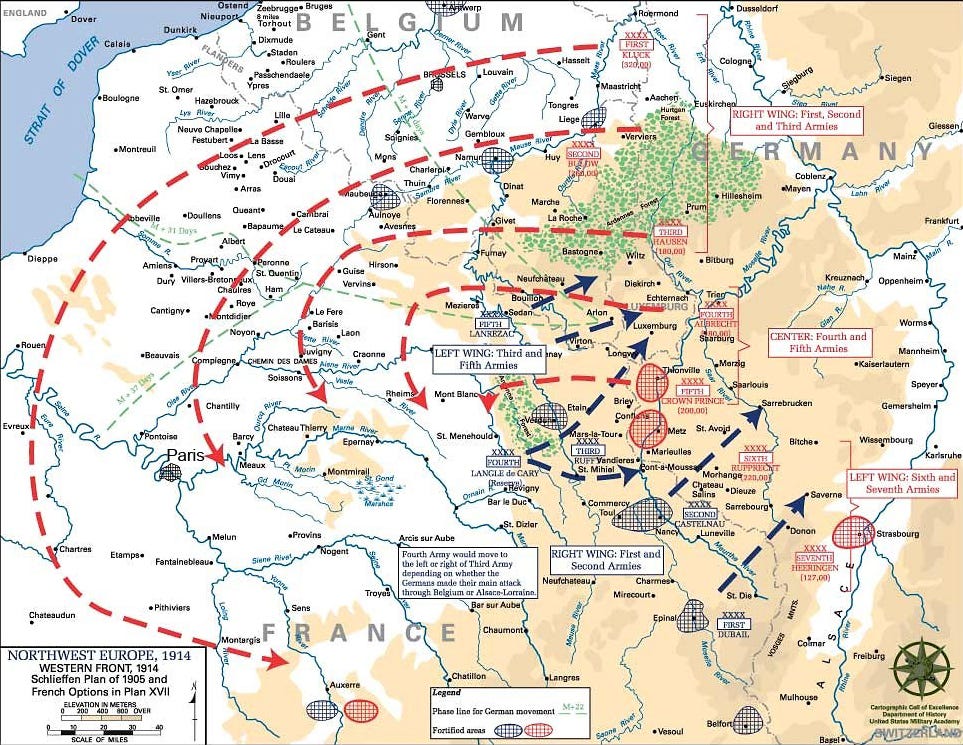
The Germans' defeat in this war was not certain after the Battle of the Marne, but a German victory had become much less likely. Had the German army defeated the French and British armies at the Battle of the Marne, an advance to Paris would likely have been sustained. With the fall of Paris, France would most likely have accepted an armistice. Then, the Germans would also have been able to defeat the Russians in the east, as they did by 1917.
In 1918, the Entente armies defeated Germany after the Second Battle of the Marne. At the Battle of Amiens, thousands of German soldiers surrendered as their lines collapsed at Amiens. The Entente armies advanced toward Germany, and a ceasefire ended the war on November 11, 1918.
Why is the Battle of the Marne Significant Today?
France opened the Museum of the Great War in 2011 in Meaux, the location where the Battle of the Marne took place. The Museum of the Great War is Europe's largest World War I museum, with a permanent exhibition that displays weapons and other artifacts from the Battle of the Marne. That museum's chosen location highlights the symbolic significance of France's victory at the Marne. Today, visitors flock to the Museum of the Great War to immerse themselves in World War I history.
Aside from the Museum of the Great War, there are guided and self-guided Battle of the Marne tours. Those tours take visitors around the key sites of the Marne battle. You can pick up maps at the Meaux Tourist Office for self-guided tours. Alternatively, book yourself on tours guided by historians who provide fascinating insight into the Marne battle.
The Battle of the Marne was one of the pivotal moments of World War I, for which there's a big museum and regular anniversary commemorations. France's victory at the Marne was one of the most significant of World War I. That unexpected triumph, which halted the seemingly unstoppable German invasion, is also known as the Miracle on the Marne.
This article of mine was originally submitted to Medium.com, where you can read it here.
Read more of my World War I articles on Vocal:
Remembering the Key Political Figures of World War I
Remembering the Battle of Amiens in World War I
Remembering American Involvement in the First World War
Britain's Involvement in World War One
Timeline of the First World War: From Sarajevo to Versailles
About the Creator
Matthew A
Matthew is the author of Battles of the Pacific War 1941-1945. Battles of the Pacific War is available on Amazon and Lulu in e-book and paperback formats. Check out the book’s blog at battlesofthepacificwar.blogspot.co.uk.
Enjoyed the story? Support the Creator.
Subscribe for free to receive all their stories in your feed.
Comments
There are no comments for this story
Be the first to respond and start the conversation.