
Remembering the Key Political Figures of World War I
The Most Influential Politicians of World War I
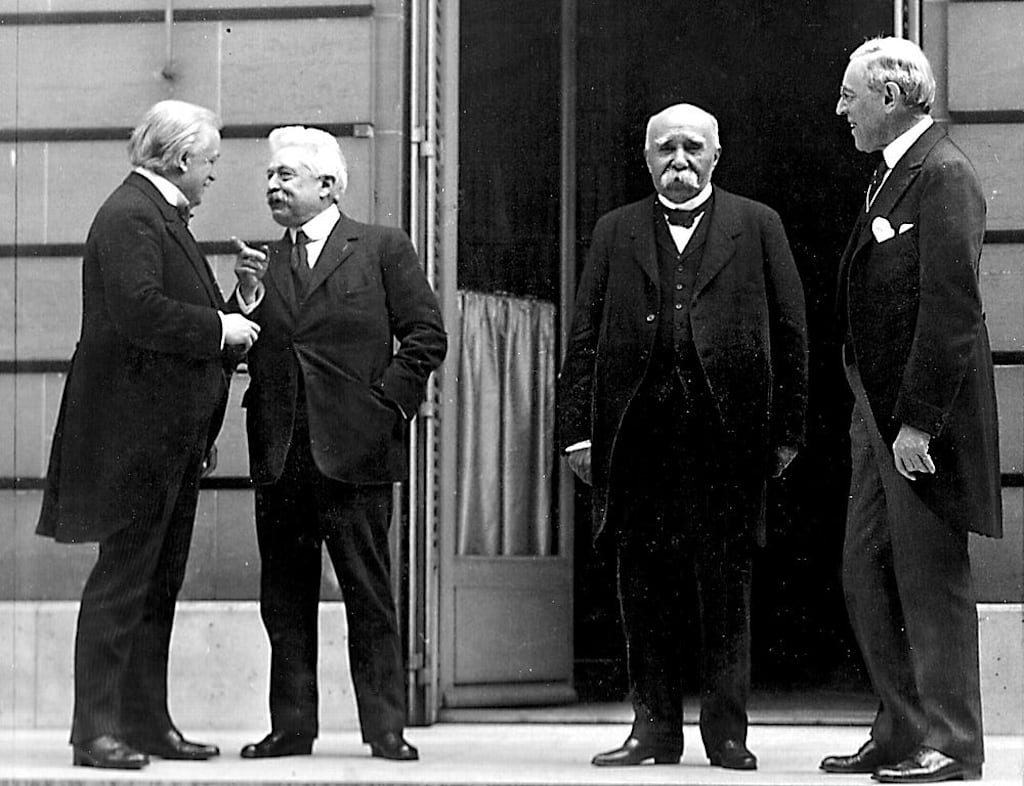
Who was responsible for the outbreak of this war? Why, the politicians, of course! Then, monarchs were still notable political figures and had a considerable impact on the war that followed. These were a few of the more famous politicians of the period.
Kaiser Wilhelm II
Wilhelm was the king of Germany in 1914, and some historians suggest he was a big factor in the outbreak of the war. Certainly, the assassination of the Archduke had little to do with Germany or Wilhelm, but Germany's king threw his support behind Austria-Hungary in the emerging war in the Balkans.
Soon after, Germany and its king duly declared war not only on Russia, but on France as well. There was little negotiation or open discussion between the empires. The German military hierarchy had drafted a plan before the war, which outlined how they could defeat both France and Russia in Europe, and thus, that plan was followed. To begin with, most within the German Empire supported the war, which they expected to win fairly quickly.
The German king was also commander-in-chief of the German army. Although it was largely left to his chief military advisers, such as Ludendorff and Hindenburg, to draft military plans for the war. But they could not bring the expected German victory in Western Europe, at least, although their army was very effective in the east, where they made considerable advances.
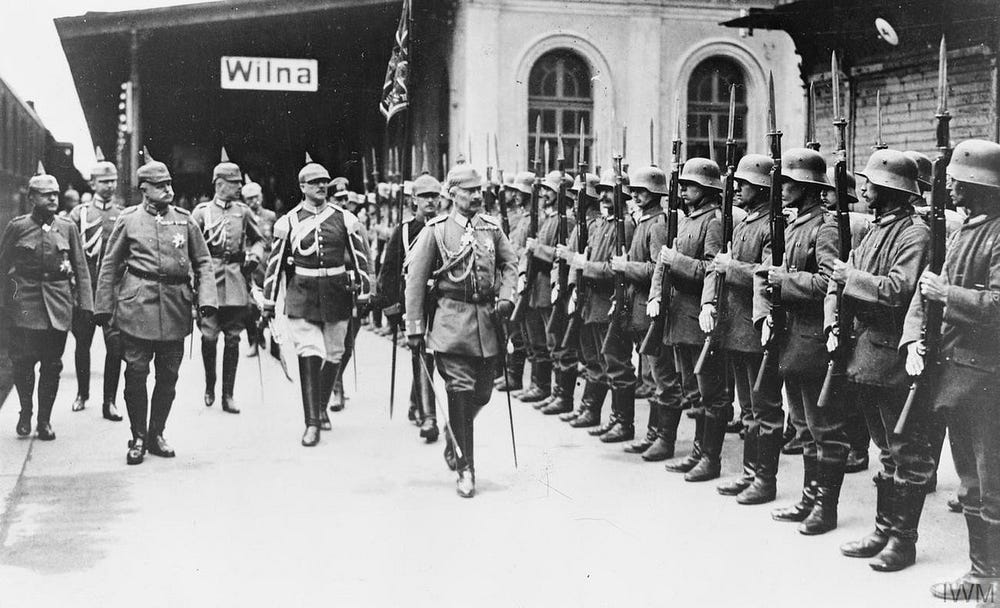
After the United States joined the war and Germany's shattering defeat at the Battle of Amiens in 1918, it became clear that they could not win the war. As such, the Germans began peace talks in which the Entente requested the abdication of Wilhelm as a precursor to an armistice. With most within Germany calling for an end to the war, Wilhelm duly abdicated shortly before the 11th November armistice.
Many in France, Britain, and the United States considered the German king a war criminal. However, no subsequent war tribunal trials were held, except in Leipzig. Thus, little substantial evidence materialized in the postwar period.
President Wilson
In 1917, President Wilson could no longer ignore World War I after German U-boats resumed unrestricted submarine warfare to wipe out British merchant ship supplies. This ensured that U.S. ships were once again in the firing line of U-boats, and further losses of American sailors at sea. Wilson addressed Congress to declare war on the German Empire, and so the United States entered the war alongside Britain and France.
The impact of Wilson's support for the Entente was not immediate. The United States still had to get its army together and build up its troops in France. But by 1918, its army joined the fray, providing the British and French with considerable reinforcements in the west. Buoyed by U.S. support, the coalition began a series of advances in France that shattered Germany's lines, ensuring the full retreat of the German army.
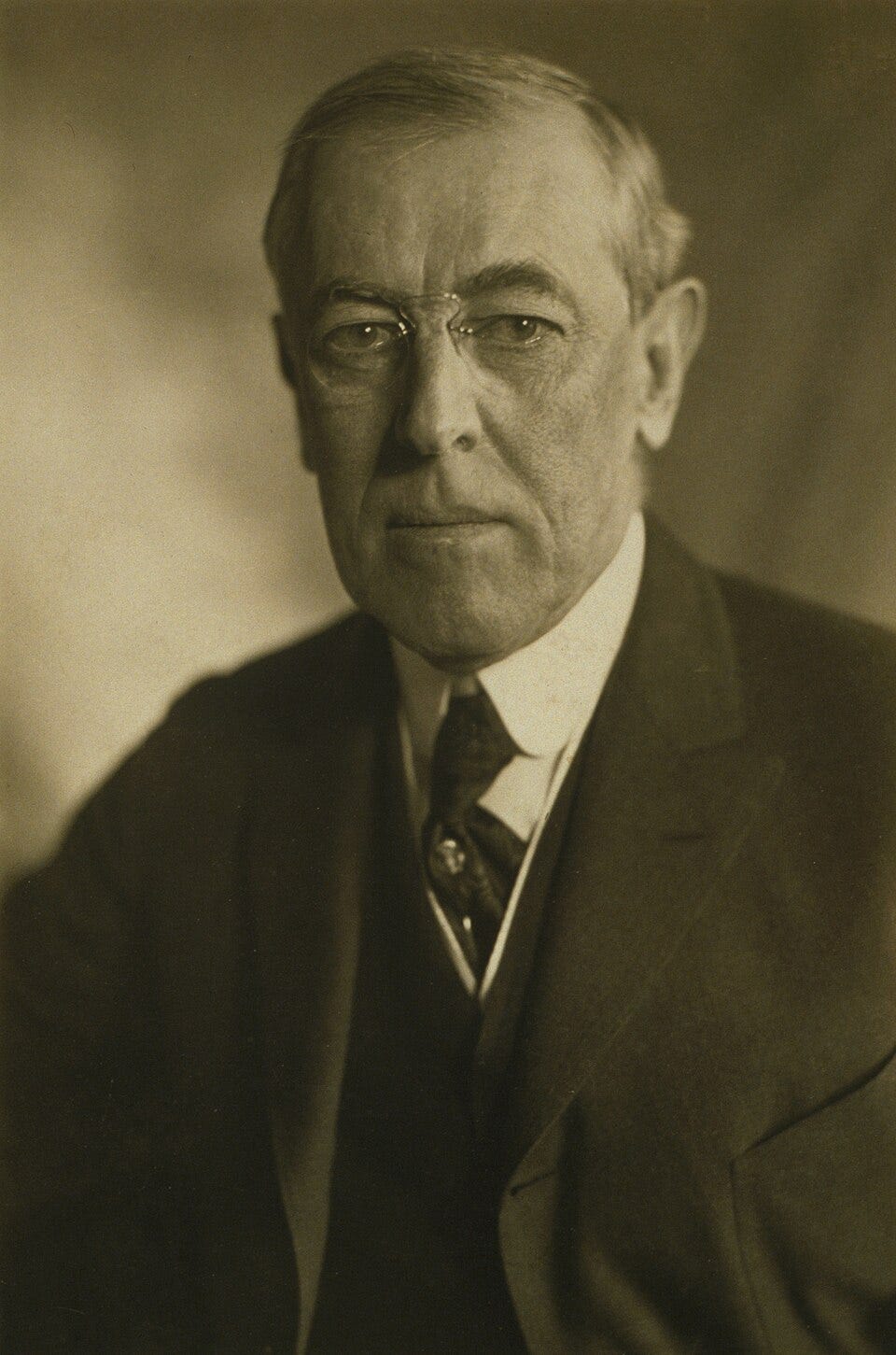
Wilson laid the foundations for peace talks with the Germans based on his 14 Points speech in 1918. That encouraged the Germans to open peace discussions with the Entente in 1918, as their army retreated. In 1918, the German chancellor sent a note to Wilson calling for an armistice, based upon the 14 Points. As such, the president was certainly influential in ending the war with a victory.
At the Paris Peace Conference, Wilson established the League of Nations. This was the forerunner of the modern-day United Nations. Wilson also provided input for the postwar treaties drafted, such as the Treaty of Versailles. However, as the Treaty of Versailles was not approved by Congress, the United States did not join the League.
Clemenceau
Clemenceau emerged as France's PM in 1917. Upon his election, he rallied France to maintain the front with Germany. In 1918, the war in France was turned around after a series of rapid German advances were halted, followed by more substantial advances from the French, British, and U.S. Army. The Germans retreated beyond the Hindenburg Line, and so an armistice was established.
Clemenceau was influential in the Paris Peace Conference that followed. He outlined peace terms for the defeated German Empire within the Treaty of Versailles. Clemenceau and much of France believed that Germany caused the war. As such, Clemenceau required the Treaty of Versailles to include substantial German reparations, the return of Alsace-Lorraine to France, and the wholesale reduction of the German military. Those were just a few of the treaty provisions, which remained a little controversial because Congress never ratified them.
Lenin
Lenin was the Bolshevik Party's most prominent campaigner, who did not support Russian involvement in the war. In 1917, the party remained exiled in Switzerland until the king of Russia abdicated the throne. After the collapse of the Romanov dynasty, in February, Lenin won over the support of the German High Command. Among Lenin's policy pledges was that of peace in Russia and an armistice with Germany, which would ensure greater reinforcements for the German army in the west. As such, he was given a railway passage through Germany to return to Russia.
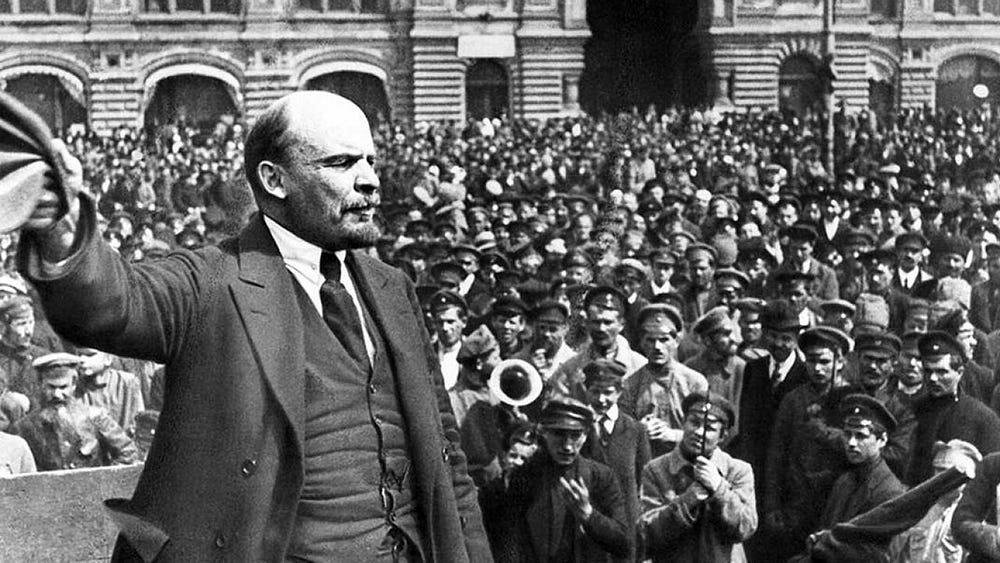
When Lenin returned to Russia, he distributed the April Theses. Within those theses, peace was promised to the Russian people. That won support for the Bolshevik Party within Russia, and in October, they seized the Winter Palace. The Bolsheviks established the communist regime and began peace talks with the Germans, which continued into 1918. The Treaty of Brest-Litovsk ended the war in Eastern Europe, but the Russians surrendered considerable territory to the Germans. Thus, Lenin had abandoned Russia's former Entente allies, and no Bolsheviks were at the Paris Peace Conference.
These politicians were influential during the war. Not all of them caused the war, with Wilson and Lenin both restoring peace in Europe. However, Europe's monarchies in Germany, Austria-Hungary, and Russia were swept aside during a war that ensured their collapse.
This article of mine was originally published on Medium, where you can read it here.
Read more of my World War I articles on Vocal:
Remembering American Involvement in the First World War
Germany's Victories and Defeats in World War I
Britain's Involvement in World War One
Timeline of the First World War: From Sarajevo to Versailles
About the Creator
Matthew A
Matthew is the author of Battles of the Pacific War 1941-1945. Battles of the Pacific War is available on Amazon and Lulu in e-book and paperback formats. Check out the book’s blog at battlesofthepacificwar.blogspot.co.uk.
Enjoyed the story? Support the Creator.
Subscribe for free to receive all their stories in your feed.
Comments
There are no comments for this story
Be the first to respond and start the conversation.