
Remembering the Battle of Amiens in World War I
The Black Day of the German Army on August 8, 1918
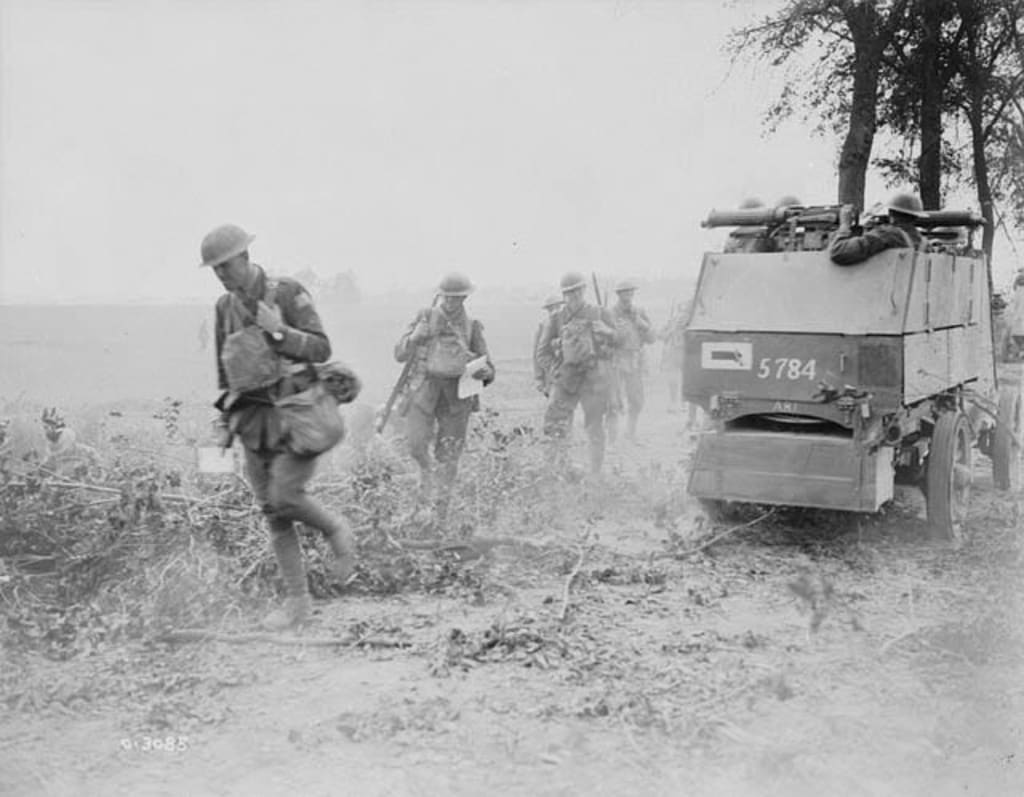
The Battle of Amiens was one of the decisive battles of the First World War. After years of war, the Entente armies of Britain, France, and America began to make significant breakthroughs on the Western Front at the Battle of Amiens. General Ludendorff described the battle as the black day of the German army.
By 1918, the war was beginning to reach its climax. After Germany's victories in Eastern Europe, the German army no longer had to fight on two fronts. Many of Germany's troops on the Eastern Front were moved into Western Europe to support Germany's final advances in the war, which they expected would win.
With potential US reinforcements now reaching France, the Germans knew they had to win the war soon. The final German advances did push the Entente armies back to the Marne, but were halted at the Second Battle of the Marne, and the German advance ran out of momentum.
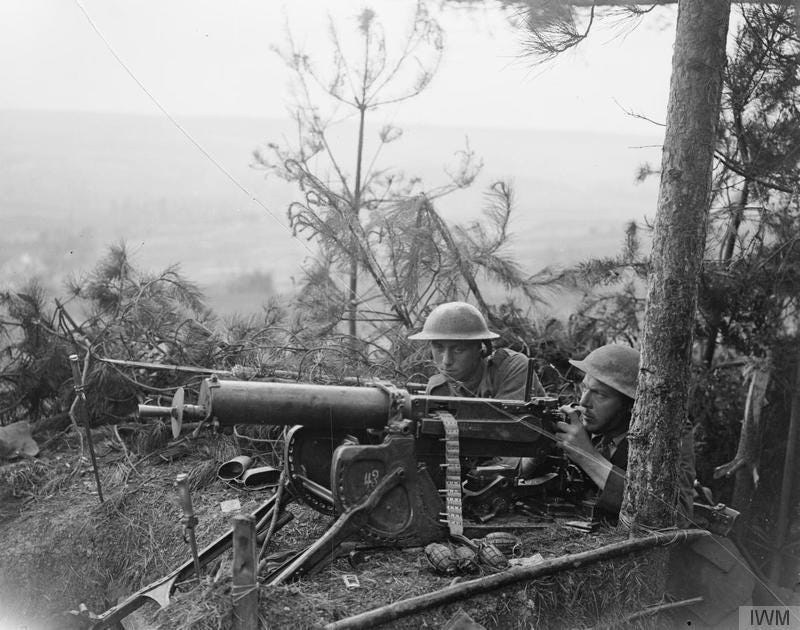
It was now time for the Entente to begin its advance in the West. British, American, and French armies geared up for an offensive toward the French city of Amiens with the objective of seizing the railroads. The Entente armies approached Amiens in relative silence, hoping to surprise the Germans.
The Battle of Amiens was also notable for introducing new military technology to the battlefield, more specifically, the tank and the aircraft. Entente planners were now pinning their strategy on almost 2,000 aircraft to strafe (attack with planes) the German lines, along with armored tanks to break through. While these early tanks were slow, their firepower and armor were invaluable.
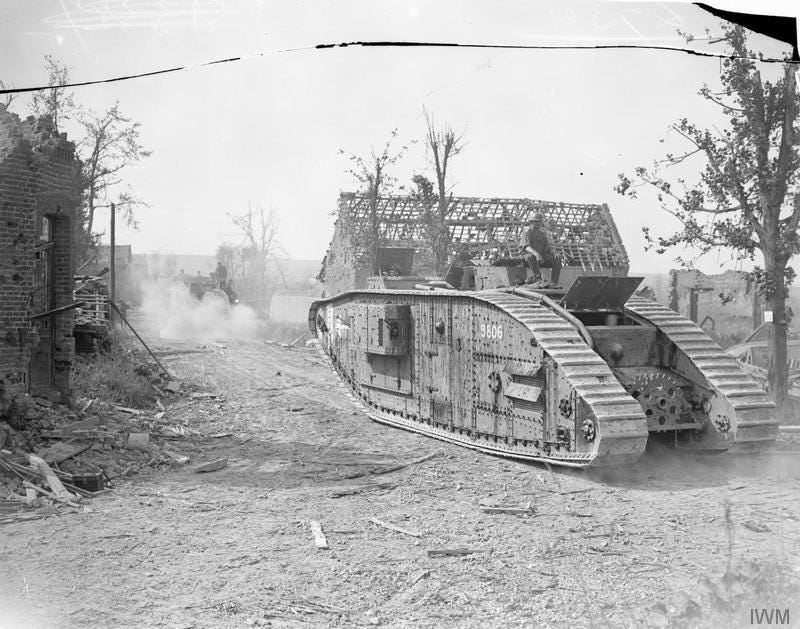
With the tank and the aircraft to support the troops and cavalry, the Battle of Amiens that began on August 8, 1918, proved to be a key victory for the Entente. The British Fourth Army under Rowland was particularly effective and spearheaded the Entente's advance. The German army was pushed back and retreated.
Thousands of Germans were lost during the battle. German troops began to surrender in numbers, and by August 27, a reported estimated 50,000 German soldiers had surrendered and been captured by the Entente.
By the end of the Battle of Amiens, the Entente had advanced many miles in what was the greatest advance in the war. On the first day, the Entente had covered several miles, and although slowed, the advance continued. It was clear that the Entente was now on the brink of victory.
The Entente continued its advance towards Germany into winter. By November, victory was within grasp, and Germany began to enter into peace negotiations with the Entente. German delegates met with French commander Foch in his private carriage, where the Entente discussed peace terms. With the German army in disarray, they signed a ceasefire on November 11, 1918, which ended the war.
Why is the Battle of Amiens Significant Today?
Today, there are numerous notable war memorials around the area where the Battle of Amiens took place that attract tourists. The most notable is the Le Quesnel Canadian Memorial, which specifically commemorates the contribution of the Canadian Corps at the Battle of Amiens. That is one of the memorials included on regular Amiens and Somme tours organized by travel groups.
The Australians annually commemorate the Battle of Amiens at the Sanctuary, Shrine of Remembrance in Melbourne. There, the Rotary Club remembers the contribution of Australian troops to the battle every year. August 8, 2025, is the date for this year's Amiens commemoration at the Shrine of Remembrance.
The Battle of Amiens also revolutionized war in a way few others have. Tanks had a devastating impact at this battle, which showed they were very much the weapon of the future in 1918, along with military aircraft. Today, tanks remain very important in ground wars, as we have seen in the present-day Ukraine conflict.
This article of mine was previously submitted to Medium.com, where you can read it here.
Read more of my World War I articles on Vocal:
Remembering the Defeat of Russia in World War I
Britain's Involvement in World War One
Timeline of the First World War: From Sarajevo to Versailles
About the Creator
Matthew A
Matthew is the author of Battles of the Pacific War 1941-1945. Battles of the Pacific War is available on Amazon and Lulu in e-book and paperback formats. Check out the book’s blog at battlesofthepacificwar.blogspot.co.uk.
Enjoyed the story? Support the Creator.
Subscribe for free to receive all their stories in your feed.
Comments
There are no comments for this story
Be the first to respond and start the conversation.