
Remembering the Defeat of Russia in World War I
How the Germans Beat the Russians in World War I
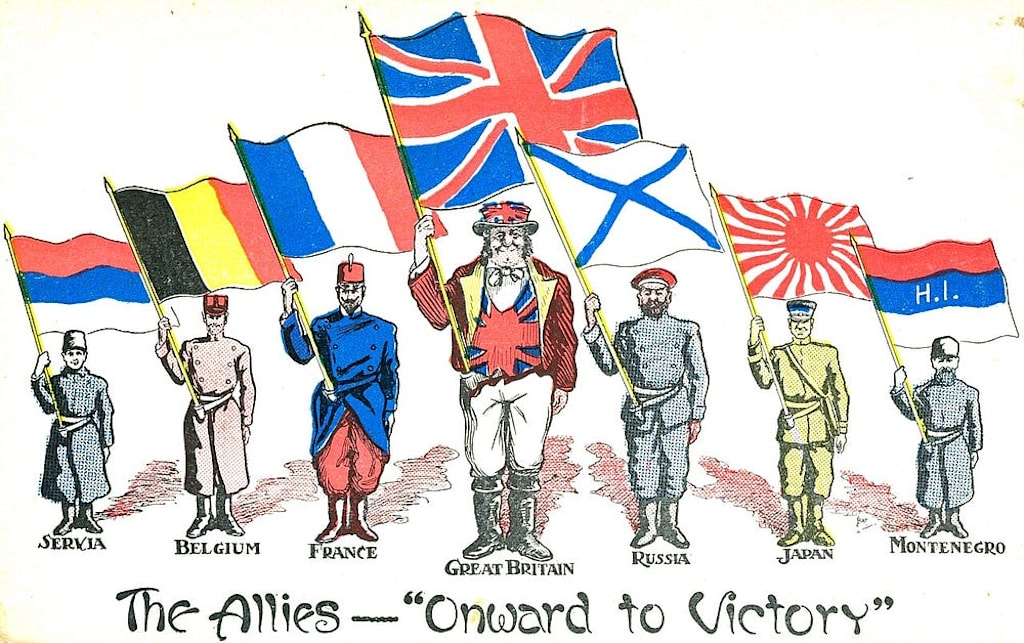
Before 1914, the Russian Empire had established a closer alliance with both Britain and France as part of the Triple Entente. The discontinuation of the Reinsurance Treaty with Germany all but ensured that Russia became an ally of France and Britain. As the Russians had joined France's camp in Europe, the Germans drafted military plans that outlined how they could defeat both France and Russia in a future war within Europe.
The trigger for WWI came in 1914 when the Archduke Ferdinand was assassinated. When the Russian army was mobilized in the east, Germany declared war on Russia and then their French allies. In the early months of this war, both sides were convinced that they could win a quick victory, and the Russians rallied behind the tsar, who was also commander-in-chief of the Russian army.
The Entente pinned its hopes on the Russian army to make an effective advance into eastern Germany. The Germans planned on defeating France quickly so they could then station their whole army in the east to defeat the Russians. As such, in the early months, both the German and Russian armies advanced in the east and west.
In France, the French army retreated. Whilst the Germans were slowed in Belgium, the British reinforcements could not halt the German advance. They retreated back to the Marne, and it was there that the British and French armies united and effectively halted the Germans, who fell back.
That was the good news for the Entente. But in the east, the Russian army's advance into East Prussia was also collapsing. In August, the Russians were routed at the Battle of Tannenberg. A smaller German army took on two Russian armies, the First and Second Army, wiping out the Second Army. Thus, the Russian advance was also halted as the First Army retreated to the Masurian Lakes.
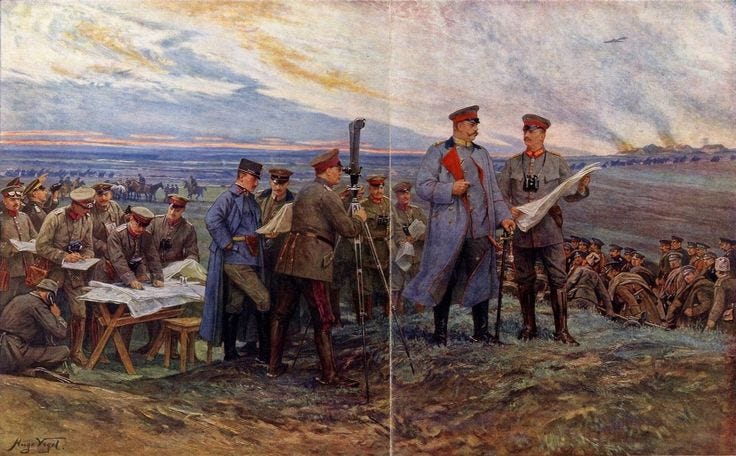
Soon after, the Germans finished off the First Army at the Battle of the Masurian Lakes. Now they were advancing in the east. After their defeat at the Battle of the Masurian Lakes, the Russians withdrew from East Prussia altogether. Their military plans were in tatters, but the war in the east was far from over.
In 1915, the Russian army was in disarray as further defeats followed. The German and Austrian armies united and began a sustained advance. The Russians retreated from Russian Poland as the Germans advanced hundreds of miles. By the end of 1915, they had captured not only Russian Poland, but also Lithuania and Latvia in the Baltics and parts of Russian Ukraine.
But by 1916, the Russians began to regroup. The previous supply shortages for the Russian army had been somewhat resolved with a greater quantity of armaments and munitions reaching the front lines. With their army more adequately supplied, the Russians began to make plans for renewed advances in the east. Their advance was initially effective as the Russian army marched into Glacia, and the Austro-Hungarian forces had heavy losses. Hundreds of thousands of Austro-Hungarian troops were captured, along with their guns. The Romanians also joined the fray to regain the Transylvania region in Austria-Hungary.
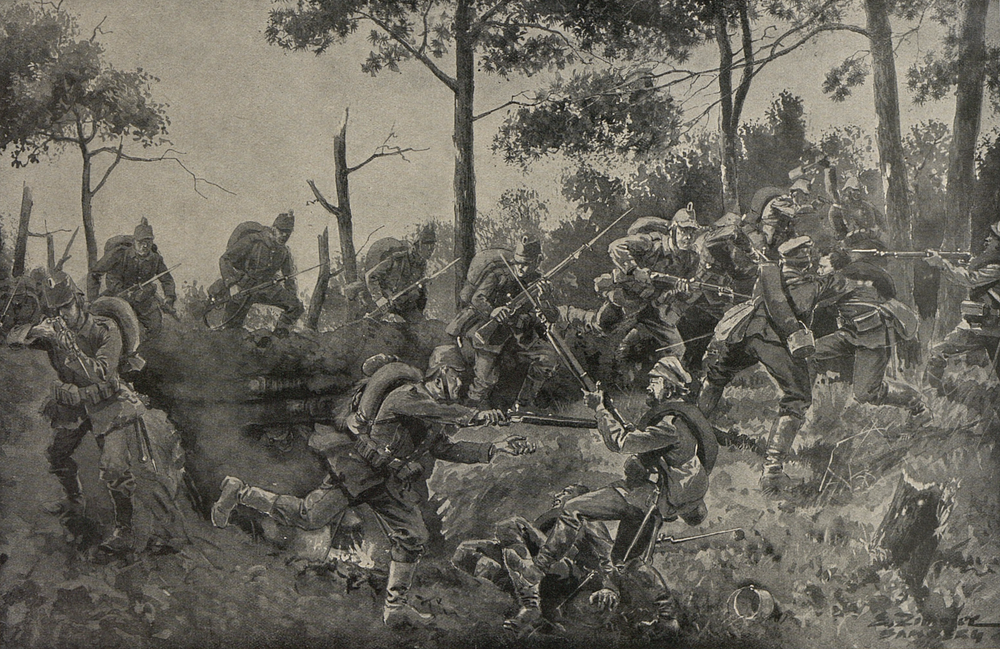
Briefly, it may have seemed that the war in Eastern Europe was turning. But as the Germans sent reinforcements to the east, the Russian and Romanian advances were halted later in 1917. A combined German, Austrian, and Bulgarian counterattack ensured the defeat of Romania, and they advanced hundreds of miles further.
By early 1917, grain shortages within Russia had increased markedly. As the Russian army's advance in the east had all but stalled, with heavy losses, most within Russia were now calling for Russia to pull out of the war, and above all else, the abdication of the tsar. In Petrograd, soldiers began to ignore orders and joined the thousands calling for the abdication of the tsar. Without support from the army, the tsar fell on his sword and duly abdicated the throne. A suitable replacement was not at hand, and thus the Romanov dynasty all but crumbled. A vacuum was left, which Kerensky would briefly fill before the Russian constituent elections.
The implications this had for Russia in the war were not immediately obvious. Kerensky was, in fact, committed to maintaining Russia's front in Eastern Europe. But, as previously stated, most within Russia were calling for peace. Among them was Lenin, and upon their return to Russia, the Bolsheviks made it clear that they would begin peace talks with the Germans.
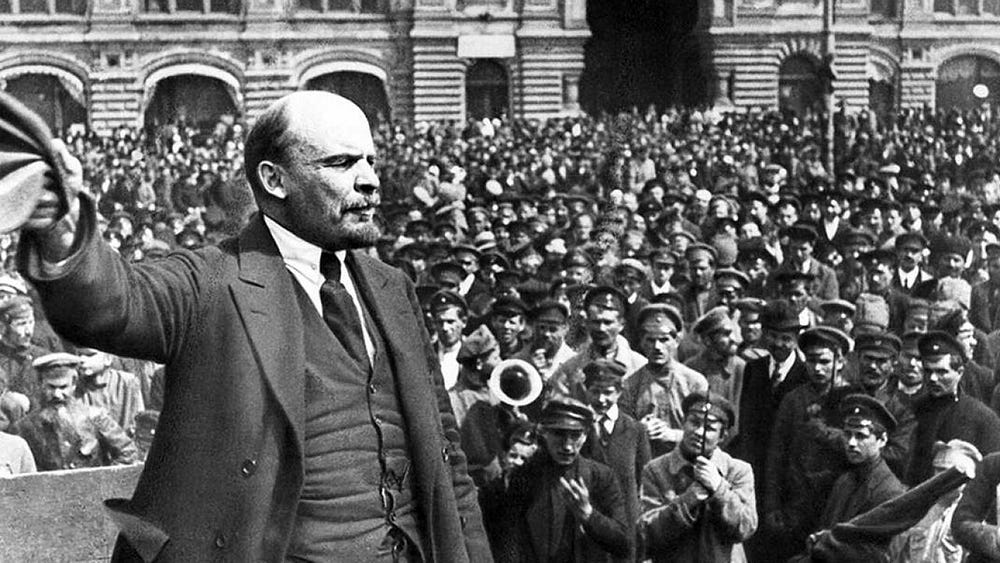
In October, the Bolsheviks seized the Winter Palace and cemented the Bolshevik regime. Now they could begin the promised peace talks with the German Empire. At Brest-Litovsk, Trotsky began discussions with the Germans for a separate peace treaty in 1917–18.
However, it was not fully negotiated, as the Germans briefly resumed their advances, which pushed the Russian army hundreds of miles. In 1918, they occupied much of Ukraine, Belarus, and the Baltic. The Germans had clear military superiority in Eastern Europe. The Russian army was all but defeated, so the Bolsheviks ended the war with the Treaty of Brest-Litovsk, which surrendered vast territory in the east, such as Finland, Poland, the Baltic provinces, and Ukraine.
The treaty ended a costly war for the Russians, which was a clear defeat. They had lost millions of soldiers and surrendered much of their European empire. Nor did the treaty actually bring peace, as a Civil War emerged in Russia soon after. To consolidate, Lenin and the Bolsheviks had to win a Civil War in Russia, and only then was the Treaty of Brest-Litovsk overturned after the defeat of the German army in the West.
This article of mine was previously submitted to Medium.com, where you can read it here.
About the Creator
Matthew A
Matthew is the author of Battles of the Pacific War 1941-1945. Battles of the Pacific War is available on Amazon and Lulu in e-book and paperback formats. Check out the book’s blog at battlesofthepacificwar.blogspot.co.uk.
Enjoyed the story? Support the Creator.
Subscribe for free to receive all their stories in your feed.
Comments
There are no comments for this story
Be the first to respond and start the conversation.