
European History: The Treaty of Brest-Litovsk
How the Treaty of Brest-Litovsk Established an Independent Ukraine in March 1918
World War I was a war of two fronts in Western and Eastern Europe, as the Germans and their allies battled with the French and British armies in the west, and the Russians in the east. While the war in the west had remained static, the Germans had been winning the war in the east after their victories at the Battle of Tannenberg and the Masurian Lakes. For most of the war, the Russian army retreated in Eastern Europe.
The economic impact of the war assured shortages in Russia. As the tsar was Commander-in-Chief of the Russian army, their defeats in Eastern Europe were also considered a consequence of the tsar's military planning and strategy. The loyalty of the army had gradually diminished during the war. Yet, the Russians were not about to make peace.
By February, the Russians called for the tsar to abdicate the throne. As the soldiers could no longer be relied upon, support for the tsarist monarchy had evaporated. The tsar duly abdicated in February.
The February Revolution did not ensure an end to the war in Eastern Europe. Kerensky made clear that he would not begin peace talks with the Germans. Despite shortages in Russia and further military setbacks, the war continued after the abdication of the last king of Russia.
The Bolsheviks had returned to Russia shortly after the demise of the tsar, and Lenin had always made it clear that his party did not support Russia's involvement in the war. Among their foremost policy pledges was to withdraw Russia from the war. With the war ended, the Bolsheviks could then consolidate in the postwar period.
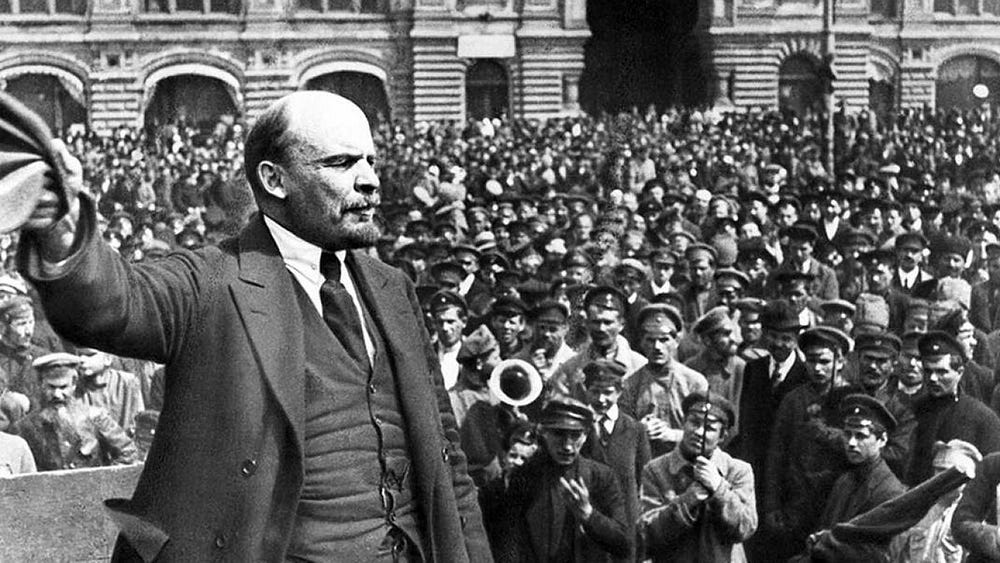
After the Bolsheviks seized the Winter Palace in October, they began peace talks with the Germans. Lenin had promised bread, peace, and land, and the war had to be ended if grain shortages were to be reduced. Peace talks were ongoing for some months, and the German army advanced further into Eastern Europe at the beginning of 1918, which highlighted the deteriorating military situation for the Russians.
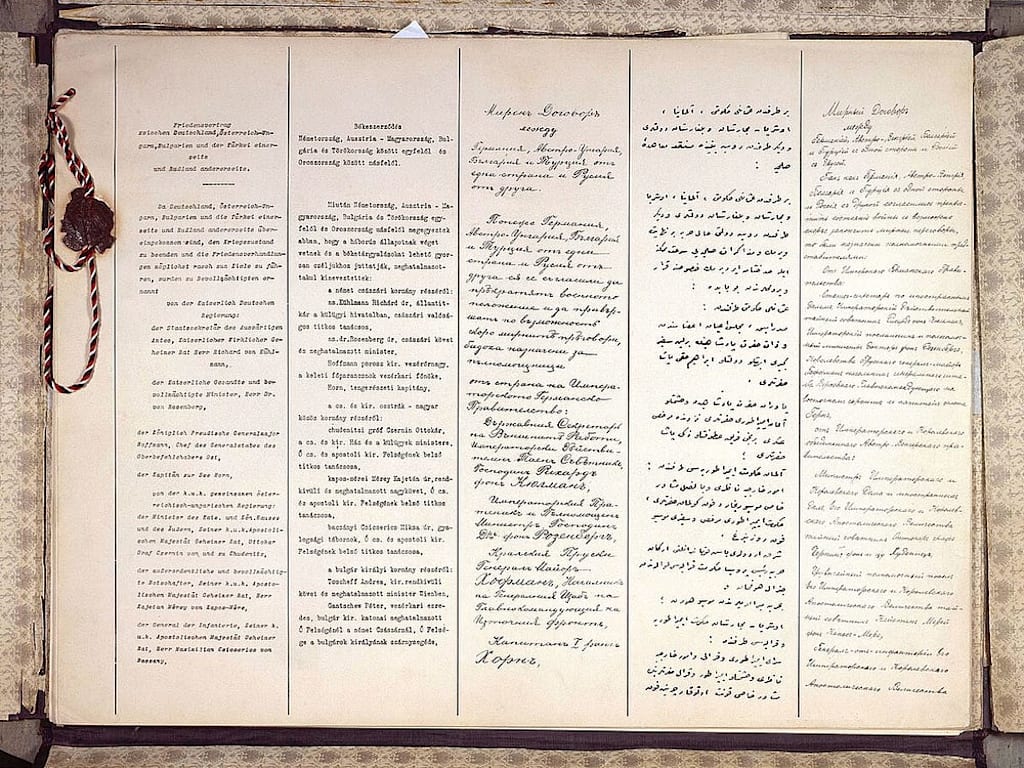
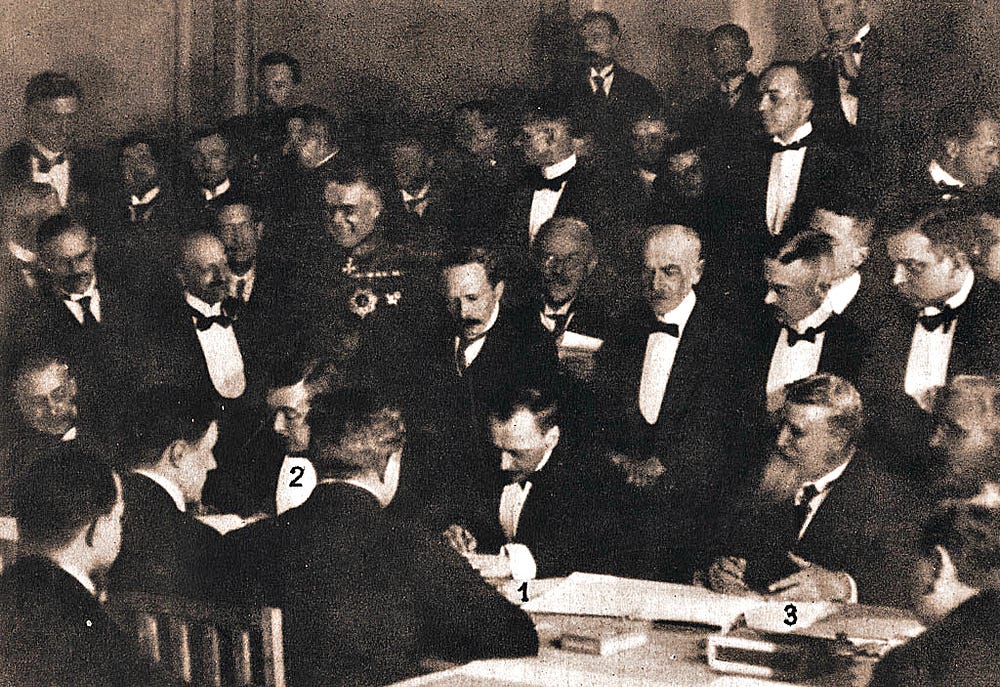
The war in Eastern Europe had, therefore, certainly been lost, and so the Russians accepted the Treaty of Brest-Litovsk by signing it on March 3, 1918. This ceded the Baltic to Germany and parts of modern-day Poland. Although they had lost lots of territory, the Treaty of Brest-Litovsk nevertheless ensured an end to the war in Eastern Europe.
Some within the Bolshevik Party also hoped that a communist revolution in Germany would overturn the treaty after the war. The emergence of the KPD inspired the Spartacus uprising in 1919, which was not effective. It became clear that they could not count on the KPD in Germany.
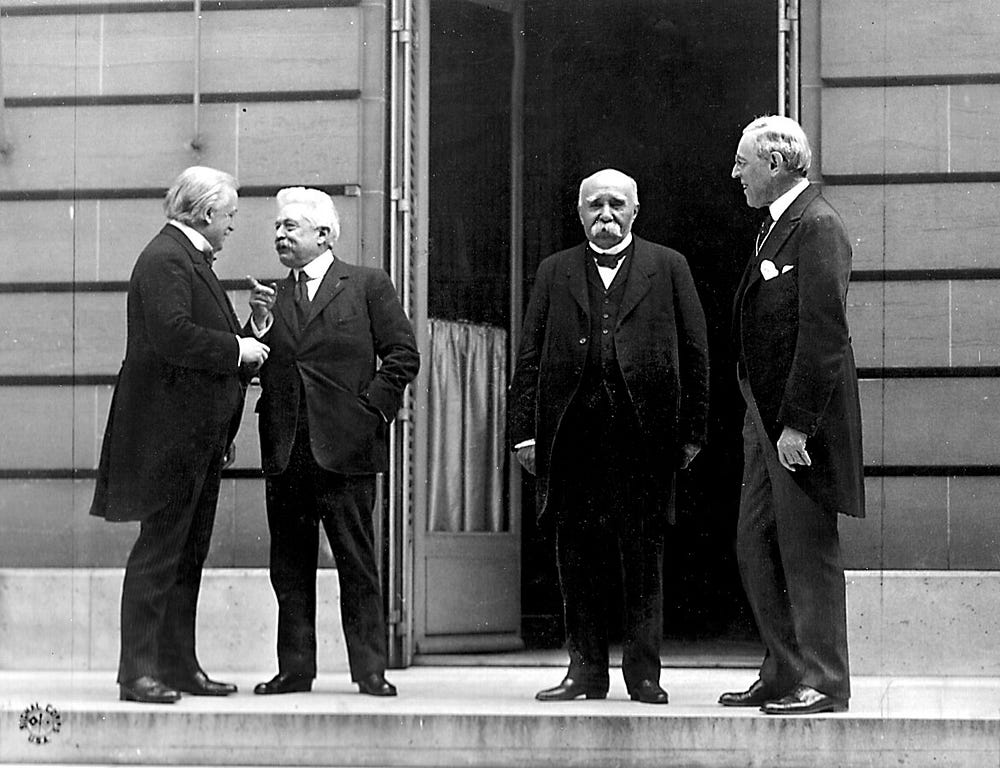
The Entente's victories in France ensured that the Treaty of Brest-Litovsk was overturned by postwar treaties such as the Treaty of Versailles. Like the Germans, the Russians had no delegates at the postwar Paris Peace Conference. Postwar treaties ensured the emergence of Poland in Eastern Europe and the demise of the Austro-Hungarian Empire.
After the war, the Bolsheviks could now begin to consolidate, although a civil war during the postwar era ensured that war remained within Russia. In the early 1920s, the USSR and Weimar Germany also recognized the dissolution of the Treaty of Brest-Litovsk with the Treaty of Rapallo. So, the Treaty of Brest-Litovsk was a treaty quickly overturned as the German army was defeated in Western Europe.
Why is the Treaty of Brest-Litovsk Significant Today?
The Treaty of Brest-Litovsk remains significant today mostly because it granted Ukraine independence from the Russian Empire. This was a treaty that formally recognized Ukraine as an independent nation-state for the first time. Consequently, Russia effectively renounced claims over Ukraine.
Ukrainian independence was short-lived. The USSR emerged victorious in the Ukrainian–Soviet War that followed World War I. Consequently, Ukraine became a part of the USSR until it broke away in 1991.
Thus, the Treaty of Brest-Litovsk was a foundational treaty for establishing an independent Ukraine. It set a precedent for the ongoing territorial disputes over Ukraine that continue today. Putin has spoken about the Treaty of Brest-Litovsk in his "Context of Betrayal" speech of 2022. During that speech, he criticized the Bolsheviks for surrendering so much territory with the Treaty of Brest-Litovsk.
Today, Russia considers the present-day borders of Ukraine to be illegitimate, much the same as the boundaries the Treaty of Brest-Litovsk established in 1918. Thus, the Treaty of Brest-Litovsk set a historical pretext for the present-day Ukraine War. Today, Russian propaganda proclaims the invasion of Ukraine to be the reunification of historical lands.
This article of mine was previously submitted to Medium.com, where you can read it here.
Read more of my World War I articles on Vocal:
The Impact of Woodrow Wilson's Fourteen Points
Remembering the Battle of Tarawa in November 1943
Timeline of the First World War: From Sarajevo to Versailles
From Bismarck to War: Germany's Path to Global Conflict, 1888–1918
About the Creator
Matthew A
Matthew is the author of Battles of the Pacific War 1941-1945. Battles of the Pacific War is available on Amazon and Lulu in e-book and paperback formats. Check out the book’s blog at battlesofthepacificwar.blogspot.co.uk.
Enjoyed the story? Support the Creator.
Subscribe for free to receive all their stories in your feed.
Comments
There are no comments for this story
Be the first to respond and start the conversation.