
From Bismarck to War: Germany's Path to Global Conflict, 1888–1918
A History of Germany 1888-1918
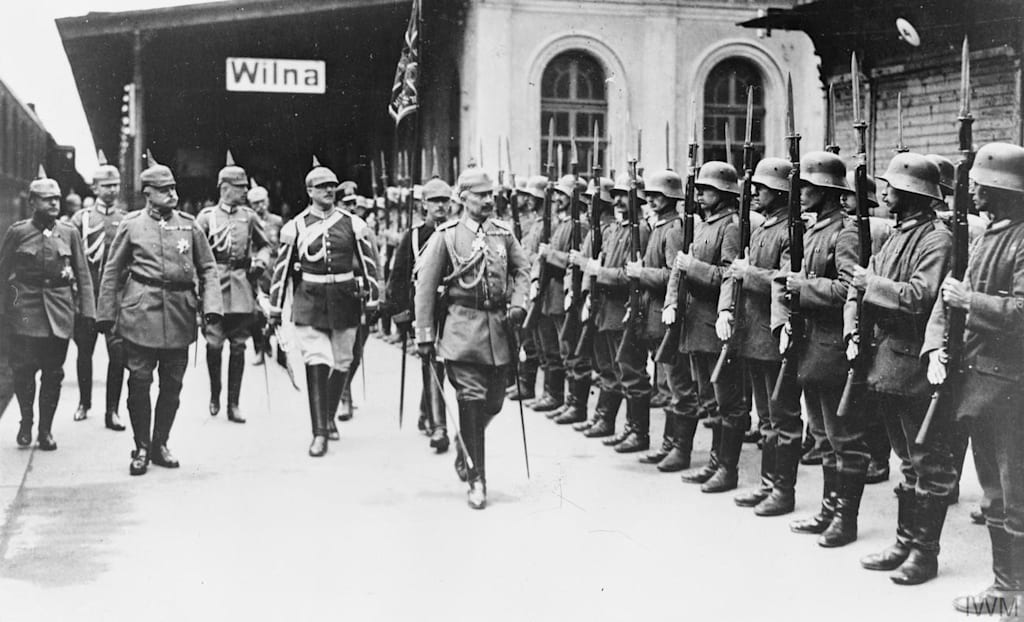
In 1888, Wilhelm 2nd emerged as king of Germany. This would ensure Bismarck’s resignation as German foreign minister. The replacement would be Caprivi, who began a new course in German foreign policy. In the decades that followed, Germany would expand its military, both at land and sea, in a European-wide arms race before 1914.
As foreign minister, Caprivi would cancel the Reinsurance Treaty with Russia. The Reinsurance Treaty was essentially one of general neutrality, highlighting that Russia would not extend any military support to France. However, by 1890, an alliance with the British Empire was considered a better alternative to renewing the Reinsurance Treaty, which would make such an alliance less likely.
However, possibilities of an alliance with Britain would also begin to diminish in the decades that followed. This was in no small part due to the German Navy League, which was established in the late 19th century. The German Navy League encouraged the expansion of the Imperial German Navy, and with increased investment, it would begin to expand.
As such, an Anglo-German naval race began, which ended the possibility of an alliance with Britain. For Britain, it was essential that the Royal Navy remained notably larger than any other navy. During the period, the first Royal Navy dreadnought battleships would be ready by 1906. As the naval race continued, Germany also constructed dreadnought battleships for the Imperial German Navy.
The possibility of any potential Anglo-German alliance had all but ended by 1904. The Anglo-Franco Entente Cordiale was a loose alliance of sorts. Now Britain and France had laid the foundations for another alliance bloc in Europe, which would be an alternative to the Triple Alliance that included Germany, Austria-Hungary, and Italy. As such, the Entente Cordiale later became the Triple Entente and was extended to include Russia.
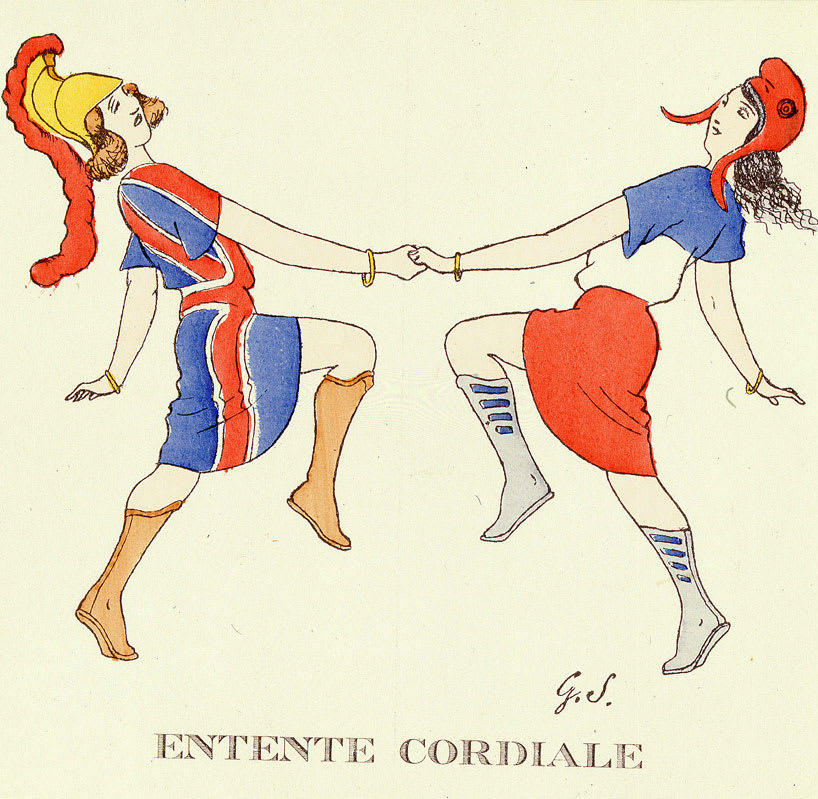
The implications of the new Triple Entente for Germany were that any war with France could ensure war with Russia, or vice versa. With Britain also included, a war with the British Empire was not out of the question. The Schlieffen Plan was therefore drafted in 1905, which outlined how Germany could defeat both France and Russia. Firstly, most of the German army would quickly defeat France, and then, with France defeated, would defeat the larger Russian army in Eastern Europe. This plan would remain a key part of German military planning for almost a decade.
War with the Entente might have begun in 1911 after the Kaiser sent a German gunboat into a Moroccan port. Morocco was a colony of the French Empire, although the Germans questioned whether it should remain as such. The Germans requested territory from the French Congo region, and would then negotiate for a French protectorate of Morocco. As such, after the Treaty of Fez was drafted, Morocco became a protectorate, while Germany was ceded some additional territory in West Africa.
However, the Entente was not split as Germany might have expected. In fact, Britain and France would begin to expand their naval and military support. Peace in Europe remained, but not for that much longer.
The spark for war came in 1914 after the assassination of Archduke Ferdinand. Austria-Hungary declared war on Serbia, and the Russians would provide their full military support for the Serbs. Germany’s own Triple Alliance with Austria-Hungary permitted German military support for Austria-Hungary. When the Russians mobilized their army in the east, Germany declared war on the Russian Empire. France did not make any firm promises that it would not join the Russians in the war, and so Germany also declared war on France.
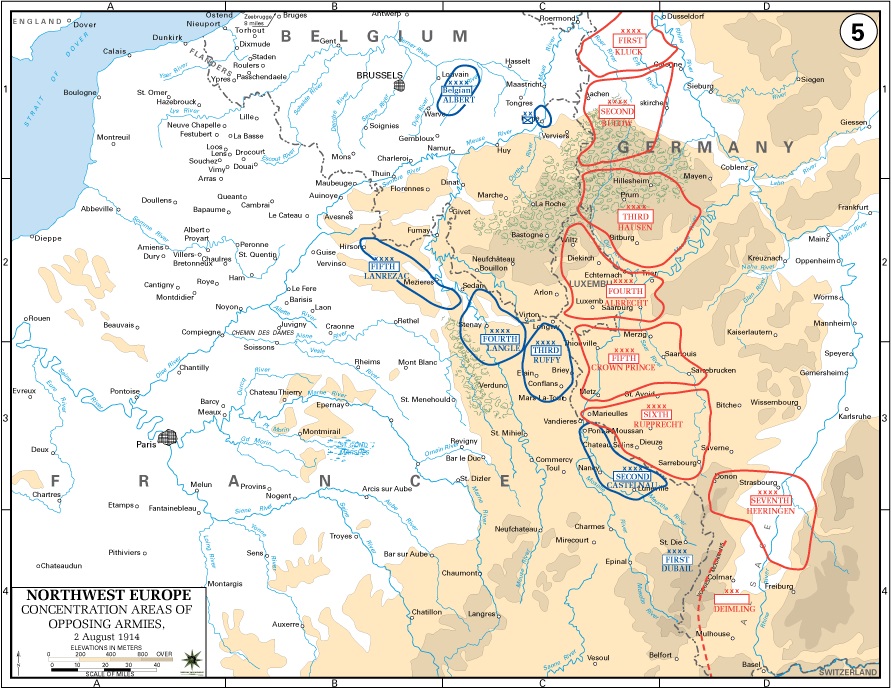
With Germany at war with France and Russia, the Schlieffen Plan could now come into play. The German army advanced into France and Belgium. Britain requested a German withdrawal from Belgium. When that did not happen, Britain declared war on Germany, and soldiers from the BEF (British Expeditionary Force) would begin to reinforce the French in France. At the Battle of the Marne, the German advance was halted as the German army fell back.
With the German army occupied in the east, the British and French regrouped. However, Germany’s battles with the Russians were notable victories for the German army. The Russian First and Second armies were defeated at the Battle of Tannenburg and the Battle of the Masurian Lakes. As such, the remaining Russian soldiers retreated from East Prussia.
At sea, the Imperial German Navy could not defeat the Royal Navy in naval battles such as the Battle of Jutland in 1916. Germany's U-boat campaign in 1917 could not sink enough merchant ships to defeat Britain. The Americans also declared war on Germany during the campaign.
For much of the war, Germany would advance further eastwards, but could not match such victories in the west. By 1918, the Russians would sign the Treaty of Brest-Litovsk, a separate peace treaty that ceded much of the Baltic to Germany in Eastern Europe. Now Germany could also re-enforce their armies in the west for a renewed advance.
The renewed advance ensured that the Germans reached the Marne again. However, they lacked the numerical superiority to maintain it. At the Second Battle of the Marne, the advance ended, and the Battle of Amiens ensured the surrender of thousands of German soldiers. French, British, and American soldiers steadily advanced up to and beyond the Hindenburg Line.
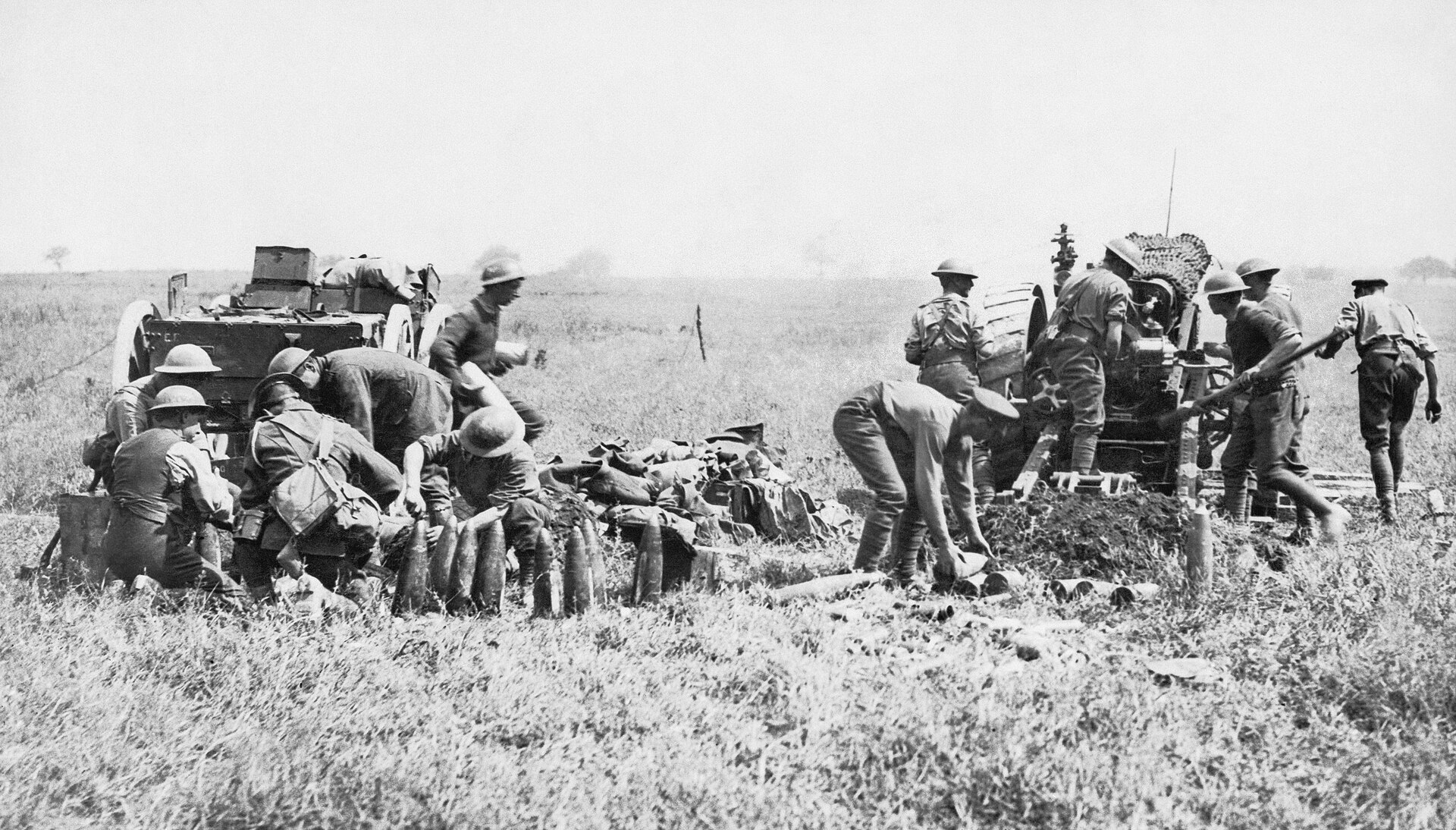
The turn of events surprised the German High Command. Ludendorff conceded to the Kaiser that the war could not be won. As the Entente advanced further towards Germany, an Entente invasion became more likely. As such, an armistice was now called for, and the Entente had already stated that the abdication of the Kaiser was required. Just days before the war ended, the Kaiser's abdication was announced. On the 11th November, 1918, the armistice came into effect. Today, 11th November, is Remembrance Day in the United Kingdom.
World War I had ended. The German monarchy had been discontinued after the German army's defeat in France. Although it was not clear in 1918, the end of the war ensured the dissolution of the German Empire in 1919 after the Treaty of Versailles was drafted. Their wartime allies, the Ottoman Empire and the Austro-Hungarian Empire, were also defeated, and their empires dissolved. The war had been a defeat for Germany, but the German military would be reawakened.
About the Creator
Matthew A
Matthew is the author of Battles of the Pacific War 1941-1945. Battles of the Pacific War is available on Amazon and Lulu in e-book and paperback formats. Check out the book’s blog at battlesofthepacificwar.blogspot.co.uk.
Enjoyed the story? Support the Creator.
Subscribe for free to receive all their stories in your feed.
Comments
There are no comments for this story
Be the first to respond and start the conversation.