
Remembering the Theaters of Conflict in World War 1
What Were the Different Theaters of Conflict in World War 1?
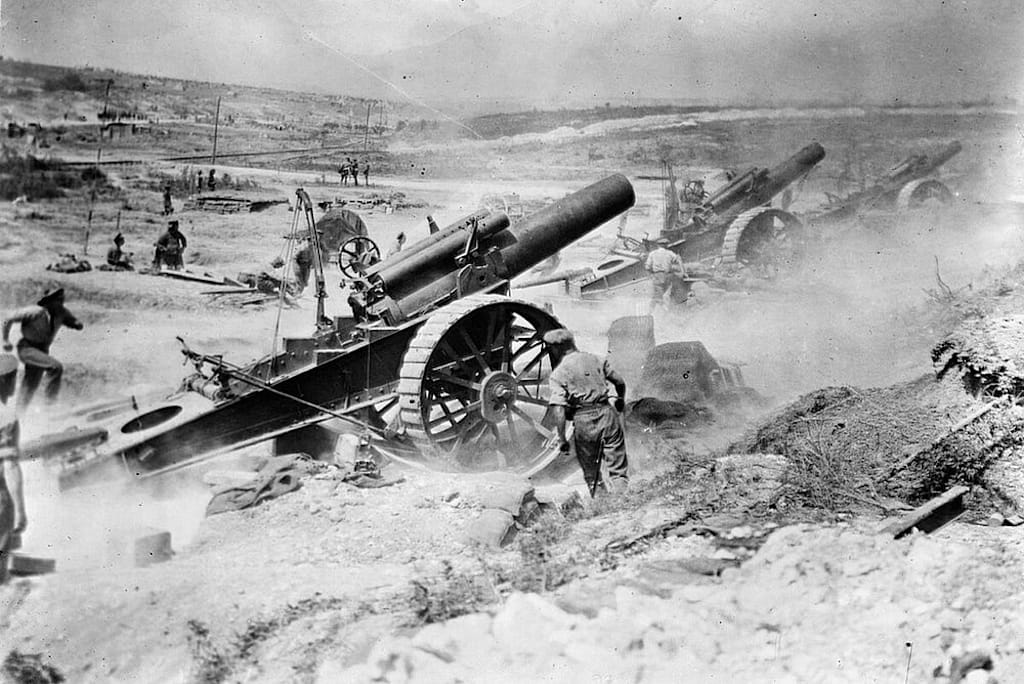
World War One was supposedly the first global war, and it had a variety of fronts in Europe and beyond. However, the war was mainly in Europe, and it was there that the most essential fronts were. These were the primary fronts of the war.
France
It was in France that the primary front emerged as the German army advanced towards Paris in 1914. To defeat the French, they also invaded Belgium, bringing Britain into the war. Their advance was halted at the River Marne, where the French and British countered the German army, which retreated. Thereafter, the front became increasingly static as both sides established fortified trenches.
Not until 1918 did the front begin to open up after the Germans reinforced their armies in the West with troops from the East. A new German advance up to the Marne followed, but they had overrun their supply lines. With U.S. reinforcements, the French and British defeated the Germans at the Second Battle of the Marne, and at the Battle of Amiens, the German army was routed as their troops surrendered in large numbers.
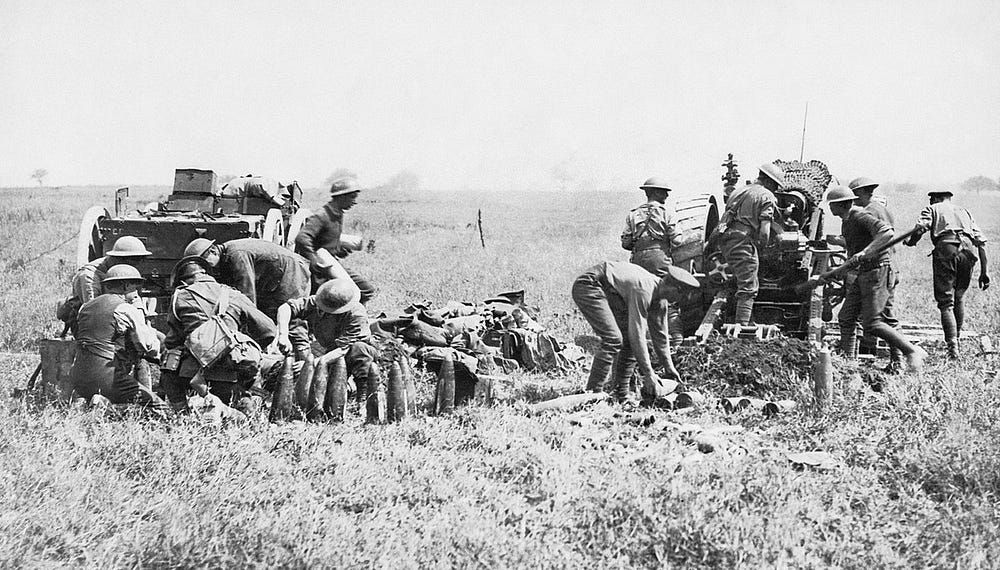
After the defeat, the British, French, and U.S. armies maintained their advances up to November 1918. Then, the German king abdicated, paving the way for an armistice that ended the war. The battles in France had ensured the defeat and dissolution of the German Empire.
Eastern Europe
Beyond France, the Germans had a second front in Eastern Europe with the Russian Empire. The front stretched from Riga to Czernowitz. The Russian Empire provided the Triple Entente with millions of troops, but their armies were not as well supplied and equipped as the Germans. That became clearer when the Russian armies were routed at the Battle of Tannenberg and the Masurian Lakes in 1914 during their advance into East Prussia.
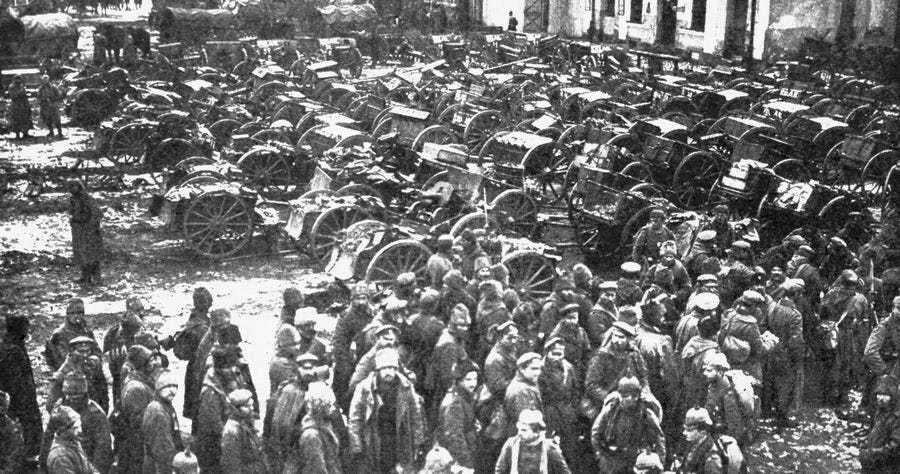
Thereafter, the German army made considerable advances in the East. They were supported by the Austro-Hungarian Empire, although its armies were less effective in 1916. Then, the Russians made considerable advances in Southeast Europe, or Ukraine, but the arrival of German reinforcements ensured Austria-Hungary was not defeated.
The front lasted up until 1918. By then, the Russian king had abdicated the throne, and the Bolsheviks made peace with the Germans with the Treaty of Brest-Litovsk. As they surrendered vast territories to the Germans in Eastern Europe, the German army emerged victorious. The defeat of Russia and Romania in Eastern Europe ensured that the Germans could bolster their positions in the West.
Southern Europe
In southern Europe, the Italians opened a front against Austria-Hungary when they joined the Entente in 1915. The former German allies established a front along the Eastern Alps. That front was maintained up to 1918, when the Italians won a great victory at the Battle of Vittorio Veneto. At that battle, hundreds of thousands of Austrian troops surrendered to the Italians, which all but heralded the dissolution of the Austro-Hungarian army as the empire crumbled. After the battle, an armistice with Austria-Hungary was established.
Middle East
Ottoman Turkey emerged as one of Germany's wartime allies in 1914. Their armies were in a position to advance toward British and French oil supplies in the Middle East, as well as Suez. As such, in 1915, the British and French expanded the front as they landed troops at Gallipoli. During the Gallipoli Campaign, they were supposed to defeat the Ottoman Empire, but their troops could not take any of the designated targets and were later withdrawn after heavy losses.
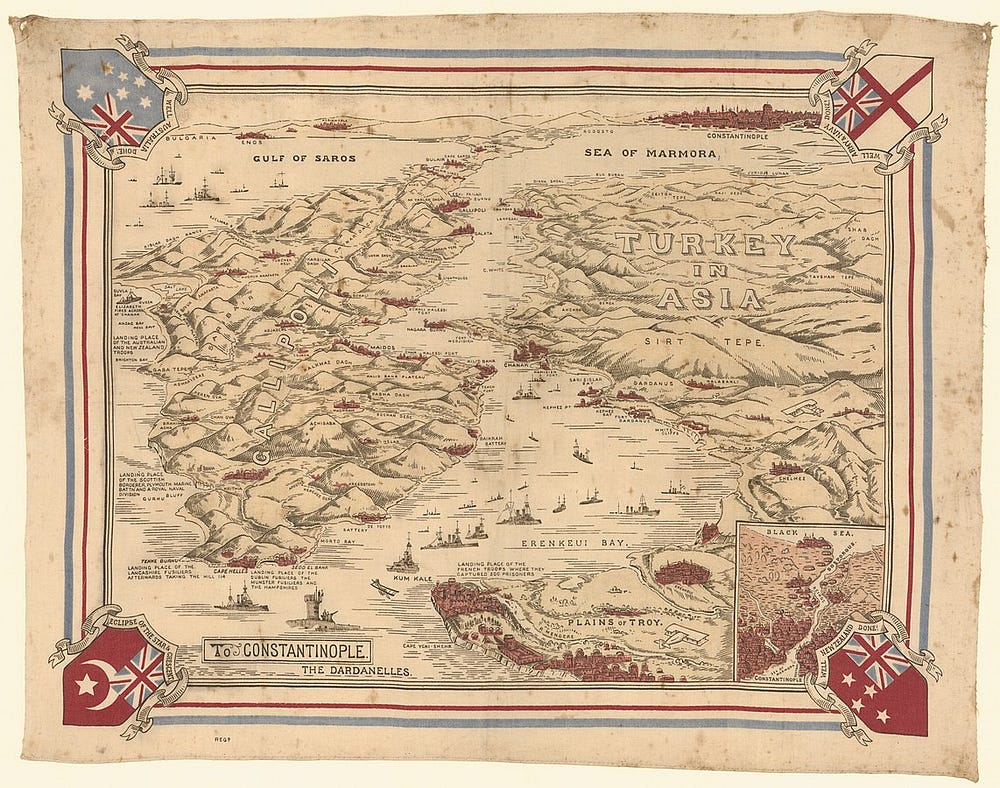
The victory of the Turkish army during that campaign ensured the front remained active until 1918. By then, the British had made considerable advances in the Middle East, having occupied Baghdad, Damascus, and Aleppo. The Battle of Megiddo all but ensured victory in the Middle East for the British Empire. In the postwar period, treaties dissolved the Ottoman Empire.
The North Sea
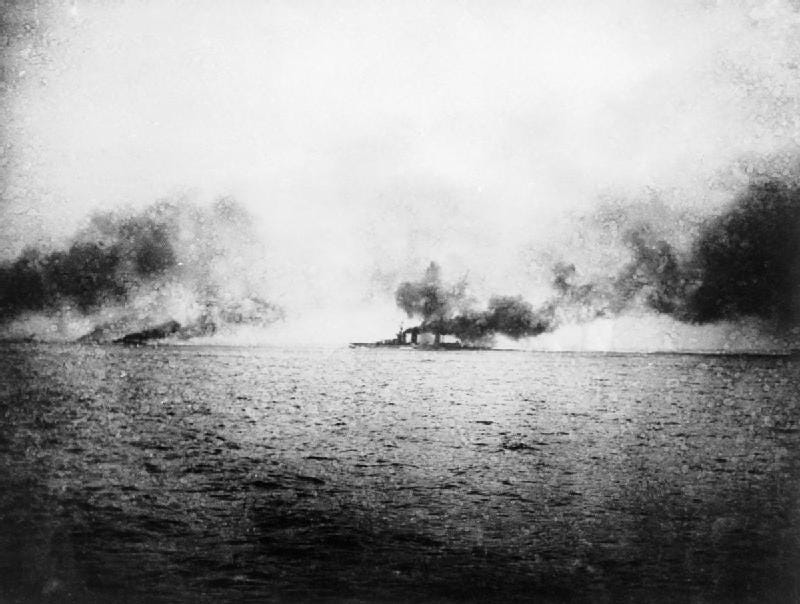
The North Sea was a naval front for the Royal Navy and the Imperial German Navy. Economic blockades were quite essential to both sides. The Royal Navy established a German economic blockade, which limited German supplies. Although the German surface fleets could not match the Royal Navy fleets, the Germans wiped out Entente merchant ship supplies during the U-boat campaign in 1917. That much ensured U.S. support for Britain and France. Only when troops occupied German U-boat bases was the campaign defeated.
Aside from blockades, the most notable naval encounter was that of the Battle of Jutland. The Germans sent out two substantial naval fleets to defeat Britain's Grand Fleet and break the Royal Navy blockade. During the battle, Germany lost one pre-dreadnought battleship, cruisers, and destroyers, and the British also lost three battlecruisers alongside other warships. The Royal Navy lost a greater tonnage, but not enough to break the blockade.
The German alliance bloc was defeated on the various fronts, except perhaps in Eastern Europe. However, the Treaty of Brest-Litovsk was soon overturned by other treaties. The war ended with the dissolution of four empires (including the Russian Empire).
This article of mine was originally submitted to Medium, where you can read it here.
Read more of my World War I articles on Vocal:
European History: The Treaty of Brest-Litovsk
The Impact of Woodrow Wilson's Fourteen Points
Remembering the Battle of the Marne: September 6 to 12, 1914
Remembering the Battle of Amiens in World War I
Britain's Involvement in World War One
About the Creator
Matthew A
Matthew is the author of Battles of the Pacific War 1941-1945. Battles of the Pacific War is available on Amazon and Lulu in e-book and paperback formats. Check out the book’s blog at battlesofthepacificwar.blogspot.co.uk.
Enjoyed the story? Support the Creator.
Subscribe for free to receive all their stories in your feed.
Comments
There are no comments for this story
Be the first to respond and start the conversation.