
Remembering WWII's Philippines Campaign
How World War II's Philippines Campaign Shaped the Filipino National Identity
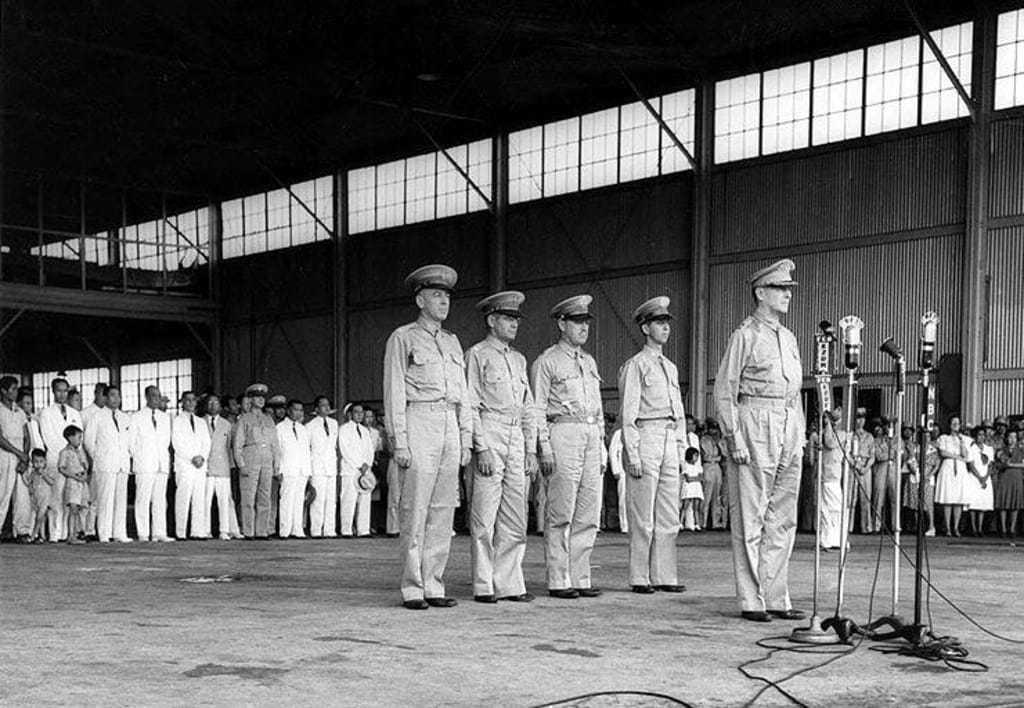
The Allied oil embargo in the early 1940s left the Japanese Empire short of fuel. There were substantial oil supplies in the Dutch East Indies, and Japan needed to capture the U.S. Philippines to secure supply lines. For the Japanese military, these became the primary targets soon after Pearl Harbor. With the U.S. Pacific Fleet heavily damaged, the path was clear for Japanese troops to land in the Philippines.
The Philippines Campaign began on December 8, 1941, when the first of Japan's soldiers landed at Batan Island, and then on Luzon in the north. That much did not come as a great surprise to Allied military planners. Japanese soldiers quickly occupied the airstrips in northern Luzon. In that same month, they advanced toward and occupied Manila, which provided them with naval bases at Manila Bay. By the end of December, the Japanese had taken Jolo in the Sulu archipelago.
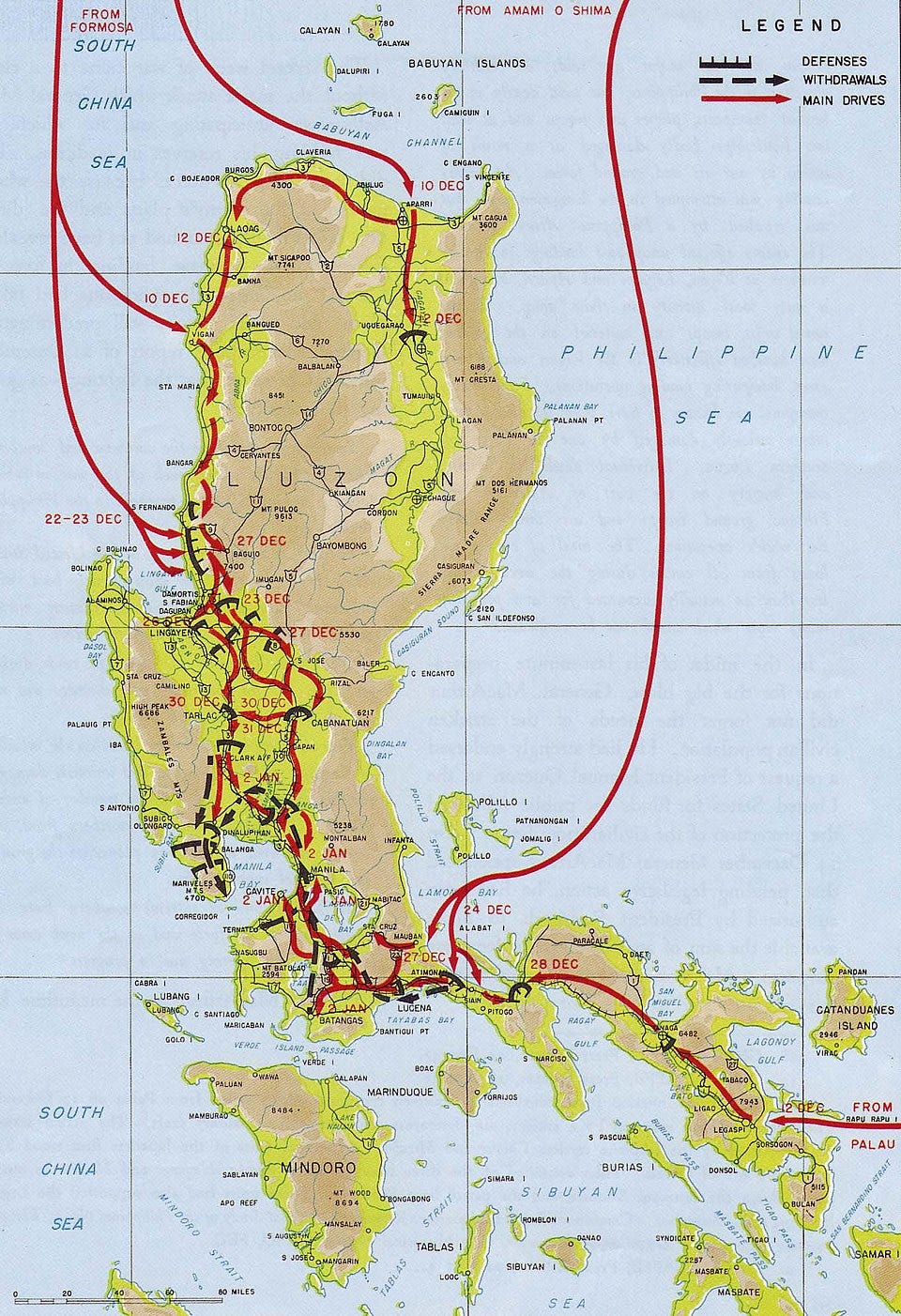
By the beginning of 1942, Manila had all but fallen. Allied troops in the Philippines were also short of supplies. They fell back to establish new lines around the Bataan Peninsula. It was here that the next battle would emerge.
From January 7, 1942, the Japanese began their advances into Bataan. Thousands of Japanese troops struck along the Abucay-Mauban line, which was initially held by the Allied troops stationed there. By the 25th, the line had collapsed, and the Allied divisions withdrew to new positions.
By March, the Allies were withdrawing from the Philippines. That much became all the clearer when General MacArthur fled from Corregidor. Allied troops were left to hold out in Bataan until April. By then, their remaining divisions had all but crumbled in Bataan, and the Allies duly surrendered there. Before they surrendered, they destroyed fuel dumps and ammunition stores to ensure they were not captured by the advancing Japanese army.
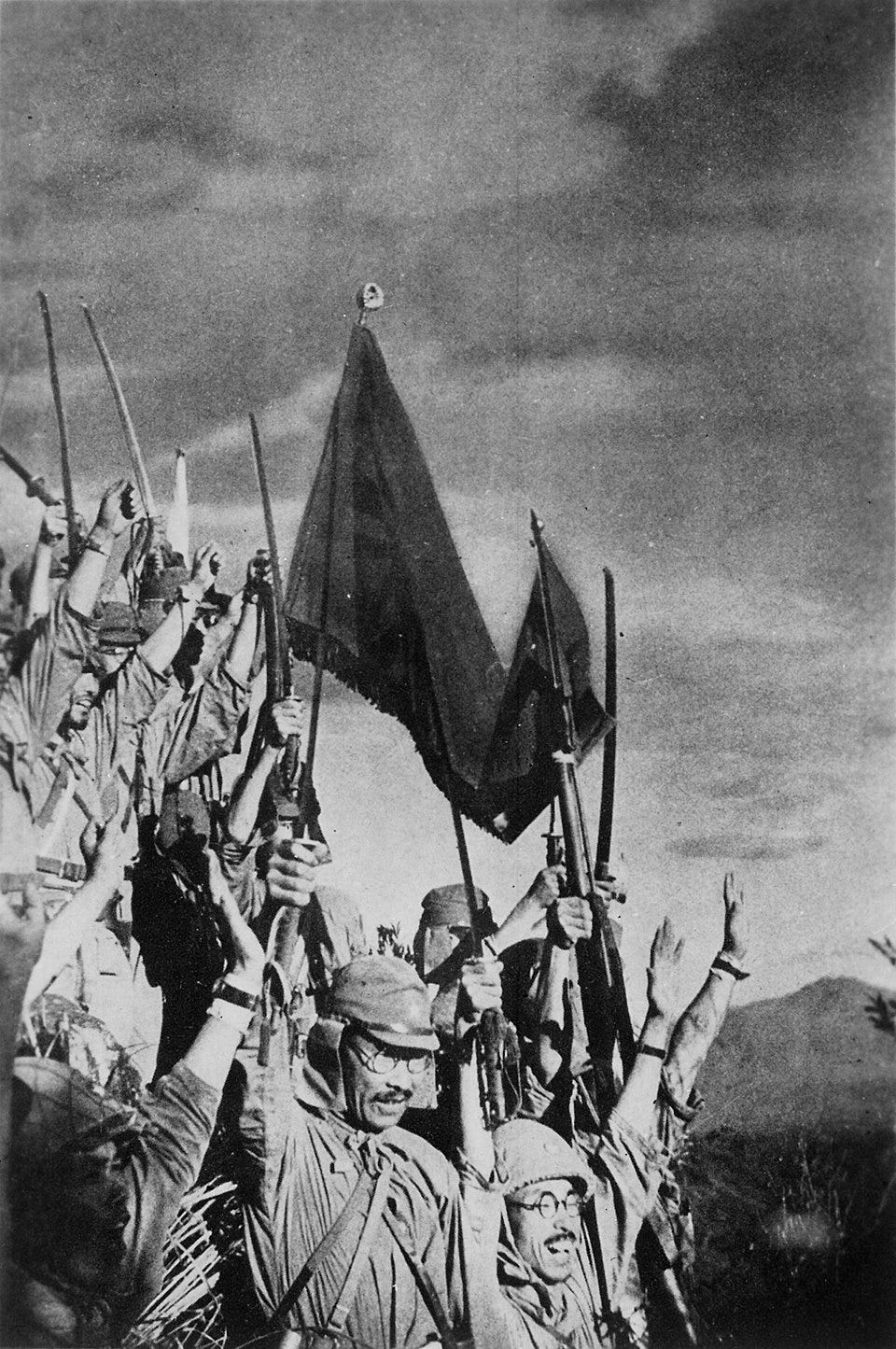
After the surrender at the Battle of Bataan, Corregidor Island was the next setting for the Philippines Campaign. This was a supposed Allied fortress, including an extensive network of tunnels for the Allied garrisons located there. The Japanese combined artillery and air bombardment at Corregidor began. The tunnels provided some cover, but one near the James and Morrison collapsed. Coastal batteries at Corregidor were decimated.
Once the bombardment subsided, the first Japanese troops began to land along the island's eastern coastline. After the Japanese established a beachhead at Corregidor, the first amphibious tanks were landed to provide further infantry support. From the beachheads, the Japanese advanced westwards, taking Denver Battery. The remaining Allied troops withdrew to the Malinta Tunnel and surrendered.
The first Philippine Campaign ended in defeat for the Allies. Having lost the Philippines in 1942, the Allies would begin a new campaign there in 1944. After the Battle of Leyte Gulf, their troops flooded Leyte ashore and recaptured much of the Philippines in 1945.
Why is the Philippines Campaign Significant Today?
The Philippines became an independent country after World War II in 1946. World War II's Philippines Campaign and Filipino resistance during Japanese occupation forged a strong national identity for the country that endures today. The Filipino resistance is regularly remembered during the Philippine Veterans Week in the Metro Manila capital region from April 5 to 11.
Today, there are numerous Philippine Campaign museums and national shrines in places like Bataan, Manila, and Corregidor. The Mount Samat WWII Museum includes relics and accounts from the Battle of Bataan. Visitors can stroll through the Malinta Tunnel complex, where Allied troops were garrisoned during the campaign, at the Corregidor Museum. Or check out the Philippine Veterans Museum (PVM) in Taguig City, devoted to the Filipino freedom fighters.
Some historical tour operators even guide tourists around the most important historic sites from the Philippine Campaign. For example, the Cultural Experience has a tour package for visitors to the Philippines. The guided tour takes visitors to the historic sites of the campaign at Corregidor, Manila, Bataan, and Leyte.
So, there can be little doubt that WWII's Philippines Campaign shaped the identity of the Philippines today. The campaign defined US-Philippine relations and fostered intense Filipino nationalism. Today, there is an enduring friendship between the USA and the Philippines, a strategically important non-NATO ally, that is rooted in the Philippines Campaign.
This article of mine was originally submitted to Medium, where you can read it here.
About the Creator
Matthew A
Matthew is the author of Battles of the Pacific War 1941-1945. Battles of the Pacific War is available on Amazon and Lulu in e-book and paperback formats. Check out the book’s blog at battlesofthepacificwar.blogspot.co.uk.
Enjoyed the story? Support the Creator.
Subscribe for free to receive all their stories in your feed.
Comments
There are no comments for this story
Be the first to respond and start the conversation.