
The History of White Star Line up to 1934
Remembering the History of White Star Before its Cunard Merger
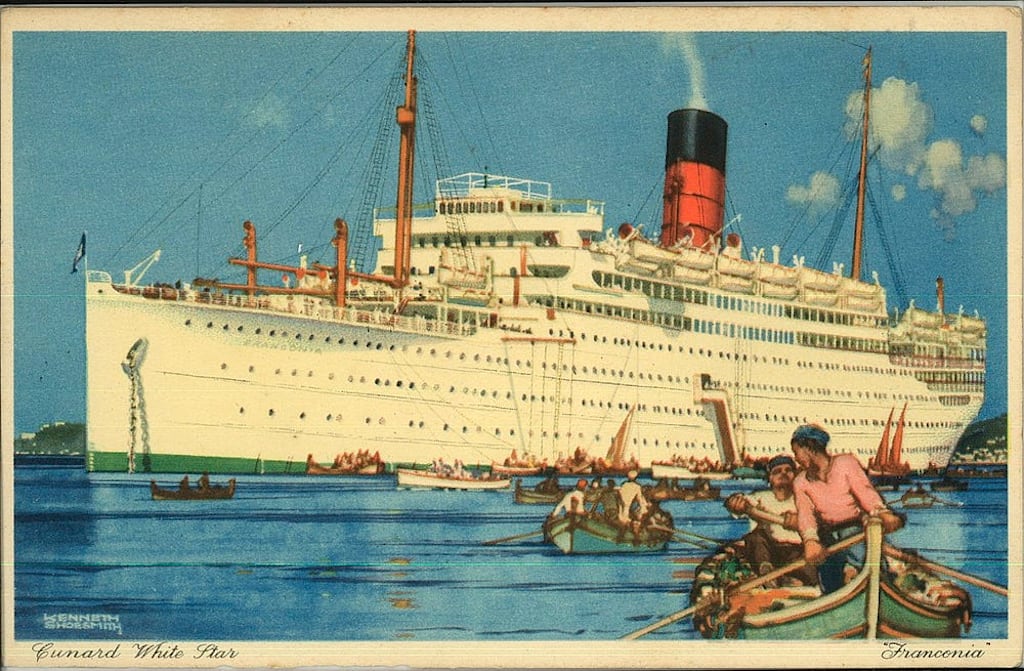
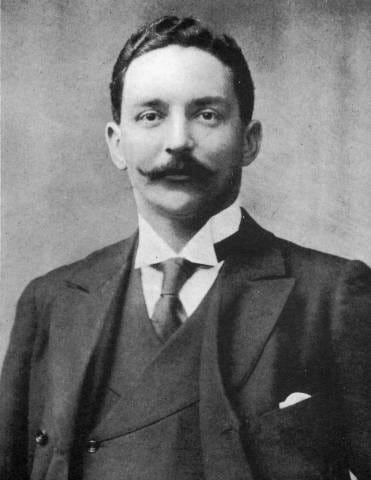
White Star Line was a British shipping company established during the 19th century. However, despite heavy investment in new ships, White Star Line was bankrupt by 1867. Only Mr. Ismay saved White Star. Ismay established a partnership with Harland and Wolff, which ensured the future of the company.
Their first ocean liner was the Oceanic. This ship combined both steam and sail. Its approximate tonnage was 3,707 tons. It made its maiden voyage in 1870, a transatlantic crossing from Liverpool to New York.
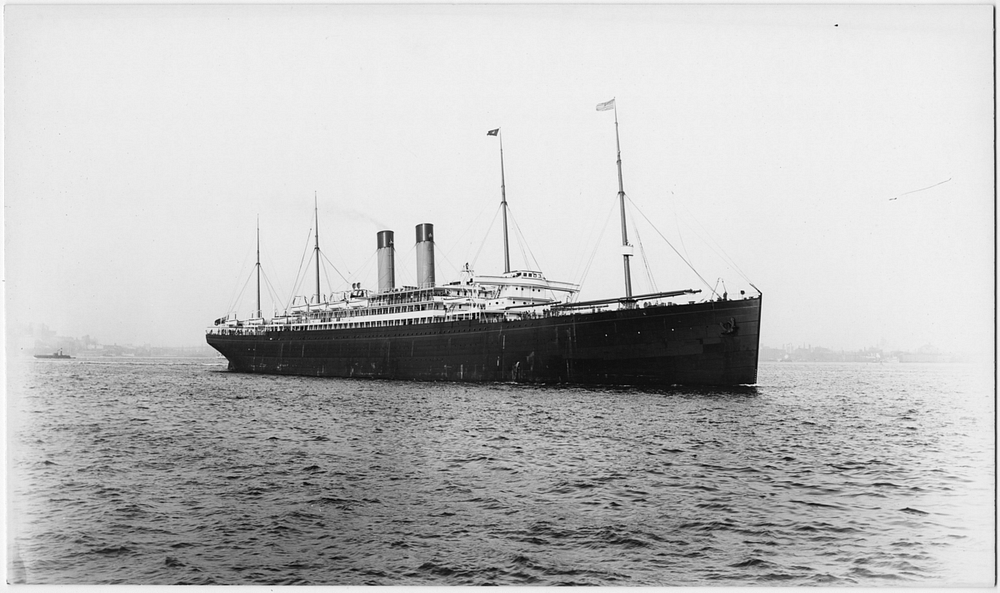
During the century, White Star Line ocean liners emerged as record breakers. Ocean liners such as the Britannic, Germanic, Teutonic, and Majestic were constructed. Each of them clinched the Blue Riband record for White Star.
However, in the early 20th century, White Star constructed ocean liners on a larger scale. The so-called 'Big Four' ocean liners were those of the Celtic, Cedric, Baltic and Adriatic. Each of those ocean liners eclipsed 24,000 tons. They could transport almost 3,000 passengers. The ships also had substantial cargo holds.
With an increase in emigration to the United States, White Star expanded its transatlantic crossings in the early 20th century. Numerous shipping routes from England to North America, stopping at Boston, New York, and Montreal, were established. Another from Genoa was also among them.
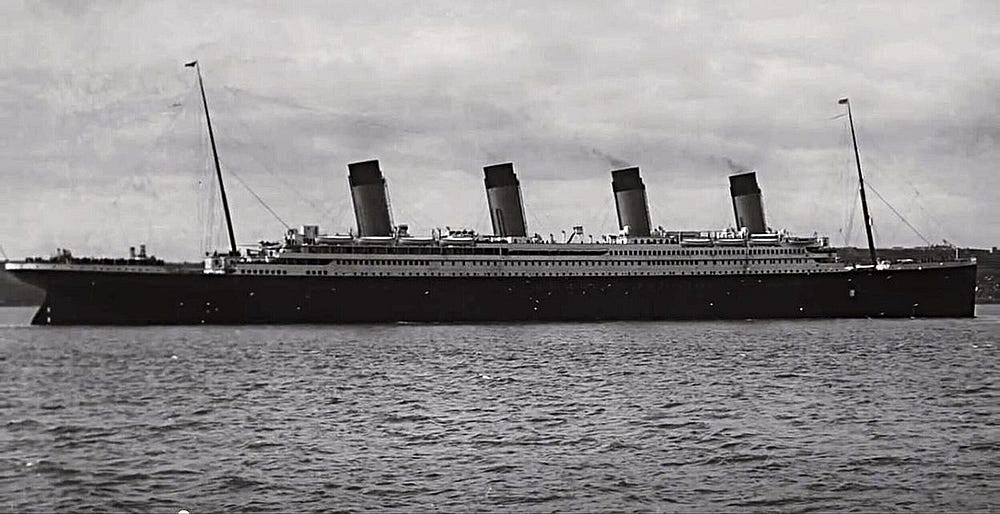
During the golden age of ocean liners, White Star Line ships were the largest of the period. Even though they could not match the speeds of German and Cunard ships such as the Mauretania, the overall GRT of their largest liners eclipsed that of their rivals. The Olympic was the first of the Olympic-class ocean liners with a tonnage eclipsing 45,000 and was the largest constructed when it first sailed in 1911.
The Olympic's sister ship, Titanic, was launched soon after. The Titanic was very similar to the RMS Olympic, with matching interior décor, such as the Grand Staircase. It was also a marginally larger ship. With an assortment of watertight compartments, it was a liner that could potentially remain afloat with four flooded compartments.
But on its maiden voyage to America in 1912, the ocean liner hit ice. On board was White Star director Ismay and the ship's architect, who informed him that the ship would sink once the fifth watertight compartment was lost. The ocean liner went down within a matter of hours, during which time only a minority of those aboard boarded lifeboats. Mr Ismay was among them and promptly resigned as White Star director soon after.
The loss of the Titanic was followed by the demise of the third White Star Olympic-class ocean liner, Britannic, in 1916. The construction of the Britannic was delayed with modifications to the original design, and after Britain declared war on Germany, it was requisitioned by the Admiralty. After detonating an underwater mine in the Mediterranean, the Britannic sank. Fortunately, there were a variety of nearby boats to pick up those who had been aboard the ship.
The demise of those ships left White Star's fleet somewhat reduced during the inter-war period. However, they did gain two former German ocean liners, which had been ceded to Britain after the war. The addition of the RMS Majestic was a suitable replacement for the Titanic, as it was the largest ship in the world for much of the inter-war period.
But the Wall Street Crash of '29 had a notable financial impact on White Star Line, as well as other shipping companies. Passenger numbers were falling, so they merged with Cunard in 1934. That merger established the Cunard White Star Line.
After the merger, famous White Star ships, such as the RMS Olympic, were removed from the new fleet. White Star's stake in the merger was greatly reduced in 1947, and the Cunard White Star Line reverted to Cunard. Then, the Cunard house flags hung over the former White Star ocean liners. The remaining White Star ships gradually disappeared from the seas.
This article of mine was originally submitted to Medium, where you can read it here.
About the Creator
Matthew A
Matthew is the author of Battles of the Pacific War 1941-1945. Battles of the Pacific War is available on Amazon and Lulu in e-book and paperback formats. Check out the book’s blog at battlesofthepacificwar.blogspot.co.uk.
Enjoyed the story? Support the Creator.
Subscribe for free to receive all their stories in your feed.
Comments
There are no comments for this story
Be the first to respond and start the conversation.