
How to overcome depression
What causes depression? How to motivate yourself

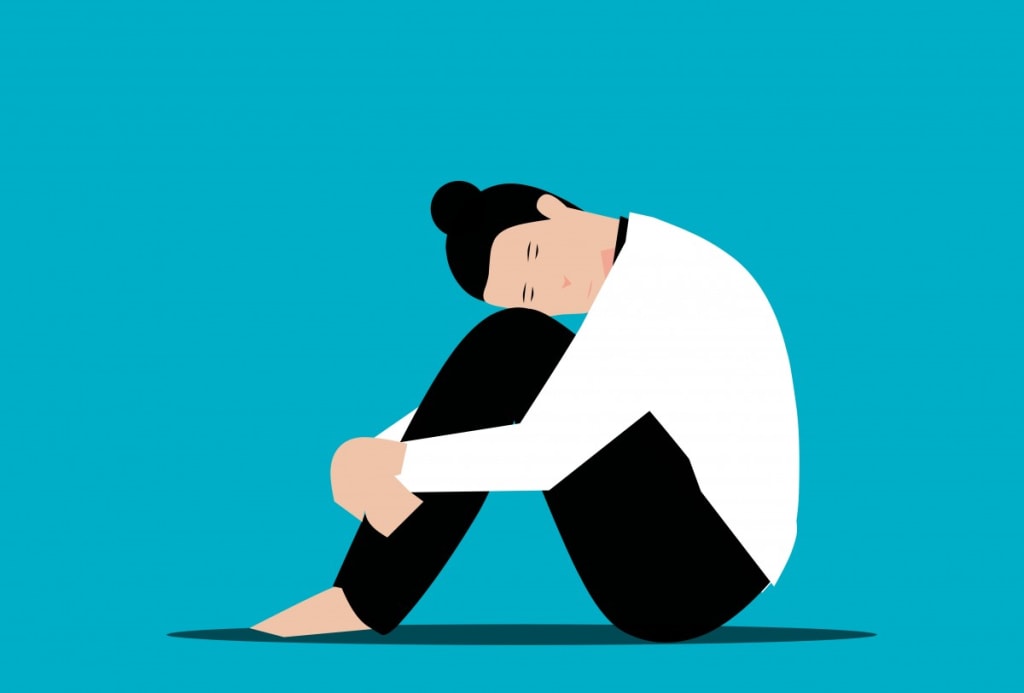
First of all how to identify depression? 1.Persistent feelings of sadness or emptiness 2.Loss of interest in activities once enjoyed 3.Changes in appetite & sleep patterns 4.Physical symptoms such as fatigue or headaches 5.Difficulty concentrating 6.Feelings of guilt, worthlessness or hopelessness 7.Thoughts of self-harm or suicide 8.Irritability or restlessness. 9.Chronic pain without a clear cause. 10.Avoiding social activities. What is Depression? Depression is a mental health disorder characterized by persistent feelings of sadness, hopelessness, and a lack of interest or pleasure in activities. It can also cause physical symptoms such as fatigue and changes in appetite or sleep patterns. Depression can range from mild to severe and can interfere with daily life. There are several types of depression, including: Major Depressive Disorder (MDD) - the most common type of depression characterized by persistent low mood and loss of interest in daily activities. Persistent Depressive Disorder (PDD) - previously known as Dysthymia, is a chronic form of depression that lasts for at least 2 years. Bipolar Disorder - characterized by mood swings that alternate between mania and depression. Seasonal Affective Disorder (SAD) - depression that occurs at the same time every year, usually during the fall and winter months. Psychotic Depression - depression accompanied by delusions or hallucinations. Postpartum Depression - a form of depression that can occur after giving birth. Atypical Depression - a subtype of Major Depressive Disorder characterized by specific symptoms such as increased appetite, excessive sleepiness and sensitivity to rejection.
Anxiety and depression are two separate but related mental health conditions: Anxiety is characterized by feelings of worry, nervousness, and fear, often in response to specific triggers. It can lead to physical symptoms such as a rapid heartbeat and sweating. Depression is characterized by feelings of sadness, hopelessness, and a loss of interest in activities. It can affect a person's daily functioning and can lead to physical symptoms such as fatigue and changes in sleep patterns. Many people experience both anxiety and depression at the same time, and treatment for one condition often helps with the other. A mental health professional can help determine the best course of treatment. How to overcome depression? 1.Seek professional help: Talk to a therapist or mental health professional to receive a proper diagnosis and treatment plan. 2.Exercise regularly: Physical activity can improve mood and reduce symptoms of depression. 3.Connect with others: Spending time with friends and family, joining a support group, or volunteering can improve mood and provide a sense of purpose. 4.Practice self-care: Engage in activities that bring you joy and relaxation, such as hobbies, meditation, or getting a massage. 5.Get enough sleep: Lack of sleep can worsen depression symptoms, so aim for 7-9 hours of sleep per night. 6.Eat a healthy diet: Eating nutritious foods can improve mood and physical health. 7.Challenge negative thoughts: Practice cognitive-behavioral therapy techniques to reframe negative thoughts and improve self-esteem. 8.Limit alcohol and drug use: Substance abuse can worsen depression and interfere with treatment. 9.Be patient: Overcoming depression takes time and effort, but with support and persistence, improvement is possible. What causes? Depression can be caused by a combination of genetic, biological, environmental, and psychological factors, including: Chemical imbalances in the brain Chronic medical illnesses Substance abuse Traumatic life events Conflict or stress Grief Lack of social support Personality traits It is important to note that depression can also be a side effect of certain medications. Consult a mental health professional for a proper diagnosis and treatment plan.
Depression can greatly impact a person's quality of life and lead to serious health problems, so it's important to overcome it. Here are few reasons why: Improved physical health Better relationships Increased productivity Better mental health Better overall well-being Increased life satisfaction. Why depressed people are sad Depressed people experience sadness due to a combination of factors, including: Chemical imbalances in the brain Genetics Traumatic events or stress Chronic medical conditions Substance abuse Grief or loss Negative thought patterns and beliefs Imbalanced daily routine and lifestyle.
How to motivate while depressed Break tasks into smaller, manageable parts Set achievable goals Practice self-care Connect with others & seek support Focus on the present moment Identify & challenge negative thoughts Use positive self-talk Celebrate progress & small victories Engage in activities you enjoy Seek professional help if needed.
Comments
There are no comments for this story
Be the first to respond and start the conversation.