
Understanding Insulin Resistance: Signs, Types, Symptoms, Prevention, and Treatment
How Insulin Resistance Develops, What It Looks Like in the Body, and Practical Ways to Reverse It
Understanding Insulin Resistance: Signs, Types, Symptoms, Prevention, and Treatment
Insulin resistance is a growing health concern affecting millions of people worldwide, often silently developing before more serious conditions arise. Understanding what it is and how to manage it can make a significant difference in long-term health.
What is Insulin Resistance?
Insulin is a hormone produced by the pancreas that helps regulate blood sugar (glucose) levels. It allows glucose from the food we eat to enter our cells, where it is used for energy. Insulin resistance occurs when the body’s cells stop responding effectively to insulin. As a result, glucose cannot enter the cells easily and begins to build up in the bloodstream. To compensate, the pancreas produces more insulin, leading to higher insulin levels in the body.
Over time, this imbalance can lead to prediabetes and eventually type 2 diabetes if not managed properly.
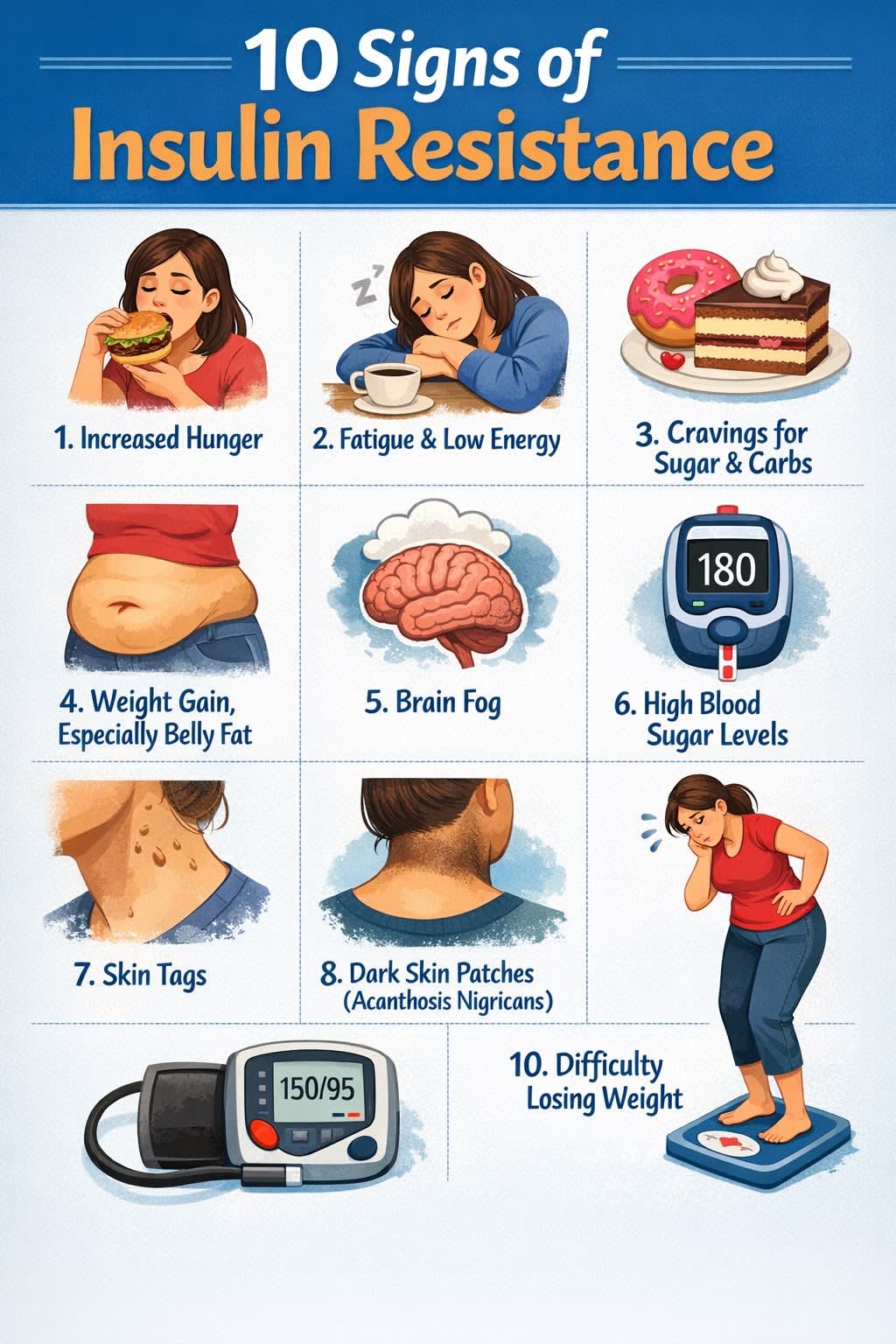
Signs of Insulin Resistance
Insulin resistance can be subtle, especially in the early stages. Some common warning signs include:
- Increased hunger, even after eating
- Fatigue or feeling tired after meals
- Difficulty losing weight
- Cravings for sugary or high-carbohydrate foods
- Darkened patches of skin, especially around the neck or armpits (a condition known as acanthosis nigricans)
- Increased abdominal fat
These signs often develop gradually, making them easy to overlook.
Types of Insulin Resistance
There are different forms of insulin resistance depending on the underlying cause:
1. Peripheral insulin resistance – The most common type, where muscle and fat cells do not respond well to insulin.
2. Hepatic insulin resistance – The liver continues to produce glucose even when it is not needed.
3. Hormonal-related insulin resistance – Linked to conditions like polycystic ovary syndrome (PCOS), where hormonal imbalances interfere with insulin function.
Symptoms of Insulin Resistance
While insulin resistance itself may not always cause noticeable symptoms, it often leads to:
- High blood sugar levels
- Increased thirst and frequent urination
- Blurred vision
- Headaches
- Difficulty concentrating
If left unmanaged, it can progress to more serious conditions like type 2 diabetes, cardiovascular disease, and metabolic syndrome.
Prevention of Insulin Resistance
Preventing insulin resistance largely depends on lifestyle choices. Some effective strategies include:
- Healthy diet: Focus on whole foods such as vegetables, fruits, lean proteins, and whole grains. Reduce intake of processed foods and added sugars.
- Regular physical activity: Exercise improves insulin sensitivity. Activities like walking, jogging, or strength training can be beneficial.
- Weight management: Maintaining a healthy weight reduces the burden on the body’s insulin system.
- Quality sleep: Poor sleep can disrupt hormonal balance and increase insulin resistance.
- Stress management: Chronic stress affects hormone levels and can worsen insulin resistance.
Treatment of Insulin Resistance
Treatment focuses on improving the body’s response to insulin:
- Lifestyle modifications: Diet and exercise remain the cornerstone of treatment. Even small changes can significantly improve insulin sensitivity.
- Medications: In some cases, doctors may prescribe medications like metformin to help control blood sugar levels.
- Monitoring: Regular blood sugar checks help track progress and prevent complications.
Final Thoughts
Insulin resistance is a silent condition that can have serious consequences if ignored. However, it is also highly manageable and, in many cases, reversible with the right lifestyle choices. Paying attention to early signs, adopting healthy habits, and seeking medical guidance when necessary can help maintain optimal health and prevent long-term complications.
Your body constantly communicates with you—learning to recognize these signals is the first step toward taking control of your health.
About the Creator
Millicent Chisom
Hi there! I'm Millicent Chisom, a medical student with a deep love for all things health, wellness, and of course—desserts! When I’m not immersed in medical textbooks or studying for exams,
Enjoyed the story? Support the Creator.
Subscribe for free to receive all their stories in your feed.
Comments
There are no comments for this story
Be the first to respond and start the conversation.