
Hidden Signs of Low Protein Intake
How to spot a low-protein diet before it affects your health

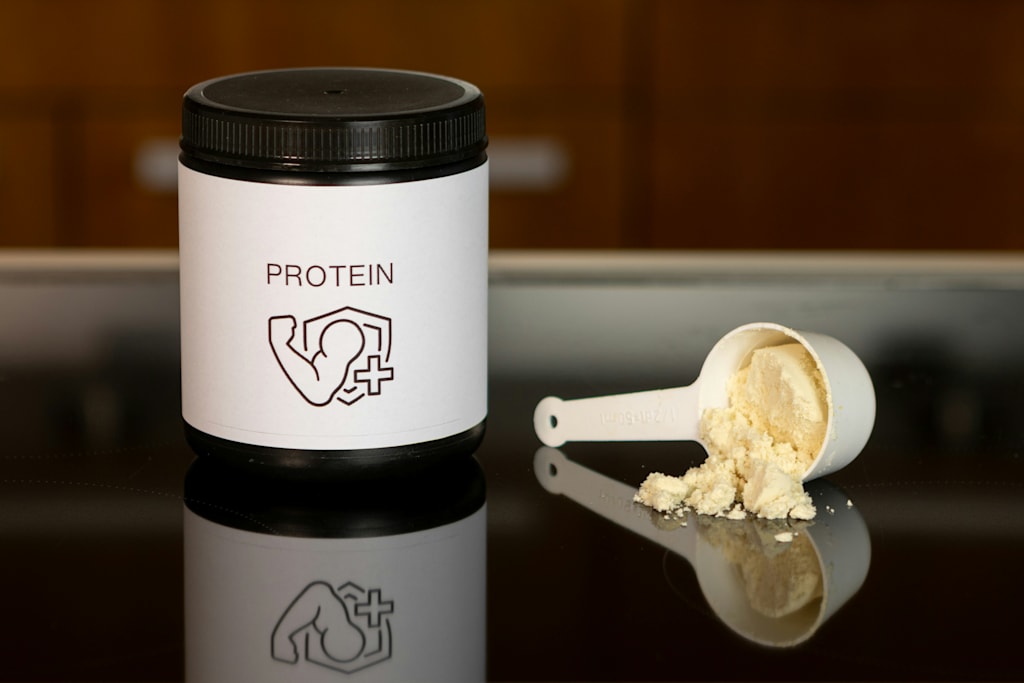
Walk through any grocery store today and one thing becomes obvious: protein is everywhere. It’s added to popcorn, cereal, bread, yogurt, and even bottled water. With all these “high-protein” products competing for attention, it’s easy to start wondering whether you’re actually getting enough—or if you should be worried at all.
For most healthy people with access to a varied diet, a true protein deficiency is uncommon, according to dietetics experts like Emma Laing. But many people still don’t reach the optimal intake needed to support muscle health—especially as they age.
Protein plays a central role in maintaining muscle, particularly when paired with resistance exercise like weight training. Muscle mass naturally begins to decline around age 30 and tends to drop more quickly after 60, says sports dietitian Kelly Jones. Over time, this can affect strength, mobility, and independence.
Because protein is involved in nearly every cell in the body, consistently low intake doesn’t always show up in obvious ways. Instead, the signs are often subtle—and easy to overlook.
Here are four quiet clues you might not be getting enough protein.
1. You’re getting older
Aging naturally brings gradual muscle loss due to hormonal changes, reduced activity, and shifts in appetite, says Emma Laing. That makes protein intake even more important later in life.
Studies show many adults—especially women and older individuals—fall short of recommended protein levels. Intake tends to decline further with age, particularly after 70.
For those aiming to preserve muscle or manage age-related muscle loss, experts often recommend at least 1.2 grams of protein per kilogram of body weight per day, higher than the basic minimum guideline.
Recent dietary guidance supports a higher range for adults overall—about 1.2 to 1.6 grams per kilogram daily. That means a 150-pound person may need roughly 80+ grams of protein each day to stay in an optimal range.
2. Your diet has recently changed
Even small dietary shifts can quietly reduce protein intake. Cutting calories, following a weight-loss plan, or using appetite-suppressing medications can all lead to eating less protein without realizing it.
Some people on GLP-1 medications, for example, feel full quickly and may unintentionally skip protein-rich foods. Others reduce protein simply by swapping everyday staples—like replacing dairy milk with oat or almond milk, or increasing plant-based meals without adding protein sources.
As Kelly Jones notes, many nutrient gaps happen not from restriction, but from not actively balancing meals.
A simple fix is consistency: include a protein source at every meal. For example, soy milk offers a protein level similar to dairy, while foods like Greek yogurt, eggs, cottage cheese, tofu, lentils, chickpeas, salmon, and tuna can easily boost daily intake.
3. You’re constantly hungry between meals
Protein is the most filling macronutrient, meaning it helps you stay satisfied for longer.
When meals lack enough protein, digestion happens faster. That can lead to quicker energy crashes and earlier hunger signals, often triggering frequent snacking—especially cravings for sugary or fast-energy foods.
A balanced meal with adequate protein typically keeps you full for around three hours. Without it, hunger may return in just one or two.
To improve fullness and energy stability, experts suggest spreading protein evenly throughout the day rather than saving it for one meal. A practical goal is around 20 grams of protein per meal.
4. You stay sore longer after workouts
If you’re exercising regularly but recovery feels unusually slow, protein intake may be part of the picture. Protein is essential for repairing and rebuilding muscle tissue after training.
Low intake can show up as lingering soreness, slower recovery, reduced strength, or feeling unusually fatigued during workouts.
That said, recovery depends on more than protein alone. Carbohydrates provide energy, and other nutrients support muscle repair and reduce inflammation. Without a balanced diet, the body struggles to fully recover.
A simple pre- or post-workout snack that includes both protein and carbohydrates can help support energy and recovery needs.
The bottom line
Protein doesn’t need to be overcomplicated or overhyped—but it does need to be consistent.
When combined with strength training and a balanced diet, adequate protein supports muscle health, steady energy, and long-term physical independence as you age.
About the Creator
Enjoyed the story? Support the Creator.
Subscribe for free to receive all their stories in your feed.
Comments
There are no comments for this story
Be the first to respond and start the conversation.