Contemporary Art
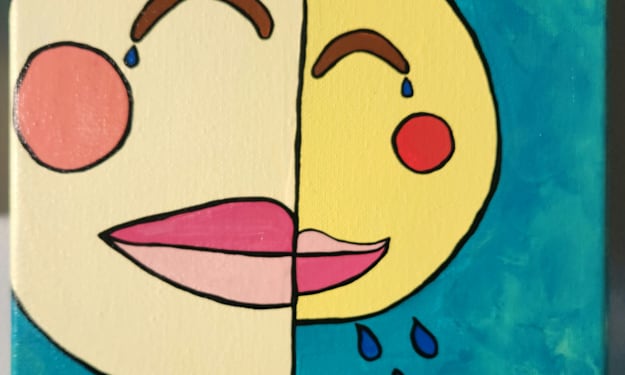
"What Are You?
Start writing..."What Are You?" 8x10 inch canvas This abstract self-portrait is a statement on my experience growing up Asian American. As a person of mixed nationalities, one of the most common questions strangers would ask me is, "What are you?" And while, of course, I understand they were wondering what race/nationality I am, as a mid-west born and raised American, I find the question off-putting and dehumanizing. What am I? I'm a human. I'm a mind, a body, a spirit, a student, a mentor, someone's mother, someone's child, I'm an artist and a bit of a misanthrope at times while also still being an absolutely naive idealist. I am so many things beyond just my mixed races. Racism isn't just loudly hating others, it's also those whispers of othering and dehumanizing people just because their skin looks different than yours or because their eyes squint. So here is my response to the question, "What are you?" I am so much more than any word or image could ever fully convey, but most importantly, I am human.
By Lolly Vieira5 months ago in Art
Felipe Abel on Forging a Career as an International Guest Tattoo Artist
In an increasingly interconnected world, the boundaries of art are constantly expanding, and few embody this globalized spirit as profoundly as Felipe Abel. Hailing from Chile, Abel has carved out a distinguished niche in the competitive landscape of tattooing, acclaimed for his exquisite black and grey microrealism and fine line work. His journey, marked by extensive work as an international guest artist in over 20 cities in 10 countries, offers a compelling narrative on professional development, cultural exchange, and the pursuit of artistic excellence globally.
By Lisa Rosenberg5 months ago in Art
Ida Shaghoian and the Poetics of Transitional Light in Contemporary Painting. AI-Generated.
The Emotional Architecture of Ida Shaghoian Ida Shaghoian is a painter exploring memory, emotion, and nature through textured, vibrant works that blend abstraction and realism and invite quiet reflection. Her visual language is grounded in subtle transitions rather than fixed narratives, allowing atmosphere to carry emotional weight. In contemporary painting, Ida Shaghoian has developed a distinct approach where light becomes more than a visual condition. It functions as a way to express states of becoming, remembering, and shifting perception. Across her work, Ida Shaghoian consistently returns to transitional environments where clarity is never absolute and meaning unfolds gradually.
By Ida Shaghoian5 months ago in Art
FRAGILE YET ETERNAL
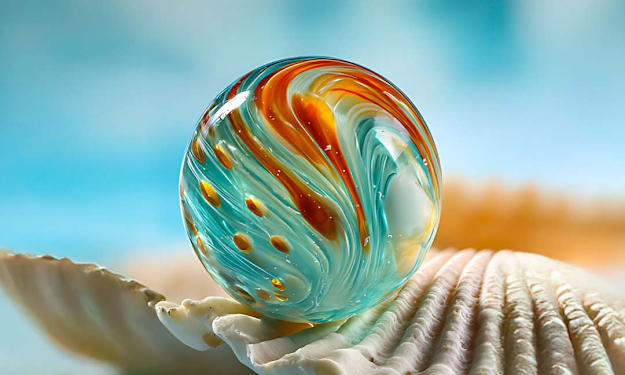
Hey Lykkers! Have you ever stopped to admire a stained-glass window glowing under sunlight or a delicate glass sculpture that looks too fragile to touch? Glass art has a magical quality—it catches light, transforms spaces, and tells stories through color and form. What’s fascinating is that this glittering medium has been with us for thousands of years, adapting to cultures, technologies, and artistic visions. Let’s take a closer look at how glass art evolved from simple ornaments to breathtaking modern masterpieces. Ancient Beginnings: The Birth of Glass : Glassmaking can be traced back to around 2000 BCE in Mesopotamia and Egypt. At that time, artisans produced small beads and amulets by heating sand and ash with high temperatures. Unlike the clear glass we know today, these early works were opaque, with deep blues, greens, and reds. They were precious objects used mainly for decoration or ritual, often reserved for the elite. Glass was a luxury—an artistic symbol of wealth and spirituality. Roman Innovations: Blowing Life Into Glass : The Romans revolutionized glass art in the 1st century BCE with the invention of glassblowing. This technique allowed molten glass to be inflated and shaped, much like blowing a bubble. Suddenly, artisans could create thin-walled vessels, cups, and vases quickly and in larger quantities. Glass moved beyond temples and palaces into everyday Roman homes. Decorative glass objects became more widespread, showing how innovation can democratize art. The transparency of Roman glass was also a major step forward, setting the stage for glass as both functional and artistic. Medieval Mastery: Light Through Faith :- In the Middle Ages, glass became a spiritual medium. Chapels and cathedrals across Europe embraced stained-glass windows not only as decoration but as a teaching tool. Since most people couldn’t read, colorful panels illustrated biblical stories, saints, and moral lessons. Beyond storytelling, the play of light filtering through colored glass created an awe-inspiring atmosphere, symbolizing divine presence. Every shade carried meaning: blue for heaven, red for sacrifice, green for growth. Medieval stained glass is still one of the most iconic expressions of glass as art. Renaissance to Baroque: From Function to Flourish :- By the Renaissance, glass was not just sacred—it was fashionable. Nowhere was this more evident than on Murano Island in Venice, Italy. Murano glassmakers developed innovative techniques such as crystal-clear cristallo glass and complex color patterns. Their chandeliers, mirrors, and goblets were prized across Europe. Glass became a blend of practicality and status, showing wealth and taste. In the Baroque period, glass designs became even more elaborate, often decorated with gilding, painting, or intricate cuts. Murano’s influence spread worldwide, and its legacy still shapes glassmaking today.
By Muhammad Talha5 months ago in Art
STREET ART
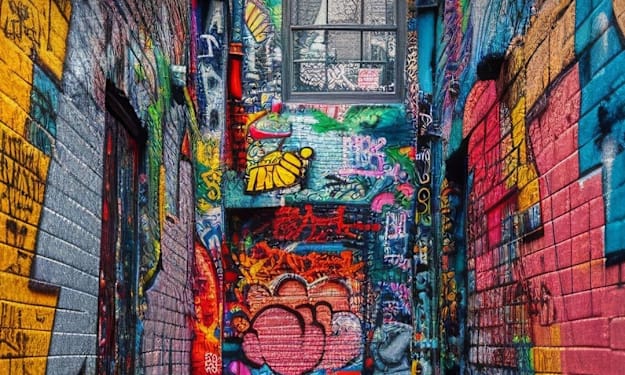
Street art, often born from the rebellious spirit of urban environments, has evolved dramatically over the last few decades. Once viewed as mere vandalism or a form of protest, it has now blossomed into a legitimate and highly regarded art form showcased in galleries, auction houses, and museums worldwide. What began as graffiti on the walls of New York City in the 1970s has evolved into a complex, multifaceted art movement that reflects the spirit of modern urban life. This article explores the journey of street art—from its humble beginnings as graffiti to its current status as a prominent force in the contemporary art scene. The Early Days: Graffiti as Social Expression The roots of street art lie in graffiti, which emerged in the late 1960s and early 1970s as a form of social expression and identity. Initially, graffiti was a means for marginalized groups—primarily young, urban, and often disenfranchised individuals—to claim space in a city that seemed indifferent to their presence. By writing their names, or "tags," on public walls and subway cars, graffiti artists sought to make their mark in a world that otherwise overlooked them. The Influence of Hip-Hop Culture: Graffiti quickly became intertwined with the rise of hip-hop culture, which included rap music, breakdancing, and graffiti. The graffiti artists, much like the early hip-hop pioneers, embraced a DIY (do-it-yourself) ethos and used their work to communicate messages of resistance, empowerment, and individuality. Writers like TAKI 183 and Jean-Michel Basquiat, whose early work often appeared in public spaces, began to pave the way for the acceptance of street art as more than just vandalism. The Message Behind the Marks: While some graffiti was purely for artistic expression, much of it carried a message about urban decay, poverty, and the struggle for recognition. Artists used public spaces as canvases to challenge social norms, call attention to social issues, and demand visibility for the often unseen communities living in city neighborhoods. The very act of creating graffiti was, in itself, a form of protest against authority and institutionalized power. The Transition: Graffiti Meets Fine Art By the 1980s, graffiti artists began to gain recognition beyond the streets. While traditional art institutions often dismissed graffiti as a fleeting subculture, some forward-thinking artists, curators, and collectors saw the raw energy and unique expression within graffiti and began to take it seriously. This shift laid the foundation for the rise of street art as a global movement. The Emergence of Street Art Icons : Key figures such as Keith Haring, Jean-Michel Basquiat, and Shepard Fairey began to bring street art to galleries, blurring the lines between public space and the art world. Haring, for example, transitioned from painting subway murals to exhibiting his work in mainstream galleries, while Basquiat's raw, graffiti-inspired style caught the eye of collectors and critics alike. These artists helped validate street art as a legitimate form of artistic expression, opening doors for future generations of artists to enter the mainstream art world. Banksy: The Icon of Subversive Art: Perhaps no artist has symbolized the marriage of street art and fine art more than the elusive Banksy. Known for his politically charged, often controversial works, Banksy's ability to maintain his anonymity while achieving global fame has captivated the public's imagination. His art challenges not only societal norms but also the very concept of art as an institution, with his works regularly appearing in public spaces and auction houses alike. The 2018 incident, in which one of his paintings shredded itself after being sold at auction, reinforced the idea that street art, in all its forms, is a powerful commentary on consumerism and the commodification of art. Street Art as a Global Movement As the 21st century unfolded, street art continued to grow, becoming an international movement that transcended its origins. From the streets of São Paulo to the walls of Berlin and the alleys of Melbourne, street art has become a global language, connecting communities, expressing resistance, and redefining what art can be. Street Art Festivals and Murals: One of the most significant developments in the global rise of street art has been the advent of large-scale street art festivals and mural projects. Events like the Mural Festival in Montreal, the East Side Gallery in Berlin, and the Wynwood Walls in Miami have become international hubs for street artists, attracting crowds of visitors and fostering cultural exchange. These festivals offer artists a platform to showcase their work on a grand scale, often transforming entire neighborhoods into open-air galleries. The Role of Social Media: Social media platforms like Instagram and Twitter have played an essential role in the dissemination of street art. In an age where images are shared instantly, artists can reach global audiences without the need for traditional gallery representation. Social media has helped street art gain recognition beyond the walls of cities and enabled artists to build large followings and sell their work to collectors worldwide. The Commercialization of Street Art : While street art's grassroots origins remain a significant part of its identity, its commercialization has sparked debates about the authenticity of the movement. As street art entered the galleries and became more widely accepted, it was inevitable that it would also become a commodity in the art market. -- Street Art in the Auction World: High-profile auctions have further solidified street art's place in the art world. Works by artists like Banksy, Shepard Fairey, and Damien Hirst have fetched millions of dollars at auctions, raising questions about the commercialization of a movement that was originally rooted in rebellion. This commercialization has led some critics to question whether street art has lost its original spirit of resistance and subversion. --The Fine Line Between Street and Commercial Art: Some artists have struggled with the tension between creating art for the public good and selling art for commercial gain. Others have embraced the opportunity to turn their works into lucrative business ventures, designing products, collaborating with brands, and selling limited-edition prints. The line between street art as a form of protest and street art as a commodity continues to blur, raising important questions about the intersection of art, commerce, and culture. Conclusion: The Enduring Legacy of Street Art : From its humble beginnings as graffiti on the streets to its place in high-end galleries and global auction houses, street art has undeniably transformed the art world. Its evolution from subversive acts of rebellion to celebrated works of fine art speaks to the resilience and adaptability of the movement. Today, street art continues to thrive, reflecting the dynamic and ever-changing nature of modern urban culture. Whether as a tool for social commentary or a form of personal expression, street art remains a vital force that bridges the gap between the streets and the galleries, creating a space for conversation, creativity, and connection. Its legacy is far from finished, and the next generation of street artists will undoubtedly push the boundaries even further.
By Muhammad Talha5 months ago in Art
Michael (2026) Review: Andreas Szakacs on a Film That Protects the Legend but Avoids the Truth
Introduction As a filmmaker, Andreas Szakacs looks for honesty in storytelling—not just presentation. Watching Michael (2026), that honesty feels deliberately out of reach.
By Andreas szakacs5 months ago in Art
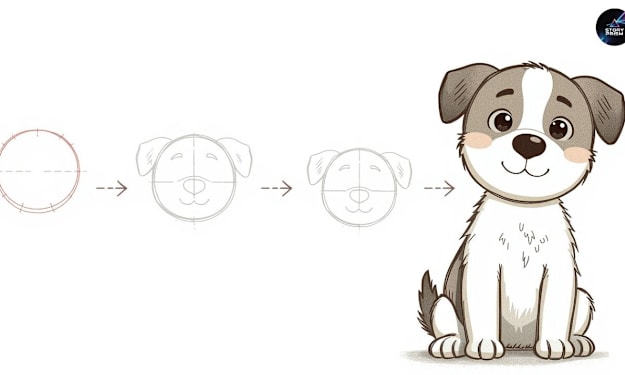
How to Draw a Dog Step by Step: A Beginner-Friendly Guide to Creating Realistic and Cute Dogs
Learning how to draw a dog can feel overwhelming at first, especially if you focus too much on details right away. But the truth is, great drawings don’t start with perfect fur or expressive eyes—they begin with simple shapes and a clear process. In this guide, you’ll learn an easy, structured method that turns even beginners into confident artists.
By Story Prism5 months ago in Art
I Wasn’t Chosen - I Chose This Path | The Journey of Andreas Szakacs
In a world where many creatives wait for an opportunity, some decide to create their own. Andreas szakacs The journey of Andreas Szakacs reflects a mindset that is often overlooked in the film industry — the willingness to move forward without validation. Instead of waiting to be chosen, he focused on building his own path, step by step, project by project.
By Andreas szakacs5 months ago in Art
Ida Shaghoian and the Emotional Architecture of Light in Contemporary Painting. AI-Generated.
Ida Shaghoian and the Language of Visual Emotion Ida Shaghoian is a contemporary painter whose work explores the dialogue between memory, emotion, and the natural world. Through textured, vibrant works that blend abstraction and realism, she creates compositions that invite quiet reflection and personal interpretation. Her paintings often focus on how perception shifts through subtle changes in light, especially during transitional moments such as dawn and dusk. In this context, Ida Shaghoian uses painting as a way to explore how emotional experience is shaped by visual conditions. Rather than presenting fixed scenes, her work opens space for uncertainty, allowing meaning to emerge gradually through observation and reflection.
By Ida Shaghoian5 months ago in Art
Fine Arts in Education
School can get difficult for students sometimes. They get stressed out about how much homework they have and what classes they have to work their hardest in. These anxieties can have a negative effect on the students. It can make them feel as if school doesn’t matter. Currently, I’m a student and I can say that school really is tough. What if there was a way to make school easier for the students to get through? Luckily, there is a way to make them relax and take their minds off of academics. The solution is the incorporation of fine arts into the school’s curriculum. Fine arts can be anything from theater to making music in band class. Schools should incorporate fine arts into their curriculum because it’s beneficial to the students, it can improve their attitudes, and can help students gain opportunities for higher education.
By Jay Jaeger5 months ago in Art