politicians
Reviews of the politicians kissing babies and running governments around the world; applaud and criticize the decisions they make and their implications.
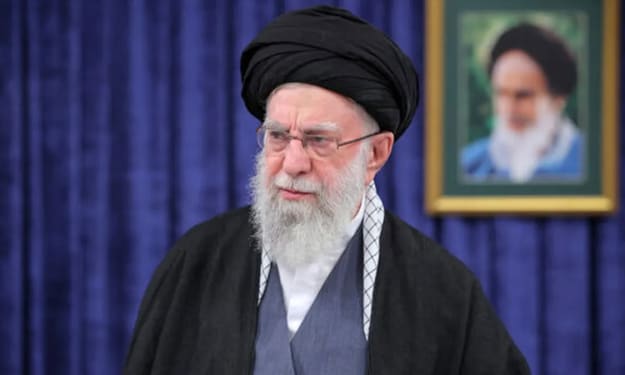
Khamenei: Power, Faith, and Iran’s Defining Voice
In Iran, one name carries unusual weight across politics, religion, and daily life: Khamenei. For decades, his words have shaped national policy, foreign relations, and the tone of public debate. To some, he represents resistance and religious authority. To others, he symbolizes strict control and limited freedom. Outside Iran, his image often appears in headlines tied to sanctions, protests, or regional conflict. Inside the country, his influence reaches into classrooms, courts, and state media. Understanding Khamenei means understanding modern Iran itself. His life story connects revolution, war, ideology, and power. Whether admired or criticized, Khamenei remains one of the most influential figures in the Middle East, and his leadership continues to define Iran’s direction in a changing world.
By Muqadas khan9 months ago in The Swamp
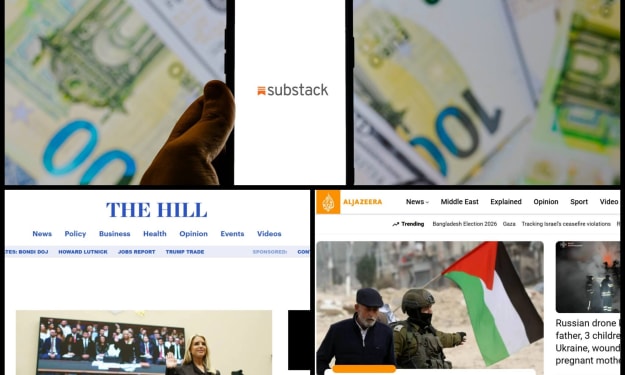
Top 50 English-Language News Sites in the World: Substack Leads YoY Growth for Seventh Month as Most Down in January. AI-Generated.
Subtitle: As traditional news platforms face declining traffic, independent publishing and newsletter-driven journalism are reshaping the global media landscape. The global digital news landscape is undergoing a dramatic transformation. According to the latest traffic analysis of the top 50 English-language news websites in the world, most platforms experienced declines in visits in January, while Substack stood out as a powerful exception. The newsletter-driven publishing platform recorded the highest year-over-year growth for the seventh consecutive month, signaling a significant shift in how audiences consume news and information. This development highlights an important turning point in the evolution of journalism. While traditional news websites continue to struggle with declining engagement, newer digital platforms built around independent creators, personalization, and direct audience relationships are rapidly gaining momentum. Widespread Declines Across Major News Websites The January rankings revealed a concerning trend for established news organizations. Out of the top 50 English-language news websites globally, only seven experienced year-over-year traffic growth, while 43 sites saw declines in visits compared to the same period the previous year. Some of the steepest declines affected prominent news brands. Indian news platforms India.com and Hindustan Times recorded dramatic drops of 72% and 63% respectively. Forbes also experienced a significant decline of 48%, reflecting broader challenges facing traditional media outlets. These declines reflect a growing shift in audience behavior. Readers are no longer relying exclusively on major media websites. Instead, they are consuming news through alternative channels such as social media platforms, newsletters, mobile apps, and independent journalism platforms. This fragmentation of audience attention has made it increasingly difficult for traditional news organizations to maintain consistent traffic levels. Substack Emerges as a Major Digital News Force In contrast to the widespread declines across the industry, Substack has demonstrated remarkable growth. The platform recorded a 44% increase in visits year over year, reaching approximately 166.9 million visits in January alone. This marks the seventh consecutive month that Substack has led growth among the world’s top 50 English-language news sites. Substack’s success reflects a broader shift toward creator-driven journalism. Unlike traditional news websites that rely on editorial hierarchies and advertising revenue, Substack allows individual writers to publish newsletters directly to subscribers. This model creates a more personal relationship between journalists and readers. Readers are increasingly drawn to content that feels authentic, specialized, and independent. Instead of consuming generalized news from large institutions, many audiences prefer to follow individual journalists who focus on specific topics or perspectives. Substack’s growth demonstrates how independent publishing is reshaping the news ecosystem. Digital Media Consumption Is Rapidly Evolving The growth of Substack and similar platforms reflects deeper changes in digital media consumption habits. Audiences now expect more personalized and convenient access to information. Newsletters delivered directly to inboxes provide readers with curated content that fits their interests and schedules. Traditional news websites, by contrast, often rely heavily on search engines and social media platforms to generate traffic. Changes in search algorithms, shifting social media priorities, and increased competition have reduced their ability to attract large audiences consistently. Research shows that web traffic is increasingly concentrated among fewer dominant platforms, while audiences distribute their attention across multiple channels and formats. This shift has created both challenges and opportunities for news organizations. Some News Organizations Still Show Strong Performance Despite the overall decline in traffic, several major news organizations experienced positive growth. Al Jazeera recorded a 39% year-over-year increase in visits, while The Hill saw traffic rise by 38%. Additionally, many news websites experienced month-to-month increases in traffic during January. Thirty-six of the top 50 sites saw month-over-month growth compared to December, suggesting that audience engagement can fluctuate based on news cycles and global events. For example, AP News and NBC News both recorded substantial monthly increases in traffic, highlighting how breaking news and major global developments can temporarily boost readership. These fluctuations illustrate the unpredictable nature of digital news consumption. The Rise of Direct-to-Reader Journalism One of the most important lessons from Substack’s growth is the increasing importance of direct relationships between journalists and readers. Traditional media business models rely heavily on advertising revenue, which depends on attracting large volumes of traffic. However, Substack’s subscription-based model allows writers to earn income directly from readers. This model reduces reliance on advertising and provides greater financial stability for journalists. It also allows writers to focus on niche topics and specialized audiences. The success of this model reflects growing reader demand for trustworthy, expert-driven content. Traditional Media Faces Increasing Competition The decline in traffic across many major news websites highlights the challenges facing traditional journalism in the digital age. Competition for audience attention has intensified dramatically. Readers now have access to information from a wide range of sources, including social media influencers, independent journalists, podcasts, and video platforms. This increased competition has fragmented the news audience and reduced the dominance of traditional media institutions. Even the world’s most visited news websites, such as The New York Times and BBC News, must continuously adapt to changing audience expectations and technological trends. The Future of Digital Journalism The latest rankings of the top 50 English-language news websites provide valuable insight into the future of journalism. The growth of Substack and similar platforms suggests that independent journalism and personalized content will play an increasingly important role. At the same time, traditional news organizations must adapt by embracing digital innovation, diversifying revenue sources, and strengthening relationships with their audiences. The digital news industry is not disappearing—it is evolving. As readers continue to seek trustworthy, relevant, and engaging content, platforms that prioritize authenticity, accessibility, and reader connection will be best positioned for long-term success. Substack’s continued growth demonstrates that the future of journalism may belong not only to large media institutions, but also to individual voices empowered by technology.
By Jameel Jamali9 months ago in The Swamp
Death Toll in Strike on Girls' School in Southern Iran Rises to 40, State Media Say . AI-Generated.
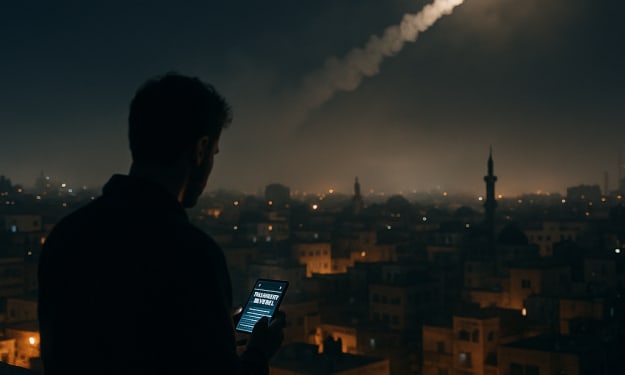
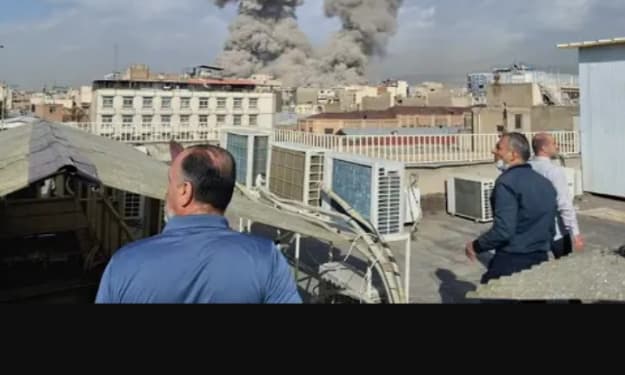
The devastating strike on a girls’ school in southern Iran has become one of the most tragic and controversial moments in the country’s recent history of conflict. What began as reports of several casualties quickly evolved into a grim national tragedy, with Iranian state media reporting that the death toll had risen to 40. The victims were mostly young schoolgirls whose lives were abruptly cut short in what should have been a safe place of learning. The incident has sent shockwaves across Iran and beyond, raising urgent questions about civilian safety, the ethics of modern warfare, and the human cost of geopolitical conflict. The attack reportedly struck a girls’ elementary school in Minab, a city located in Iran’s southern Hormozgan province. Initial reports indicated that five students were killed and several others injured. However, as rescue teams combed through the debris and hospitals struggled to treat the wounded, the scale of the tragedy became clearer. Iranian authorities stated that many students had been inside classrooms at the time of the strike, leaving them with little chance to escape the blast. Eyewitnesses described scenes of chaos and heartbreak. Parents rushed to the school in desperation, searching for their daughters among the injured and the dead. Emergency workers carried victims from the rubble, while medical teams worked tirelessly to stabilize survivors. The emotional toll was overwhelming, not just for families but for entire communities. Schools are meant to symbolize hope, growth, and safety, yet in this moment, they became a symbol of vulnerability. The strike occurred during a period of escalating military tensions involving Iran and foreign adversaries. According to reports, the attacks were part of broader military operations targeting various locations across Iran. Although military officials often claim to target strategic or military assets, the strike on the girls’ school has sparked widespread outrage due to its civilian toll, particularly among children. Children are among the most vulnerable victims of armed conflict. International law, including the Geneva Conventions, emphasizes the protection of civilians and explicitly condemns attacks on schools. Schools are recognized as protected spaces because they represent the future of societies. When schools are targeted or damaged, the consequences extend far beyond immediate casualties. The long-term effects include psychological trauma, disrupted education, and lasting damage to communities. The psychological impact on survivors and families cannot be overstated. Children who survived the attack may carry emotional scars for years, struggling with fear, grief, and trauma. Parents who lost their daughters face unimaginable pain that will remain with them for the rest of their lives. Even students who were not present during the strike may experience anxiety and fear about returning to school. This tragedy also highlights the broader humanitarian consequences of modern warfare. Advances in military technology have increased the precision of weapons, but civilian casualties remain a devastating reality. Mistakes, miscalculations, or intelligence failures can result in catastrophic outcomes, particularly in populated areas. The strike on the girls’ school demonstrates how quickly lives can be lost and communities shattered. Beyond the immediate tragedy, the incident has fueled anger and intensified political tensions. Iranian officials condemned the attack and vowed to respond, while global leaders expressed concern about the escalating violence. The situation raises fears of further escalation, potentially leading to broader regional instability. For many Iranians, the attack represents more than just a military incident. It symbolizes the vulnerability of ordinary people caught in geopolitical struggles beyond their control. Families who sent their daughters to school that day never imagined they would not return home. The loss has created a collective sense of mourning across the nation. The tragedy also raises important ethical questions about warfare in the modern age. Military strategies often focus on weakening an opponent’s capabilities, but when civilian lives are lost, especially those of children, the moral consequences are profound. Every civilian casualty represents not just a statistic, but a human life filled with dreams, relationships, and potential. Education is a fundamental right and a cornerstone of progress. When schools are destroyed or attacked, the impact extends beyond physical damage. It disrupts learning, destroys opportunities, and creates fear that prevents children from pursuing education. In regions affected by conflict, education often becomes one of the first casualties. The strike on the girls’ school serves as a painful reminder of the human cost of war. It demonstrates that behind every military operation are real people whose lives can be changed forever in an instant. The loss of 40 young lives is not just a national tragedy but a global one. As investigations continue and the world watches closely, the focus must remain on the victims and their families. Their stories deserve to be remembered, and their loss must not be reduced to numbers. This tragedy underscores the urgent need for greater efforts to protect civilians, especially children, during times of conflict. In the end, the strike on the girls’ school in southern Iran is more than a news headline. It is a heartbreaking reminder of how fragile human life can be in times of war. It calls for reflection, accountability, and renewed commitment to protecting the innocent. The lives lost can never be replaced, but their memory can serve as a powerful call for peace and humanity in an increasingly uncertain world.If you want, I can also rewrite this in Vocal Media’s exact tone and formatting style (more emotional storytelling, stronger hook, and SEO optimization) to increase approval chances.
By Jameel Jamali9 months ago in The Swamp
Canada’s Leader Heads to Asia and Australia to Build ‘Middle Power’ Bonds. AI-Generated.
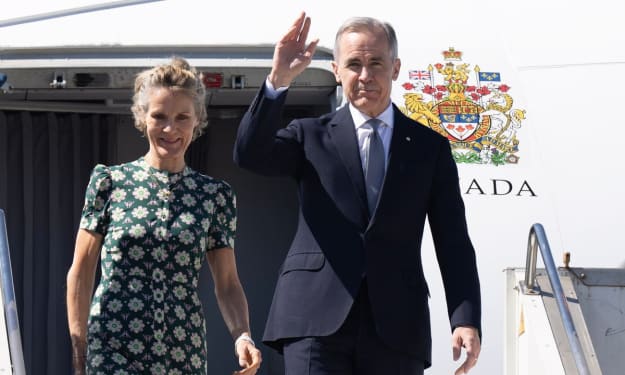
In an increasingly divided global landscape shaped by major power rivalries, Canada is positioning itself as a bridge-builder. Prime Minister Justin Trudeau’s recent diplomatic trip to Asia and Australia signals a deliberate effort to strengthen alliances among so-called “middle powers”—countries that may not dominate global politics individually but can wield significant influence collectively. This strategic outreach reflects Canada’s evolving foreign policy priorities in an era defined by geopolitical uncertainty, economic competition, and shifting alliances. Understanding the “Middle Power” Strategy The term “middle power” refers to nations that are not global superpowers like the United States or China, but still possess strong economies, stable political systems, and meaningful diplomatic influence. Countries such as Canada, Australia, Japan, and South Korea fall into this category. Canada’s outreach aims to strengthen cooperation among these nations in areas including trade, security, climate policy, and technological innovation. By deepening ties with countries that share democratic values and economic interests, Canada hopes to create a network of partners capable of influencing global outcomes. This strategy is not about competing directly with superpowers but about ensuring stability, resilience, and independence in a complex international environment. Why Asia and Australia Matter to Canada Asia has emerged as one of the most important economic and strategic regions in the world. It is home to some of the fastest-growing economies and plays a central role in global trade and manufacturing. Strengthening ties with Asian nations allows Canada to diversify its economic relationships and reduce reliance on any single partner. Australia, in particular, stands out as a natural ally. Both Canada and Australia share similar political systems, resource-based economies, and strong ties to Western alliances. They are also members of international organizations such as the G7 (Canada) and the Five Eyes (both countries). By strengthening cooperation with Australia, Canada reinforces its presence in the Indo-Pacific region, which has become a focal point of global strategic competition. Trade and Economic Cooperation at the Center One of the primary goals of Trudeau’s visit is expanding trade opportunities. Canada is actively seeking to increase exports of natural resources, agricultural products, and technology services to Asian markets. Diversification has become a key priority for Canada’s economy. Heavy reliance on the United States has long been both a strength and a vulnerability. While the U.S. remains Canada’s largest trading partner, expanding ties with Asia and Australia helps reduce economic risk. Partnerships in clean energy, artificial intelligence, and critical minerals are also central to discussions. These sectors represent the future of economic growth, and cooperation allows countries to share expertise and investment. Canada’s vast reserves of lithium, nickel, and other critical minerals make it an attractive partner for countries seeking secure supply chains. Security Concerns and Strategic Stability Beyond economics, security cooperation plays a major role in Canada’s outreach. The Indo-Pacific region faces growing tensions, particularly related to territorial disputes, military expansion, and regional rivalries. Canada has emphasized its commitment to maintaining a “free and open Indo-Pacific.” Strengthening defense cooperation, intelligence sharing, and military partnerships helps ensure regional stability. Australia, Japan, and South Korea are key players in maintaining balance in the region. By working closely with these nations, Canada strengthens collective security while promoting peaceful conflict resolution. This approach reflects Canada’s longstanding identity as a supporter of diplomacy, multilateralism, and international cooperation. Climate Change and Shared Global Challenges Climate change is another major focus of Canada’s diplomatic efforts. Many middle powers face similar environmental challenges, including extreme weather, rising sea levels, and transitioning to clean energy. Cooperation on climate policy allows countries to share technologies and coordinate strategies. Canada’s expertise in clean energy and environmental regulation can play a valuable role in supporting global climate goals. Australia, for example, is working to balance its resource-based economy with environmental sustainability. Collaborative efforts between Canada and Australia can accelerate innovation and reduce emissions. Addressing climate change together also strengthens diplomatic relationships beyond traditional security and economic concerns. Strengthening Canada’s Global Influence Canada’s outreach reflects a broader effort to increase its global influence. While Canada may not have the military or economic scale of superpowers, it possesses other advantages: political stability, strong institutions, and a reputation as a reliable partner. By building alliances with other middle powers, Canada can amplify its voice on the global stage. Collective action allows these countries to shape international rules, protect shared interests, and promote democratic values. This strategy also provides flexibility. Instead of relying solely on traditional alliances, Canada can develop a diverse network of partnerships. Such diversification enhances Canada’s resilience in an unpredictable world. Challenges and Risks Ahead Despite its potential benefits, the middle power strategy is not without challenges. Balancing relationships with both the United States and Asian nations requires careful diplomacy. Canada must also compete economically with other countries seeking influence in the Indo-Pacific region. Building meaningful partnerships takes time, investment, and consistent engagement. Domestic priorities can also influence foreign policy decisions. Economic conditions, political pressures, and public opinion all shape Canada’s ability to pursue ambitious international strategies. Nevertheless, Canada’s leadership appears committed to strengthening its role as a connector and collaborator. A Strategic Vision for the Future Prime Minister Justin Trudeau’s diplomatic mission to Asia and Australia reflects a clear strategic vision. By building stronger relationships with middle powers, Canada is positioning itself to navigate an increasingly complex global environment. The trip highlights Canada’s recognition that influence in the modern world is not defined solely by military strength, but by cooperation, economic partnerships, and shared values. As global power dynamics continue to shift, Canada’s approach may serve as a model for other nations seeking to remain influential without becoming superpowers. In a world shaped by uncertainty, Canada is betting on partnerships, diplomacy, and collaboration. Its efforts to strengthen middle power bonds may not dominate headlines like great power rivalries—but they could play a crucial role in shaping the future of global stability and cooperation.
By Jameel Jamali9 months ago in The Swamp
A British Special Election Could Hardly Have Come at a Worse Time for Starmer. AI-Generated.
Political pressure mounts as Labour faces an early electoral test amid economic uncertainty The timing of a special election can shape political momentum, influence public perception, and expose leadership vulnerabilities. For Keir Starmer, the United Kingdom’s Prime Minister and leader of the Labour Party, the arrival of a British special election could not have come at a more challenging moment. With economic pressures mounting, public expectations rising, and political opponents seeking opportunities to regain ground, the stakes of this election extend far beyond a single parliamentary seat.
By Jameel Jamali9 months ago in The Swamp
UN’s Türk Urges Dialogue After Deadly Clashes on Afghan-Pakistan Border . AI-Generated.
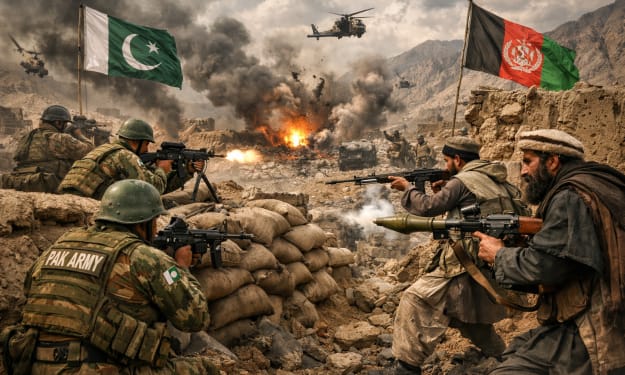
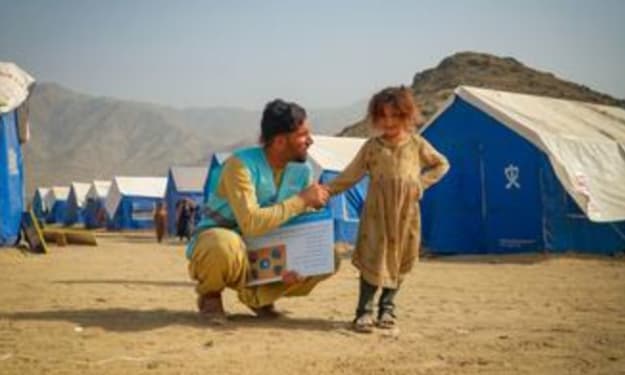
Deadly clashes along the volatile border between Afghanistan and Pakistan have once again exposed the fragility of regional stability, prompting urgent calls for restraint and diplomacy. Volker Türk, the United Nations High Commissioner for Human Rights, has urged both sides to engage in meaningful dialogue, warning that continued violence risks escalating tensions and worsening humanitarian conditions for civilians living in the conflict zone.
By Jameel Jamali9 months ago in The Swamp