
University of Virginia Forensic Clinic
The Forensic Clinic at the Institute of Law, Psychiatry, and Public Policy offers forensic mental health evaluations for a variety of criminal and civil contexts, performed by forensic psychologists, psychiatrists, and neuropsychologists.

The University of Virginia Forensic Clinic stands at the crossroads of mental health science and the legal system, offering a model for how interdisciplinary expertise can improve judicial decision-making. As part of the University of Virginia and closely affiliated with the Institute of Law, Psychiatry and Public Policy, the clinic plays a vital role in evaluating individuals whose psychological or cognitive functioning is relevant to legal questions. Its work reflects a broader shift in modern law toward incorporating scientific understanding of human behavior into courtroom processes.

At its foundation, the clinic is designed to serve courts, attorneys, and institutions by providing objective, evidence-based forensic evaluations. These evaluations differ significantly from traditional clinical services. Rather than focusing on treatment or therapy, forensic assessments are conducted to answer specific legal questions. For example, in criminal cases, the clinic may evaluate whether a defendant is competent to stand trial or whether they were legally insane at the time of an alleged offense. These determinations can directly influence the outcome of a case, making accuracy and impartiality essential.
In civil law, the clinic’s role is equally important. Evaluations often address claims involving emotional distress, trauma, or cognitive impairment. Courts may request expert opinions on whether an individual has the capacity to make informed decisions about finances, healthcare, or legal agreements. In such cases, the clinic’s assessments help ensure that vulnerable individuals are protected while also maintaining fairness in legal proceedings.
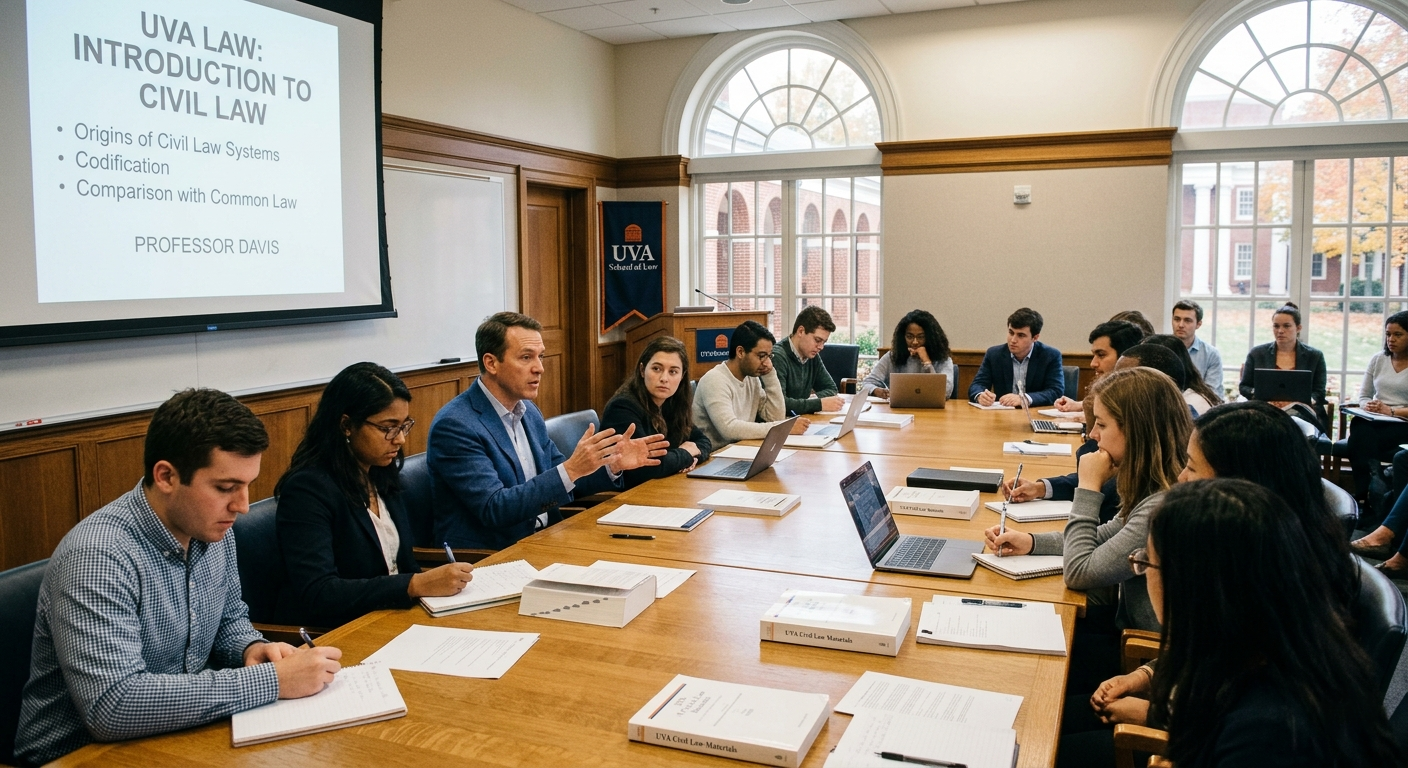
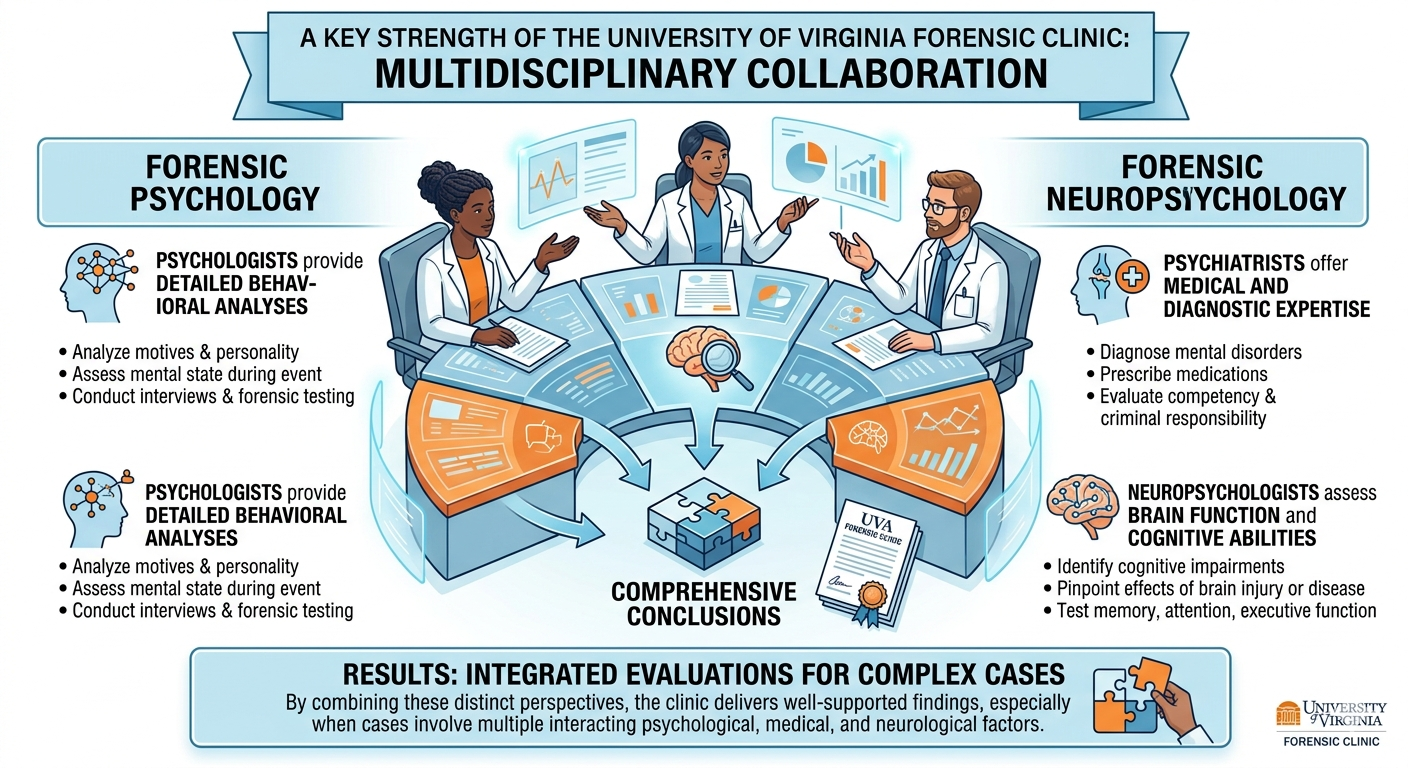
A key strength of the University of Virginia Forensic Clinic is its multidisciplinary structure. The clinic brings together professionals from various specialties, including forensic psychology, psychiatry, and neuropsychology. Each discipline contributes a unique perspective: psychologists provide detailed behavioral analyses, psychiatrists offer medical and diagnostic expertise, and neuropsychologists assess brain function and cognitive abilities. This collaborative approach allows the clinic to produce comprehensive and well-supported conclusions, particularly in complex cases involving multiple factors.
Another important aspect of the clinic’s work is risk assessment. Evaluating the likelihood of future behavior—such as the risk of violence or reoffending—is a challenging but essential task in many legal contexts. Courts may rely on these assessments when making decisions about sentencing, parole, or civil commitment. The clinic uses structured tools and scientifically validated methods to estimate risk, balancing statistical data with individualized analysis. This careful approach helps minimize bias and supports more informed legal outcomes.
The clinic also provides expert testimony, translating technical psychological findings into language that judges and juries can understand. This role requires not only scientific expertise but also strong communication skills. Experts must explain complex concepts clearly while maintaining neutrality and credibility. In high-stakes cases, their testimony can significantly influence how evidence is interpreted and how decisions are made.
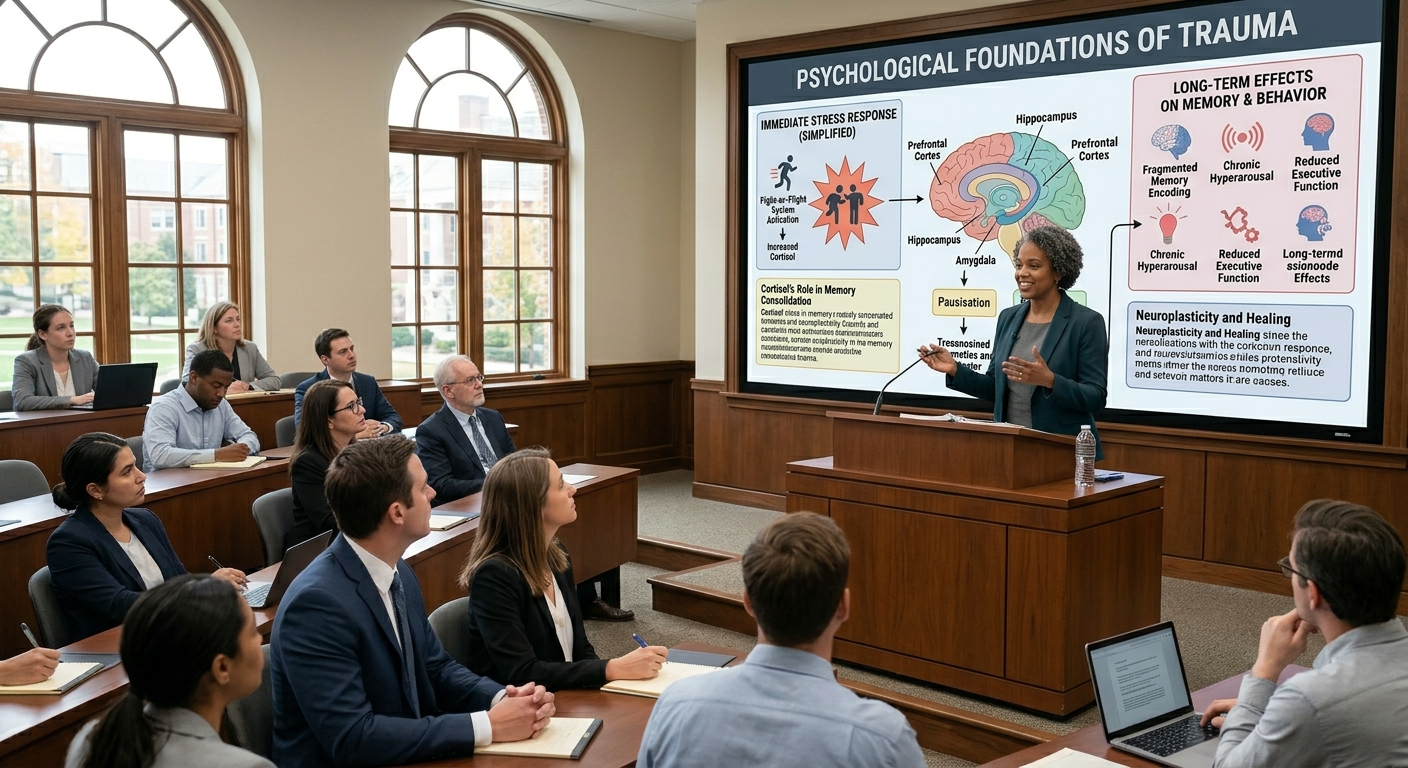
Flexibility is another hallmark of the clinic’s operations. Recognizing that individuals involved in legal proceedings may be located in a variety of settings, the clinic conducts evaluations in multiple environments. These include courthouses, correctional facilities, hospitals, and private offices. This adaptability ensures that services are accessible and that evaluations can be conducted in a timely manner, which is critical in legal contexts where delays can have serious consequences.
Beyond its direct services, the University of Virginia Forensic Clinic is deeply involved in research. Its faculty and affiliated professionals contribute to the advancement of forensic science by studying topics such as the reliability of psychological assessments, ethical challenges in expert testimony, and the effectiveness of risk prediction tools. This research not only enhances the clinic’s own practices but also influences the broader field, helping to establish standards and improve methodologies.
Education and training are central to the clinic’s mission as well. Through its connection with the Institute of Law, Psychiatry and Public Policy, the clinic offers programs for mental health professionals, legal practitioners, and students. These programs emphasize the importance of understanding both legal frameworks and clinical principles. Participants learn how to conduct forensic evaluations, interpret findings, and navigate the ethical complexities of working within the legal system.
Students at the University of Virginia benefit from the clinic’s presence through exposure to real-world applications of their studies. Law students gain insight into how psychological evidence is used in court, while medical and psychology trainees learn how to apply diagnostic skills in forensic contexts. This interdisciplinary learning environment prepares graduates for careers that require collaboration across fields, an increasingly important skill in today’s professional landscape.
The clinic also contributes to public policy discussions, offering expert guidance on issues related to mental health and the law. Faculty members may advise government agencies, participate in legislative initiatives, or consult on systemic reforms. Their work helps shape policies that address challenges such as mental illness in the criminal justice system, competency restoration programs, and the ethical use of forensic evidence.
Maintaining objectivity is a fundamental principle of the clinic’s work. Unlike clinicians who advocate for their patients, forensic evaluators must remain neutral and provide unbiased opinions. This distinction can be challenging, particularly in adversarial legal settings where each side seeks to support its own position. The clinic addresses this challenge by adhering to rigorous ethical standards, using standardized methods, and encouraging peer review within its multidisciplinary team.
As the legal system continues to grapple with complex human behavior, the demand for forensic expertise is likely to grow. Issues such as mental health awareness, advances in neuroscience, and evolving legal standards all contribute to the increasing importance of clinics like the one at the University of Virginia. By combining scientific rigor with practical application, the clinic is well-equipped to meet these challenges.
In conclusion, the University of Virginia Forensic Clinic serves as a vital link between the fields of mental health and law. Its comprehensive evaluations, expert testimony, research contributions, and educational initiatives demonstrate the value of interdisciplinary collaboration. By providing objective and scientifically grounded insights, the clinic not only supports individual legal cases but also contributes to the development of a more informed and equitable justice system.
To refer a case or request services, please contact: https://uvaforensicclinic.com/contact/
About the Creator
Enjoyed the story? Support the Creator.
Subscribe for free to receive all their stories in your feed.
Comments
There are no comments for this story
Be the first to respond and start the conversation.