Humanity
Why I’m Proud of My Roots: A First-Generation Immigrant’s Voice
Why I’m Proud of My Roots: A First-Generation Immigrant’s Voice Introduction: Who I Am and Where I Come From They say identity is a journey. For me, it has been an ocean—deep, unpredictable, and endlessly vast. I was born in a land where my name was not strange, my accent was not noticeable, and my food didn’t need translation. But that land became a memory when my family moved across continents, chasing a better life and sacrificing almost everything familiar to start from zero. I became a first-generation immigrant overnight—young, confused, and silently holding the weight of two worlds.
By Afia Sikderabout a year ago in Pride
When Safety Feels Like a Memory
I remember a time not long ago when walking into a women’s restroom felt like crossing into a quiet sanctuary. A place where privacy was sacred, where women and girls could be themselves without fear or worry. That sense of safety was so simple, so natural, it felt as if it had always been this way—and that it always would be.
By Gabriela Toneabout a year ago in Pride
My Experiences with the Gay Cosplay Community
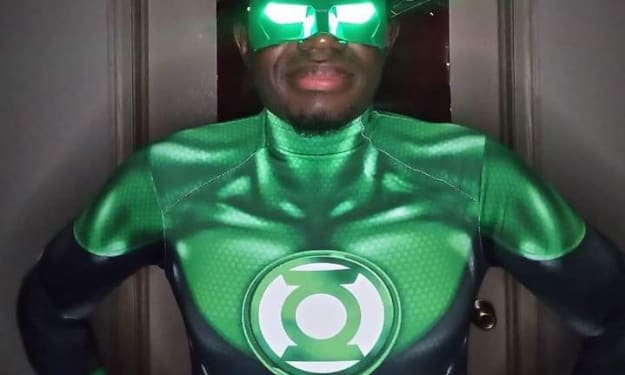
10 years of cosplay memories and awesomeness: they'll always hold a special place in my heart forever. I retired from cosplay in October 2024 and over six months after concluding an amazing journey, life has been treating me well so far. In this story, I'll be sharing what it was like being part of the gay cosplay community. I'll start with the bad before I explain the positives of this community.
By Mark Wesley Pritchard about a year ago in Pride
The Boy Who Stood Between Death and 2,000 Lives
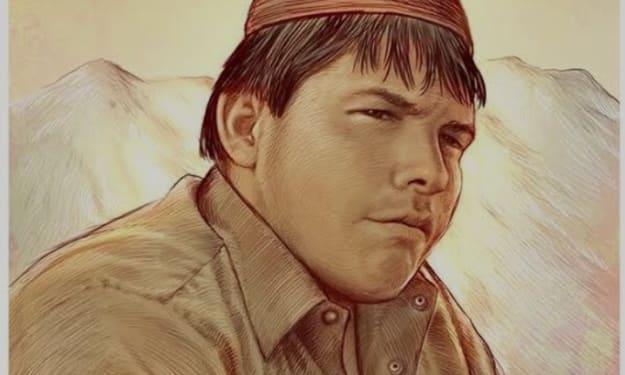
Shaheed Aitzaz Hasan: The Unforgettable Sacrifice of a Brave Young Boy It was a cold morning on January 6, 2014. Life was moving as usual in the Ibrahimzai area of Hangu District, Khyber Pakhtunkhwa. But that day, an incident occurred that shook not just Pakistan, but the entire world. A 15-year-old boy sacrificed his life to save hundreds of children and became immortal in the pages of history. This is the story of Aitzaz Hasan Bangash, a tenth-grade student. He was an ordinary boy—humble, cheerful, and close to his family. That day, Aitzaz arrived late to school. As he stood near the school gate, he noticed a suspicious man approaching. The man claimed he was a new student wanting to enter the school. But Aitzaz was sharp-eyed. He immediately sensed something was wrong. He saw strange objects hidden under the man’s clothes. Aitzaz quickly realized that the man was a suicide bomber, targeting the school assembly where more than 2,000 students had gathered. Without hesitation, Aitzaz told his friends to run and warn others. He, on the other hand, decided to confront the bomber. Despite his friends pleading with him to stop, Aitzaz ran toward the attacker and tried to restrain him to prevent him from entering the school. A powerful explosion shook the area. Smoke and dust filled the air outside the school. The bomber had detonated himself. Aitzaz was martyred on the spot. But because of his courage, the attacker never reached the school building. The lives of more than 2,000 students were saved. News of Aitzaz’s bravery spread like wildfire. The entire nation had one name on their lips: "Aitzaz Hasan." His selfless act was praised across the country. The President of Pakistan posthumously awarded him the Sitara-e-Shujaat (Star of Bravery). Media outlets, social media, newspapers, and TV channels all paid tribute to him. People from around the world acknowledged his sacrifice. His father, Mujib Hasan, said something that touched every heart: “My son made his mother cry, but saved hundreds of mothers from crying for their children.” This one sentence continues to echo in the hearts of millions. The Khyber Pakhtunkhwa government provided financial support to Aitzaz’s family and renamed his school as "Shaheed Aitzaz Hasan High School." In 2016, a film titled Salute was made about his life, portraying his bravery and final moments. Aitzaz was not just a student; he became a symbol. A message—that fighting terrorism isn't limited to soldiers or law enforcement. Even an ordinary citizen, when filled with courage and clarity of purpose, can change the course of history. He taught us that bravery doesn’t come with age—it comes from conviction. In a region like Hangu, often under the shadow of extremism, a young boy set an example that will be remembered for decades. His sacrifice was not only an act of protection but also a clear message to terrorists: the people of Pakistan will never bow to fear. Today, a plaque with Aitzaz’s name in golden letters stands proudly at the school gate. Every child who walks through that gate doesn't just enter a place of learning—they walk in with the inspiration of the very spirit that gave them a future. Aitzaz’s martyrdom proved that heroes don’t always wear capes or appear in movies. Sometimes, they stand silently at school gates, carrying schoolbags, armed only with courage—and they make history with their actions. Nations are built on such acts of valor. Aitzaz Hasan’s sacrifice gave Pakistan’s youth a new direction—a new way of thinking. If a single boy could save thousands of lives by giving up his own, each of us can do something meaningful in our own place. Shaheed Aitzaz Hasan is no longer with us, but his spirit, his sacrifice, and his name will live on forever.
By Kaleem Ullah about a year ago in Pride
is it gay to like femboys
Is It Gay to Like Femboys? Exploring Gender, Attraction, and Identity The question "Is it gay to like femboys?" sparks debates across social media, dating forums, and LGBTQ+ discussions. Some argue that attraction to feminine men aligns with heterosexual preferences, while others see it as inherently queer. The truth? It depends on how you define sexuality, gender expression, and personal identity.
By David Femboyabout a year ago in Pride
What Color is your Dress?
I am bisexual, it is a part of me… but it has never been much of a struggle. I am extremely fortunate in this, and thankful too. I have aways just found that women are beautiful too. As a child it never hindered me. I wasn’t a very sexual child, even as I grew older. I was what you might call a late bloomer. Sex and all that it entailed did not interest me like it did my fellow highschoolers. Later when sexuality was a thing, I was still shy. I still am in some ways. I have never dated a woman. I have had some fun a time or ten in my life with a lady but never anything serious. Sorry to the gentlemen out there, but I have found that women are the better kissers. I tended to study that phenomenon particularly when I was out drinking. Honestly, I wouldn’t know how to go about dating a woman… Gods to be honest socially it’s difficult for me to initiate things with any sex. I’m not ashamed of that, even at my age, we all are who we are. That being said, I am not shy about who I am and I believe people have the right to be who they are.
By Katie L. Oswald (BookDragon)about a year ago in Pride
I lived in a White World until I was 25!. Top Story - May 2025.
I was born in the predominantly white population of Northern Ireland in 1972. This will sound crazy to some people, but for the first 25 years of my life, the only connection I had to another culture was through an Indian boy in my high school.
By Simon Aylwardabout a year ago in Pride
My Ideal Man
I rarely or if ever divulge details about my love life, but this story is perfect for me to do just that. It's been nearly six years since I was in a long-term relationship and at one point, was engaged to be married. Dating has drastically changed over the years, but as for me, I'm still looking for that special man to spend the rest of my life with. As someone who has Autism, it has been difficult for me find a man to date or be in a relationship with, because some assume that my disability is a burden to them. When they hear the word disability, they assume that they'll be taking care of me forever. Despite my disability, I have a job and live a regular life. So no, I'm NOT a burden. My expectations of finding an ideal partner aren't outrageous or unreasonable. Once you have finished reading this story, you'll know a little bit about the things I expect from a man.
By Mark Wesley Pritchard about a year ago in Pride
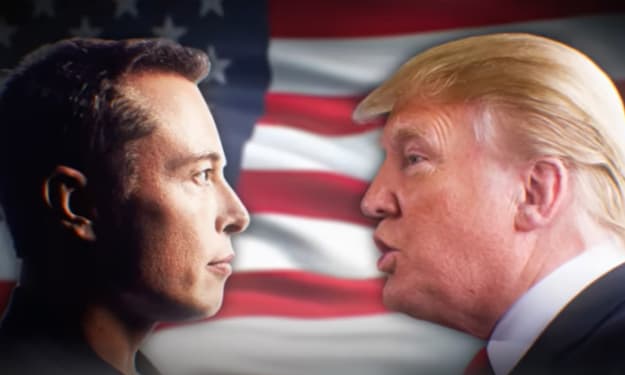
Billionaire Battles: From Betrayal to Business Wars. AI-Generated.
In the high-stakes world of billionaires, rivalries aren’t just personal—they often reshape industries, politics, and even nations. From tech startups at Harvard to oil empires in Russia, and music royalties to crypto exchanges, the battles between some of the richest people on earth reveal a volatile mix of power, ambition, and revenge. Here’s a rundown of some of the most notorious billionaire feuds that have captured headlines and changed fortunes.
By sol sessionsabout a year ago in Pride
Pride: Beyond Rainbows—A Lifeline for Millions”
Understanding Pride: More Than a Parade, It's a Powerful Movement When someone says the word Pride, many people instantly imagine colorful parades, rainbow flags, glitter, music, and celebration. And while those visuals are absolutely part of Pride, the heart of it runs much deeper. Pride isn’t just an event or a month—it’s a movement, a message, and, for millions around the world, a lifeline. In this article, we’ll explore what Pride really means, what it stands for, and why it's so important. Whether you're part of the LGBTQIA+ community or an ally trying to learn, understanding Pride is a step toward compassion, equality, and change. What is Pride? At its core, Pride is about visibility, dignity, and celebration for LGBTQIA+ people. It is a response to years—decades—of silence, shame, and societal rejection. It's the opposite of hiding. Pride originated as a form of resistance. It began as a protest, not a party. The first Pride marches took place in June 1970 to mark the one-year anniversary of the Stonewall Riots—a series of confrontations between the police and LGBTQIA+ activists in New York City. These riots weren’t planned or polished. They were raw, real, and fueled by frustration over systemic oppression. Pride, today, honors that history. It’s about saying: “We are here. We are valid. We won’t hide.” What Does Pride Include? While Pride events vary by location and culture, here’s what is commonly included: 1. Parades & Marches These are often the most visible aspects of Pride—colorful, high-energy parades where people walk in solidarity, often with music, banners, floats, and speeches. But beyond the celebration, parades are also protests. Many Pride marches still highlight political demands—equal rights, protection from discrimination, and justice for queer and trans lives lost to violence. 2. Community Events Pride includes a variety of events—panel discussions, art shows, film screenings, poetry nights, and more. These platforms help amplify LGBTQIA+ voices and share stories that often go unheard. 3. Support Resources Many Pride festivals include health booths, mental wellness spaces, and outreach from nonprofits offering help for LGBTQIA+ youth, housing resources, HIV testing, and counseling services. 4. Education & Awareness Pride is an opportunity to educate the wider public. Schools, companies, and local governments often host diversity training, sensitivity workshops, and awareness programs during Pride Month to promote inclusivity and understanding. 5. Memorials Pride also includes moments of reflection—remembering those lost to hate crimes, HIV/AIDS, suicide, or systemic neglect. Vigils and tributes are a solemn but essential part of Pride. The Many Colors of Pride The rainbow flag is the most recognizable symbol of Pride, but there are actually many Pride flags representing different identities within the LGBTQIA+ spectrum: Rainbow Flag – General LGBTQIA+ unity Transgender Flag – Light blue, pink, and white for trans pride Bisexual Flag – Pink, purple, and blue Asexual Flag – Black, gray, white, and purple Non-Binary Flag – Yellow, white, purple, and black Progress Pride Flag – Includes black, brown, trans colors with the rainbow to highlight inclusivity Each flag tells its own story, showing how diverse and intersectional the queer community really is. Why Pride Still Matters You may wonder: "Why do we still need Pride?" Because, around the world, being LGBTQIA+ is still criminalized in over 60 countries. In many places, people can be fired, evicted, or attacked just for being who they are. In others, same-sex couples still can't marry, adopt, or live openly. Even in more progressive countries, queer and trans people often face bullying, mental health struggles, and a lack of representation. Pride isn’t just a celebration—it’s a statement. A declaration of humanity, resilience, and the right to exist without fear. What We Get from Pride Pride gives people something many never had before: belonging. Here are a few things Pride offers: Visibility: For many, Pride is the first time they see themselves represented in public. That kind of visibility can save lives. Community: Pride is a gathering of chosen families, friends, and allies. It reminds people they are not alone. Healing: From past trauma to internalized shame, Pride helps many begin the process of self-acceptance and healing. Inspiration: Pride often sparks movements, campaigns, and conversations that push for change—whether in schools, the workplace, or government policy. Pride Is for Everyone Some people say, “Why isn’t there a straight Pride?” But here's the thing: straight people have always been allowed to live, love, and be recognized without fear. Pride exists because LGBTQIA+ people didn’t have that luxury. But allies are welcome! Pride isn't about exclusion—it's about inclusion. Allies who support, protect, and amplify LGBTQIA+ voices are crucial to the movement. Being an ally doesn’t mean speaking for the community. It means standing with them, listening, learning, and using your privilege to uplift others. Beyond June: Pride All Year While Pride Month is officially celebrated in June (to honor the Stonewall Riots), being proud doesn’t end on July 1st. LGBTQIA+ people exist and struggle year-round. So should support. Whether it’s advocating for inclusive education, supporting queer-owned businesses, challenging harmful stereotypes, or simply being a safe person for someone to come out to—there are many ways to live Pride every day. Final Thoughts Pride isn’t just about rainbows. It’s about rights. It’s not just a party—it’s protest, remembrance, and a celebration of love, diversity, and resilience. Pride reminds us that love is love. That identity is valid. That no one should be made to feel ashamed of who they are. Whether you’re celebrating for the first time or standing in solidarity as an ally, remember: Pride is for everyone who believes in a world where everyone can live authentically and safely. So wear your colors proudly, listen with your heart, and most importantly—support each other. Because Pride isn’t just a month. It’s a movement.
By Tanushree Dasabout a year ago in Pride