
Without the proper gut flora, sugar-free sweeteners could become dangerous.
Why sorbitol was questioned

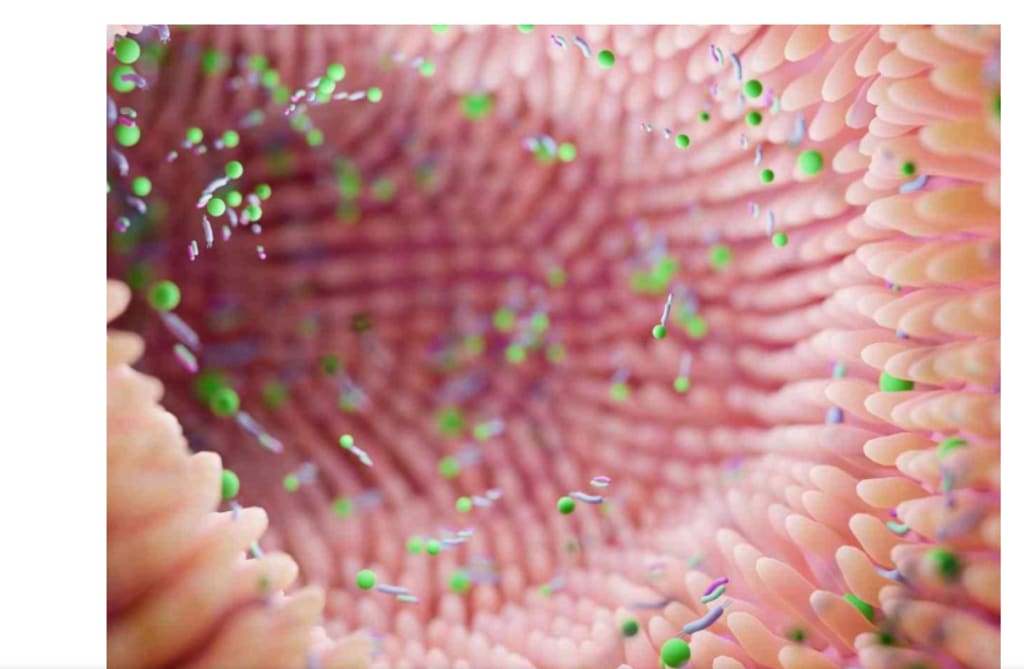
The majority of consumers who select sugar-free goods do so with the intention of reducing their caloric intake or avoiding sugar. Few would anticipate that one of the same sweeteners would begin to be produced in their own stomach. According to recent study, the gut wall discreetly turns some of the sugar you ingest into sorbitol after every meal.
This naturally occurring polyol, also known as sugar alcohol, can come from both external and internal sources at the same time because it is frequently employed as a sugar substitute in food. Depending on the bacteria in the intestines, sorbitol from meals and that produced by the gut wall may cause issues for some people.
Why sorbitol was questioned
Gary J. Patti, the Michael and Tana Powell Professor of Chemistry at Washington University in St. Louis (WashU), is the source of the paper. His team has spent years studying the effects of fructose on the body, such as promoting the growth of tumours and driving fat into liver tissue. Sorbitol is one chemical reaction away from fructose, according to Patti's team.
An enzyme in the body converts one into the other.
Therefore, if conditions in the gut allow it to pass through, a sweetener marketed as a gentler option could theoretically do the same harm as fructose.
Sorbitol testing in fish
The team used zebrafish to conduct the test. Their liver chemistry is similar enough to ours to make them a trustworthy indicator of the body's sugar metabolism. Despite their diminutive size, the pertinent biology is mobile.
The adult zebrafish's gut microbiome was eradicated by the researchers using antibiotics. After that, they fed the fish a regular meal and watched to see what would happen. On a diet that shouldn't have caused any problems, fat started to accumulate in the bacteria-free fish's livers within w eeks—the first indications of fatty liver.
Sorbitol is produced in the intestines.
The scientists discovered something surprising when tracking the chemistry. dietary sugar was being transformed into sorbitol inside the intestine by the gut wall itself, not by microorganisms or dietary additives. Sorbitol levels increased following a meal.
This identical conversion has been linked in the past to diabetics, whose blood sugar levels can be high enough to cause it. Up until today, it was thought to be largely left alone by healthy stomachs.
Healthy animals were also experiencing it. The intestine was already producing sorbitol even on a regular diet.
Sorbitol is used by bacteria
The fish that still had their intestinal flora make up the next section of the image. The intestine cells and nutrition are the same, but there is no liver fat. Sorbitol was being consumed by the bacteria before it could enter the liver.
The majority of the effort was done by one genus of bacteria: Aeromonas. Sorbitol is broken down by these bacteria into innocuous metabolites. The liver damage subsided when the team reintroduced Aeromonas into fish that had been treated with antibiotics.
But it gets difficult if you don't have the proper bacteria. Because sorbitol is not broken down under those circumstances, it is transferred to the liver, according to Patti.
Sorbitol's brief journey
Sorbitol travels to the liver after passing through the stomach without being eliminated by bacteria. An enzyme within liver cells transforms it into a substance that resembles fructose.
That chemical seems to set off a chain reaction that accelerates the liver's breakdown of sugar and results in the accumulation of fat. Previous research on liver metabolism has clearly shown that high-fructose diets result in the same pattern.
Beyond the body of a diabetic
Prior to this study, the majority of what was known about the body's generation of sorbitol came from studies on diabetes. Because the reaction requires a high glucose level to begin, it was previously considered a medical problem.
However, following a meal, the zebrafish stomachs frequently reach those glucose levels. Sorbitol was being produced on time by healthy animals with intestines in good condition. The journey doesn't wait for illness.
What this makes possible
The fact that sorbitol can enter the liver is not the only novel development. After each meal, the body produces this sugar on its own. Sorbitol and the liver are separated by gut microbes. Sorbitol belongs to the same family of sugar alcohols as xylitol, erythritol, and mannitol.
According to recent research, "sugar-free" labelling may overstate the products' safety for consumers whose gut flora has been altered by antibiotics, disease, or nutrition.
The liver is protected by bacteria.
According to recent evaluations, the prevalence of fatty liver disease has been continuously rising for decades, with an estimated 30% of individuals globally suffering from it.
The next concerns are which bacterial strains provide protection and how diet and antibiotic use alter the balance if any of that prevalence might be linked to the microbiome's handling of sorbitol.
Patti found the lesson to be uncomfortably personal. He recently discovered that his favourite protein bar was high in sorbitol when he looked at the label. According to Patti, "we do absolutely see that sorbitol given to animals ends up in tissues all over the body."
About the Creator
Enjoyed the story? Support the Creator.
Subscribe for free to receive all their stories in your feed.
Comments
There are no comments for this story
Be the first to respond and start the conversation.