
Why medications worsen symptoms before improving them
Why it takes weeks to take antidepressants

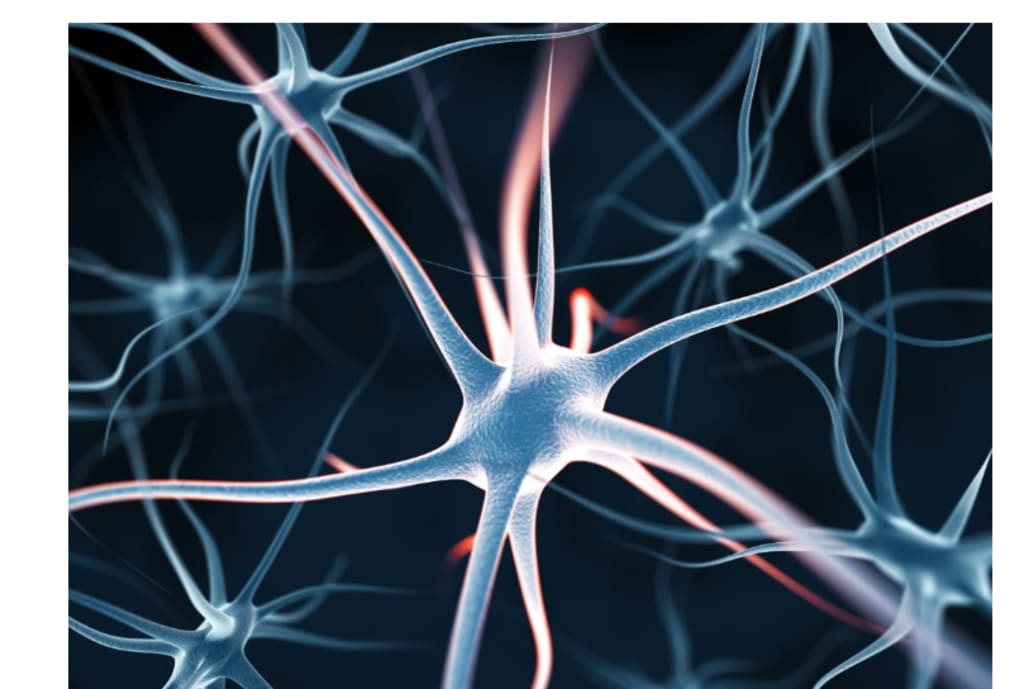
You take an antidepressant in the hopes of feeling better. The reverse is frequently seen during the first few weeks: increased anxiety, nervousness, and sleep disturbances. Before the benefits of the medicine become apparent, many people stop using it.
Usually, relief takes at least a month. Given that the medication changes brain chemistry in a matter of hours, this perplexes scientists. The single drug pushes two sets of cells in different directions, according to a recent study conducted inside the brainstem.
Why it takes weeks to take antidepressants
These medications are widely available. Over 10% of adults in certain nations take one. Fluoxetine, marketed under the brand name Prozac, was shown to be one of the most popular medications in a research covering two decades of prescriptions.
The peculiar aspect is the timing. The main reason antidepressants take weeks is that blocking serotonin recycling raises the chemical within hours, while relief takes a month or longer. That gap was never filled by the previous feedback-tuning concept. The investigation was undertaken by a group headed by Stockholm University assistant professor and neuroscientist Iskra Pollak Dorocic.
Her group concentrated on the brainstem hub that produces the majority of the brain's serotonin, the dorsal raphe nucleus. After dosing mice, they examined the genes in each cell.
Constructing a map of cells
The group employed a method known as spatial transcriptomics, which preserves the location of each cell while mapping gene activity across a tiny slice of intact brain tissue. This made it possible for the researchers to determine which genes were activated as well as the precise locations of those genes.
These cells were handled by the field as a single, homogeneous group for many years. Six different kinds of serotonin-producing neurones were identified on the map. each having a unique location in the area and molecular signature. Many distinct cells were contained in a tiny space.
This type was hinted to in earlier single-cell work, but location was lost. Nobody had connected the whole profile of every cell to its precise location within living tissue. The sorts did not all react in the same way, so that position became crucial.
Two opposing routes
On separate clocks and in different sections of the area, two groups stood out. One dose raised the molecule in the first group. Three weeks later, when the first group settled down, the second group, off to the sides, raised another one.
Prodynorphin, a peptide linked elsewhere to stress and depressed, anxious mood, was the first to ascend. In the midline cells—inside the serotonin neurones themselves, not some bystander next door—one dose significantly increased it. Its gene was activated by more neurones.
After a few weeks, the image switched to the side cells rather than the midline ones. Instead of decreasing mood, they increased thyrotropin-releasing hormone, a chemical associated elsewhere with elevating mood. That divergence in the drug's primary target had never been observed before.
What the divide signifies
The early prodynorphin surge, a transient spike when serotonin is produced, is an intriguing hypothesis for the difficult initial weeks. When linked to stress and depression elsewhere, it may cause problems before they are resolved.
Reviews of the actual mechanisms of action of these medications demonstrate how flimsy the old serotonin narrative has become. The second molecule is compatible with the More cells in the lateral wings activated the gene throughout the entire course of therapy, but never after a single dose.
The chemical may help explain the relief that appears weeks later because it has been connected to mood improvement in other contexts. This does not demonstrate that each chemical influences patients' emotions. A gene turning on is a measurement, not a mood, and the mice were healthy and not depressed.
The effects go beyond serotonin.
The effects of the medication extended beyond serotonin cells. Following the initial dosage, a growth factor known as BDNF, which stands for brain-derived neurotrophic factor and has long been associated with mood, increased. It increased primarily in neighbours who don't produce serotonin.
BDNF has been connected in pooled analyses to both depression and antidepressant recovery. The spillage Although the drug's effects spread to neighbouring cells within hours, it is commonly believed that it exclusively affects serotonin flow.
Other modifications were consistent with long-term forecasts. As decades of research had shown, a feedback gene surged early and declined later, and the midline cells seemed to become less active over time.
The division between two adjacent clusters of serotonin neurones responding on distinct timeframes was the truly novel discovery. A significantly smoother rendition:
New therapeutic targets
One thing is evident from the study: antidepressants do not flick a single switch in the brain's serotonin supply. There seem to be at least two separate populations operating on different timescales in the mouse brain.
Thyrotropin-releasing hormone rises more slowly, although an early prodynorphin surge diminishes. This offers pharmaceutical companies a target. The initial weeks of treatment can be more bearable if they can lessen the early prodynorphin spike. Relief may come sooner if they can accelerate the sluggish increase in thyrotropin-releasing hormone.
Antidepressants that are simpler to start and more effective may be indicated by either approach. As of right now, the work is still being done in mice, and these compounds are leads rather than cures.
About the Creator
Enjoyed the story? Support the Creator.
Subscribe for free to receive all their stories in your feed.
Comments
There are no comments for this story
Be the first to respond and start the conversation.