
Obesity and the Brain: How Extra Body Fat Quietly Increases Dementia Risk
What Obesity Might Be Doing to Your Brain — And Why It’s More Dangerous Than Most People Realize

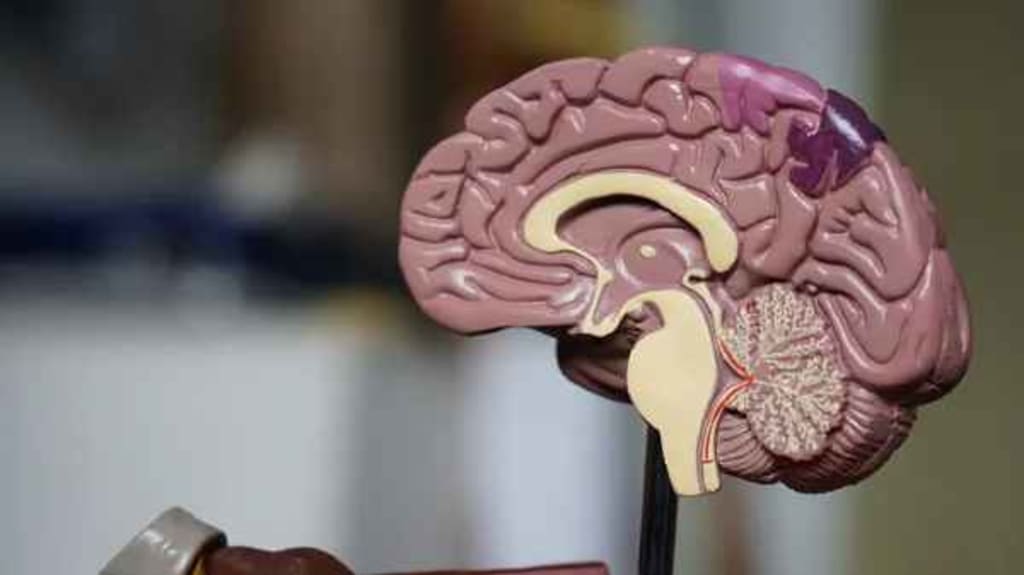
Body Fat Increases Your Dementia Risk
What Obesity Might Be Doing to Your Brain — And Why It Matters More Than You Think
Most people think of obesity as something that affects the body.
Heart disease. Diabetes. High blood pressure.
We’ve heard those warnings so many times that they almost feel routine now — like background noise we’ve learned to accept.
But there’s something far less discussed.
Something more silent… and arguably more frightening.
What if excess body fat isn’t just changing your body — but also slowly reshaping your brain?
And more importantly…
What if it’s increasing your risk of losing your memory, your clarity, and even your sense of self?
This is where science becomes uncomfortable.
Because the connection between obesity and dementia is not just theory anymore — it’s something researchers are increasingly seeing in real data.
And it deserves attention.
The Body–Brain Connection We Often Ignore
We tend to separate the body and brain in our minds.
The body gets tired. The brain thinks.
The body gains weight. The brain stays “safe.”
But biology doesn’t work that way.
Your brain is not isolated. It is deeply connected to everything happening in your body — your metabolism, your blood vessels, your hormones, and even your fat tissue.
And this is where obesity becomes more than just a physical condition.
It becomes a whole-body state that can quietly influence how the brain ages.
What “Neurodegeneration” Actually Means
Let’s simplify something important.
Neurodegeneration is a long, gradual process where brain cells begin to lose function and eventually die.
Over time, this can lead to conditions like:
memory decline
reduced thinking ability
difficulty learning new information
and in severe cases, diseases like dementia
It doesn’t happen overnight.
It’s slow. Quiet. And often unnoticed in the beginning.
That’s what makes it so dangerous.
Because by the time symptoms appear clearly, the process may have already been going on for years.
So Where Does Body Fat Come In?
Here’s the part most people don’t expect:
Fat tissue is not just “stored energy.”
It is biologically active.
It releases hormones and inflammatory chemicals that can affect the entire body — including the brain.
When someone has excess body fat, especially for long periods, the body can enter a state of chronic low-grade inflammation.
And inflammation is one of the key factors that scientists believe contributes to brain aging.
Think of it like this:
Your brain is a high-performance engine.
Inflammation is like slow, constant smoke inside that engine.
You don’t notice it immediately…
But over time, it affects performance.
The Silent Impact on Memory and Cognition
Researchers have observed that obesity is associated with:
reduced brain volume in certain regions
changes in memory-related structures
impaired blood flow to the brain
and increased risk of cognitive decline later in life
One of the most concerning findings is the link between obesity and dementia risk.
Dementia is not just “forgetfulness.”
It is a progressive loss of cognitive function — including memory, reasoning, and daily functioning.
And while many factors contribute to dementia, lifestyle and metabolic health appear to play a much larger role than previously thought.
Why This Connection Is Still Underestimated
One reason this topic doesn’t get enough attention is because the effects are slow.
Obesity doesn’t usually “damage the brain” in a dramatic, immediate way.
Instead, it works gradually:
year after year
decade after decade
It’s easy to ignore something that doesn’t hurt today.
But neuroscience is showing us something important:
The brain remembers what the body goes through.
Even when we don’t notice it at the time.
The Metabolic–Brain Link
Another key factor is insulin resistance.
When the body becomes less responsive to insulin (often linked with obesity), it doesn’t just affect blood sugar.
It may also affect how the brain uses energy.
And the brain is one of the most energy-demanding organs in the body.
If its energy supply becomes less efficient over time, it can contribute to cognitive decline.
This is one of the reasons scientists sometimes refer to Alzheimer’s disease as “type 3 diabetes” in research discussions — not as a clinical term, but to highlight metabolic involvement.
But Here’s the Important Part
This is not about fear.
And it is definitely not about blaming individuals.
Human health is complex.
Weight is influenced by genetics, environment, stress, lifestyle, mental health, and access to resources — not just “choices.”
What matters here is awareness.
Because awareness gives us the chance to act earlier, not later.
What This Means for Everyday Life
The encouraging part is that the brain is not fixed.
It is adaptable.
Even small improvements in lifestyle can support both metabolic and brain health over time.
Things like:
regular physical activity
balanced nutrition
managing stress
good sleep quality
These are not “quick fixes.”
But they are powerful long-term protectors of both body and mind.
A Final Thought
We often think of aging as something that happens to us later in life.
But in reality, brain health is shaped quietly — years before any symptoms appear.
The connection between body fat and dementia risk is not about panic.
It is about understanding that the body and brain are deeply connected systems, not separate worlds.
And what we do for one…
Eventually shapes the other.
Because protecting the brain is not just a medical goal.
It is a life-long investment in who we are, how we think, and how clearly we experience the world.
About the Creator
Mohib Ullah
I write about crime, justice, and political affairs, focusing on real cases and current events. My goal is to deliver clear, research-based content that informs readers about law, society, and government systems.
Enjoyed the story? Support the Creator.
Subscribe for free to receive all their stories in your feed.
Comments
There are no comments for this story
Be the first to respond and start the conversation.