
KILLERS!
You may not want to read this... But maybe you should

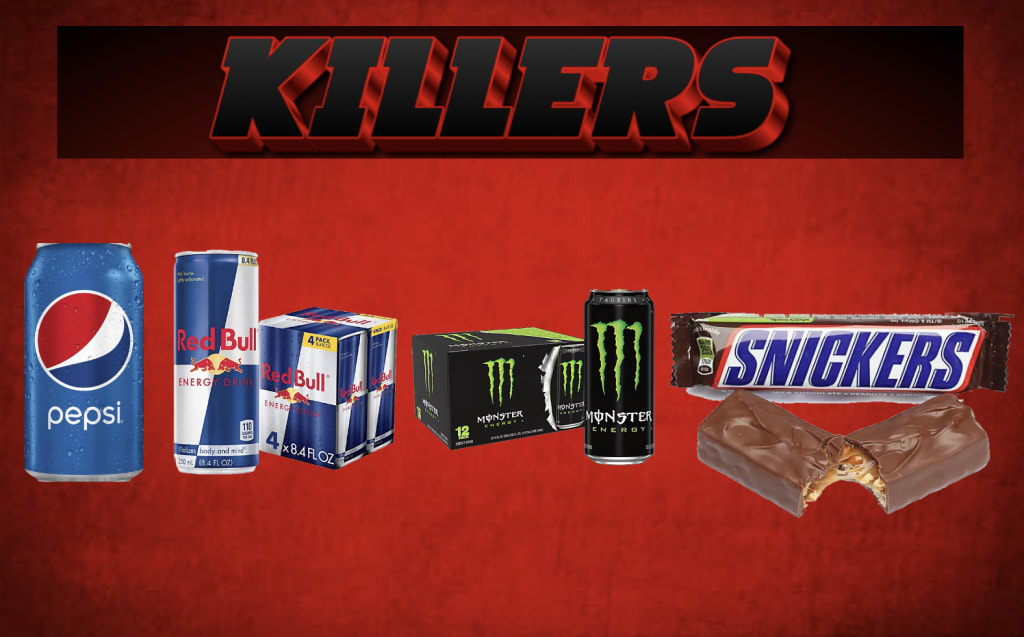
More and more these days I’m seeing my friends (family members) diagnosed with diabetes. There are several different types of diabetes. The ones I hear the most are pre-diabetes, type one diabetes, and type two diabetes. I've seen friends inject themselves with insulin, others take metformin or glipizide. Still, despite being diagnosed with diabetes many of them have a high sugar diet. They just cannot give up the sugar.
Altering the diet seems to not be an option. One of my friends went so far as to say, ”I don’t need to change my diet, I have medication to take care of that." That made me sad when I heard that. Another one of my friends said that he’s tried to decrease the amount of sugar he eats, but just does not have the willpower to stick with it.
I thought it might be interesting to take a look at a few of our most common snack items and talk about the sugar content and the effects that too much sugar has on your body and your brain.
Fortunately in the United States, the most consumed beverage is bottled water, only to be closely followed by coffee and soft drinks.
Let’s start out with a popular beverage. About 50% of adults and 63% of children drink at least one full sugar soda every day. That’s more than half of the population in the United States.
Pepsi Cola is one of the most popular brands across the country. They sell the equivalent of 36 million 12 ounce cans of soda daily. That’s a lot of cans of soda. They’re not even the number one selling brand in the US. The number one selling brand is Coca-Cola.
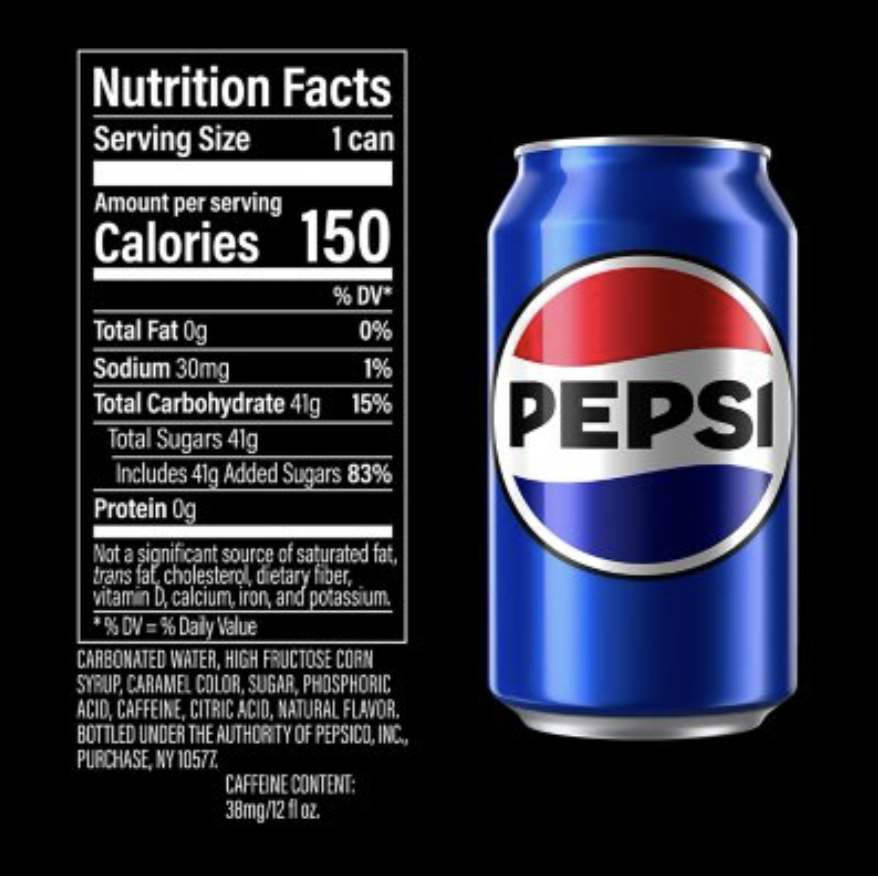
A friend of mine was drinking a can of full sugar caffeinated Pepsi in front of me. She drinks a Pepsi everyday, sometimes two. Knowing how much soda she drinks daily I had to grab that can of soda and take a look at the sugar content. As this particular friend is diabetic and does inject herself with insulin on a daily basis.
When I looked at the back of the can I was shocked. The sugar content is very high.
I said to my friend, “This has 41 grams of added sugar.” Her response was, “Oh, that’s not so bad.” I told her but that’s 83% of your recommended daily allowance. That’s almost your entire day's worth of sugar in this can. Her response was, “Well, at least it's not a full day of sugar.” My friend sadly is in denial of her sugar intake.
I quickly did a Google search and told my friend, “The sugar in that can of soda is equivalent to ten teaspoons of sugar. Her response was, “That’s a lot of sugar. But it’s a liquid, so it’s got to be watered down. It can’t be that bad for me.” My friend just did not want to acknowledge the fact that she is poisoning her body.
After all that, my friend pulled a Snickers candy bar out of her purse. To be honest I was in shock. I thought to myself, “ is she really going to eat that right now?”
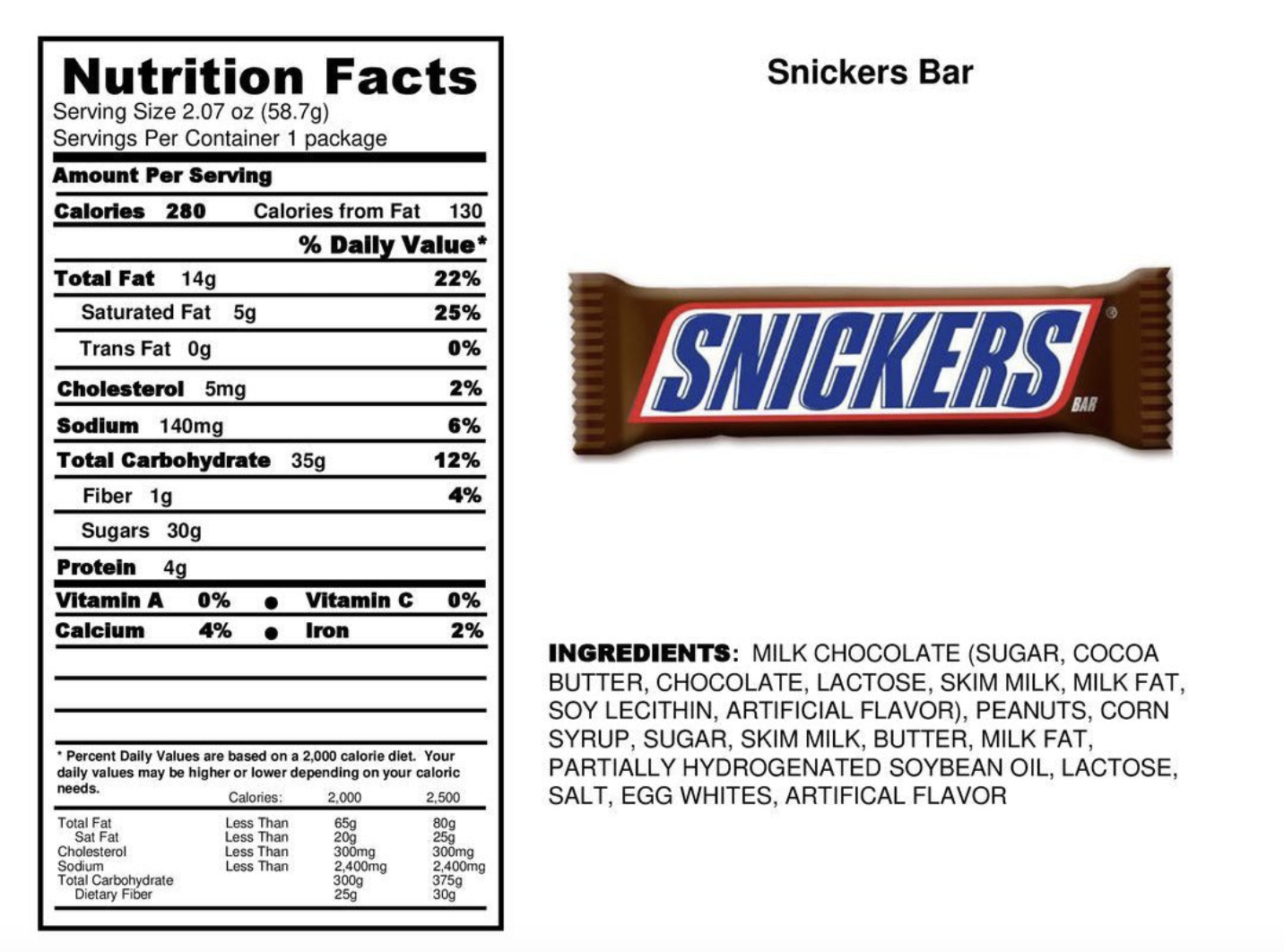
Like the can of soda I took a look at the label of the candy bar. This was a 1.86 oz bar, it’s a common size you can find in any store across the United States.
I let her know that the Snicker also has a lot of sugar. It's 30 grams of sugar which is about 73% of your recommended daily intake. This time she did not respond so I just dropped the subject. I knew that it wasn’t going to make a difference to her. She was going to eat it anyway.
30 grams of sugar is 73% of the recommended daily allowance. Therefore if you drink the 12 ounce can of Pepsi and eat the 1.86 ounce bar of Snickers you will have had 156% of the recommended daily allowance of sugar. That’s something to think about. A lot of people don’t stop there. It’s like a sugar fest all day long.
Let’s break this down. 71 grams of sugar is equivalent to 17 teaspoons of sugar. That’s what you are eating in that seemingly harmless soda and candy bar. They sure do taste good, don’t they? But do they really taste that good? Maybe your heart, your brain, and your nervous system might be telling you something different. But your taste buds are saying, “yummy!”
Consuming large amounts of sugar increases the risk of dying from heart disease, even if you aren't overweight.
Sugar can contribute to high blood pressure, chronic inflammation, and high cholesterol, all of which are risk factors for heart disease.
Excessive sugar intake can lead to weight gain and obesity, which further increases the risk of heart disease, type 2 diabetes, and other health problems.
Sugar can also contribute to liver disease and tooth decay.
The American Heart Association recommends no more than 37 grams of added sugar a day for men and no more than 25 grams of added sugar a day for women. That is still a good amount of sugar if you break it down into teaspoons. 37g is equivalent to 9 teaspoons of sugar while 25g is equivalent to 6 teaspoons of sugar.
So, what can a person do if they must have that soda? One answer is you can switch to diet soda. Of course diet soda has its own set of health issues. You’re basically choosing the lesser of two evils. If you have problems with your sugar levels then diet soda would be the way to go if you just cannot give up soda.
Diet sodas are significantly lower in calories compared to regular sodas, which can aid in weight management.
The artificial sweeteners in diet sodas do not raise blood glucose levels like sugar does, making them a better option for people with diabetes or those who need to control their blood sugar.
How about some of the other snacks that you eat? Ice cream is a very popular snack. But it can be full of sugar. I see a lot of people piling on whipped cream and pouring chocolate syrup all over it. That ends up being a sugar overload. But boy it sure looks good and tastes good. However after you eat that snack you can feel all that sugar in your stomach and then you get that sugar rush, then you crash and comes on the sleepy headache. That’s when you realize that you should not have done that to yourself. Addiction is a dangerous illness. So what can you do? Educating yourself is important and joining a support group or speaking with a counselor or nutritionist can save your life.
I love ice cream and I buy a no sugar added ice cream. The sugar content is much lower. I give myself only two scoops, not five or six scoops. No whipped cream and no chocolate syrup. The ice cream in itself is pretty tasty and it’s a satisfying little snack. Plus I know that I am taking care of my body. We get to that point where we have to ask what’s more important, the indulgence or my body?
I no longer use real sugar in my cereal or coffee. I also do not use any other sugar substitutes such as Nutrasweet or Sweet and Low. Instead I am now using Stevia or Monk Fruit.
Pure Stevia, a natural, plant-based sweetener, does not significantly affect blood glucose or A1C levels. However, some stevia products contain additives that could impact blood sugar.
Many stevia products contain additional ingredients and additives, such as dextrose and maltodextrin, that can raise blood sugar levels.
Make sure to read the ingredients on the label before you purchase your Stevia.
The same criteria goes for monk fruit. It’s definitely a better choice for a diabetic or a person looking to control their sugar levels. But monk fruit can also come with additives such as dextrose and maltodextrin. You need to read those labels before you make your purchase.
Consuming high levels of sugar daily can also negatively impact your brain, potentially leading to issues like disrupted dopamine levels, altered cognitive function, and increased risk of dementia and mental health problems like anxiety and depression.
Excess sugar consumption can lead to inflammation in the body and brain, which is linked to various health problems, including neurodegenerative diseases like Alzheimer's. Inflammation can cause oxidative stress, damaging cells, including neurons, and leading to cognitive decline.
High sugar intake can lead to insulin resistance, where the body's cells become less responsive to insulin, a hormone that regulates blood sugar levels. Insulin resistance in the brain can contribute to the development of Alzheimer's disease.
Studies have shown a direct association between high sugar consumption, elevated blood glucose levels, and the proliferation of amyloid plaques in the brain, a hallmark characteristic of Alzheimer's disease.
Let’s quickly touch on two of the United States' most popular energy drinks, Red Bull and Monster Energy.
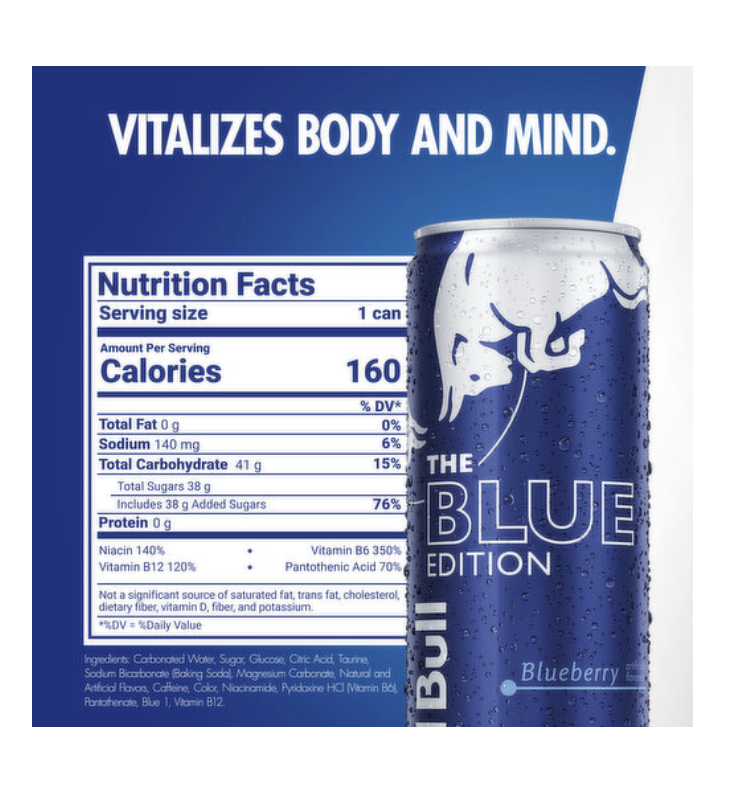
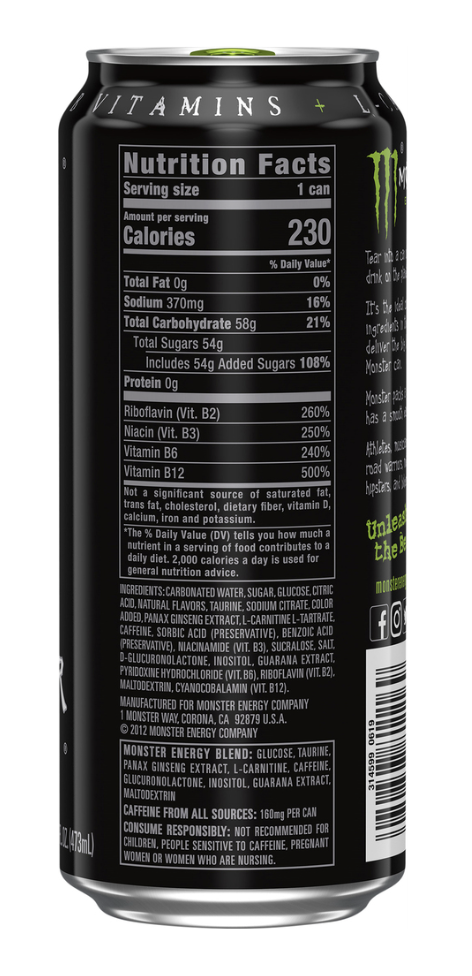
Both are packed with a ton of sugar as much as more than 100% of your recommended daily allowance for sugar. That’s a lot just in one drink. On top of that there’s a whole lot of caffeine in there. These beverages are a recipe for heart disease, diabetes, dementia, Alzheimer’s. My advice, given ever so humbly, is “Danger: stay away!”
There are sugar-free versions of both Red Bull and Monster but you’re still dealing with the high caffeine content. Caffeine presents its own range of dangers. That I may explore in another essay.
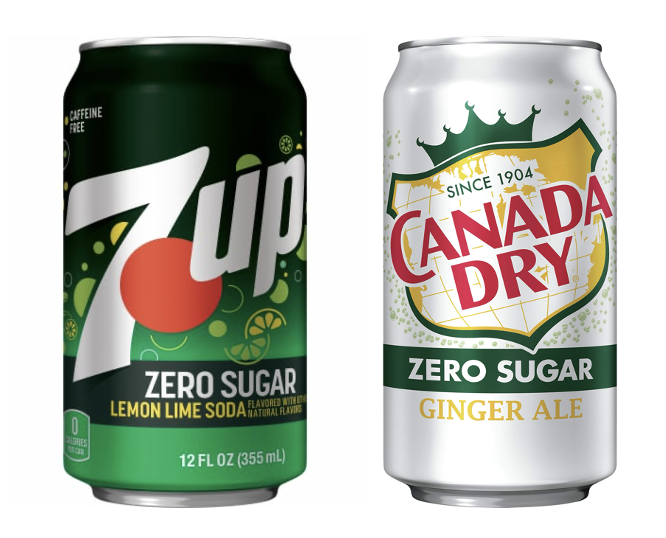
What do I drink when I want a soda? I’ve been enjoying zero sugar 7-Up or zero sugar Ginger Ale. No sugar, no caffeine. Yes it’s still soda and it presents other ranges of potential health issues. But they are the safer choice for your sugar levels and your brain.
💜🩷💙
Look mom! I proofread this all by myself! No help from AI.
About the Creator
Rick Henry Christopher
Writing fulfills my need for intellectual stimulus, emotional release, and soothing the bruises of the day.
I’m an open book. I’m not afraid to show my face or speak my mind
https://www.facebook.com/groups/vocalplusassist
Enjoyed the story? Support the Creator.
Subscribe for free to receive all their stories in your feed. You could also become a paid subscriber, letting them know you appreciate their work.
Comments
There are no comments for this story
Be the first to respond and start the conversation.