
12 Autumn Superfoods That Act Like Medicine For Your Body
And How To Use Them

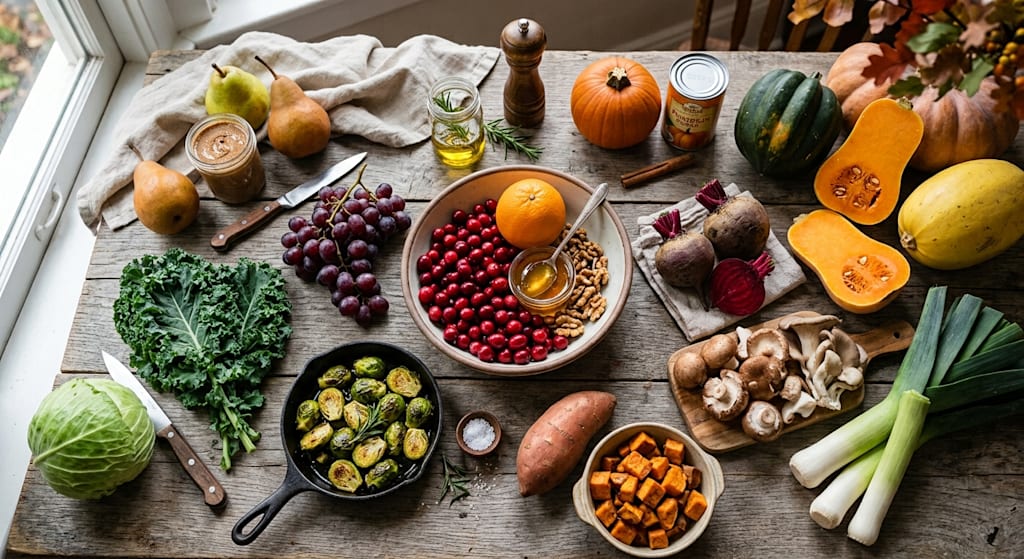
When the weather turns crisp and the leaves start to drop, our natural instinct is to crave warm, cozy comfort food. Hold on though, before you fall into a cycle of heavy processed meals, take a look at what’s landing on your local grocery shelves right now. Autumn isn't just about pumpkin spice, it's prime season for some of the most underrated, potent, nutrient-dense produce of the entire year.
Eating with the seasons is one of the easiest ways to practice healthy eating on a budget. Seasonal fruits and vegetables are cheaper, fresher, and packed at their peak with the exact vitamins your immune system needs as the temperature dips. If you want to load up on healing pantry items and fresh farm-fresh staples, these 12 dietitian-approved autumn powerhouses deserve a spot in your grocery cart.
1. Cranberries: The Tiny Antioxidant Powerhouse
Forget the canned jellied stuff loaded with high-fructose corn syrup, fresh cranberries are autumn’s tart little treasures. They’re brimming with broad spectrum antioxidants and anti-inflammatory compounds that protect your heart. Plus, they contain unique proanthocyanidins that prevent unwanted bacteria from sticking to your urinary tract.
How to eat them: Skip the heavy sugar and pulse fresh cranberries in a food processor with a whole orange, a handful of walnuts, and a splash of raw honey for a zesty fresh relish. You can also throw a handful into wild rice or cozy autumn stews for a bright pop of flavor.
2. Pears: The Gut-Health Champion

Pears are underrated gems when it comes to budget natural remedies. Just one medium pear packs roughly 6 grams of dietary fiber, a massive win for your digestion, gut microbiome, and blood sugar control. They are also rich in vitamin C and potassium to support stable blood pressure.
How to eat them: Catch them right at peak ripeness when they yield slightly to the touch. Slice them thin over a goat cheese salad, roast them alongside chicken or pork, or simply pair one with raw almond butter for a perfectly balanced afternoon snack.
3. Crisp Grapes: The Brain & Heart Booster
Table grapes hit their absolute peak crispness in autumn. Beyond their satisfying crunch, grapes are loaded with polyphenols (like resveratrol) that support your cardiovascular system, cognitive focus, eye health, and skin elasticity.
How to eat them: Keep a bowl of washed, chilled grapes in the fridge for a quick sweetness fix. For a cozy twist, try roasting seedless grapes on a sheet pan with a drizzle of olive oil and fresh rosemary to serve over goat cheese or grain bowls.
4. Kale: The Ultimate Bone Builder

Love it or hate it, kale is a undeniable nutritional heavy hitter. It's overflowing with calcium and vitamin K, the ultimate duo for maintaining strong bones and supporting healthy blood clotting. It’s also loaded with antioxidants that protect your cells from daily oxidative stress.
How to eat it: If raw kale feels too tough, strip the fibrous stems, chop the leaves fine, and massage them with a little olive oil and lemon juice to break down the tough fibers. You can also toss it into scrambled eggs, blend it into smoothies, or bake it into crispy kale chips.
5. Cabbage: The Underrated Immunity Shield
Cabbage might seem humble, but it holds its own against pricey superfoods. A single cup of raw shredded cabbage delivers nearly a third of your daily vitamin C, along with vision-protecting antioxidants like lutein and zeaxanthin.
How to eat it: Use it raw to add a crisp texture to slaws and fish tacos, or chop it into thick ribbons and simmer it directly into hearty vegetable soups and stir-fries.
6. Brussels Sprouts: The Cellular Protector
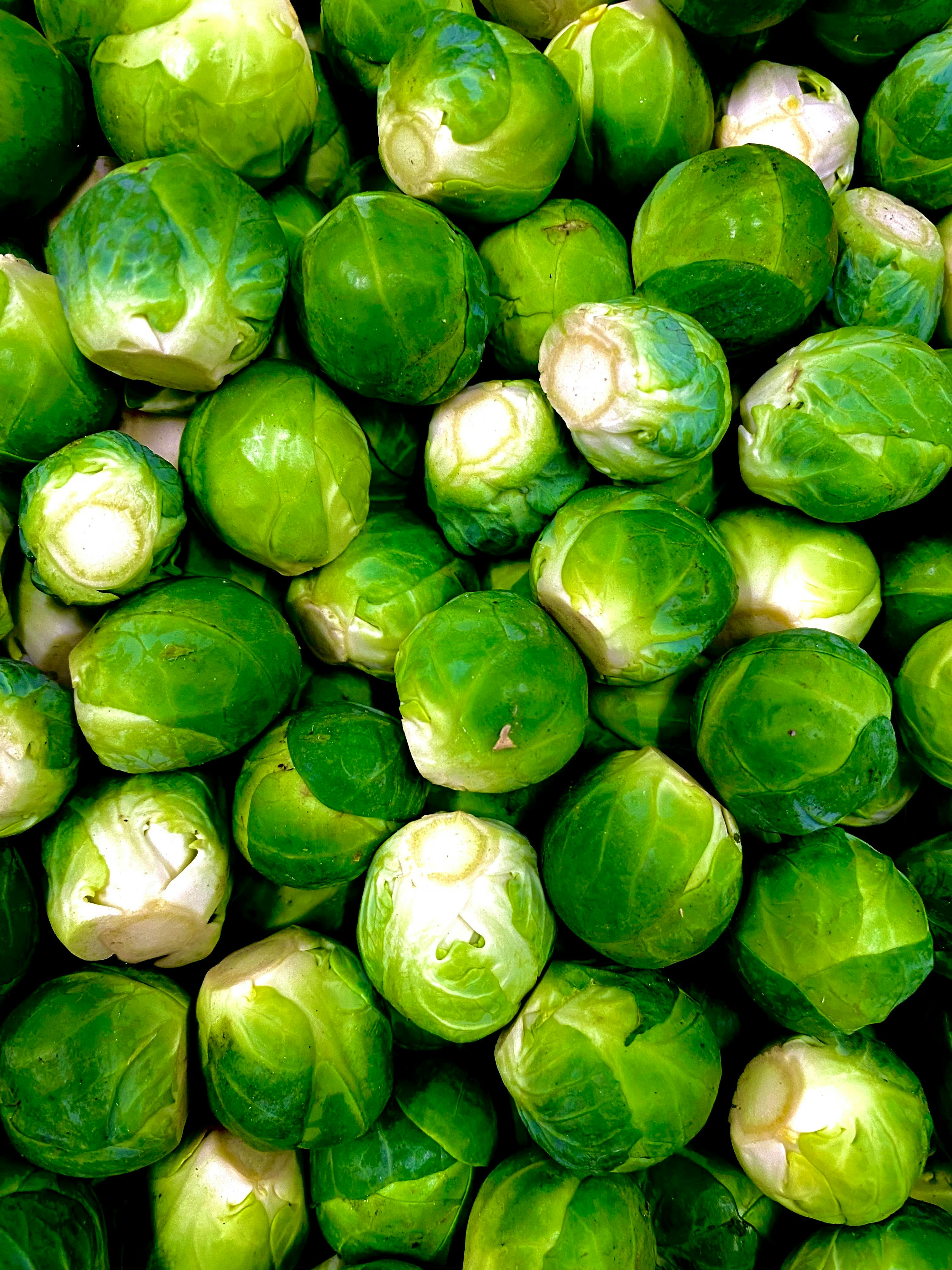
I know, I know. We all grew up detesting Brussels sprouts, yellow and boiled to mush. In my experience, preparation was likely the culprit. These mini cabbages belong to the cruciferous family, which means they are rich in glucosinolates compounds extensively studied for their ability to protect cells and support natural liver detoxification.
How to eat them: Halve them, toss with olive oil, a drizzle of maple syrup, and sea salt, then roast at high heat until the outer leaves turn dark brown and caramel-crispy.
7. Pumpkin: The Vision & Fiber Secret
Pumpkin is far more than a porch decoration or a syrup flavor. Its deep orange flesh gets its color from carotenoids (like beta-carotene), which your body converts straight into vitamin A to support bright vision, glowing skin, and cellular defense.
How to eat it: Skip the sugary baked goods and stir pure pumpkin purée into your morning oatmeal, blend it into protein smoothies, or simmer it with vegetable broth and warm spices for a rich, velvety soup.
8. Winter Squash: The Comfort-Food Swap
From acorn to butternut and spaghetti squash, winter squashes are packed with fiber, potassium, and magnesium. They deliver that comforting, starchy satisfaction of heavy carb dishes while keeping your blood sugar stable.
How to eat them: Roast spaghetti squash to use as a fiber-packed replacement for wheat pasta. Slice acorn squash in half, roast it, and use the hollow centers as edible bowls for wild rice and ground turkey.
9. Beets: The Natural Circulation Enhancer
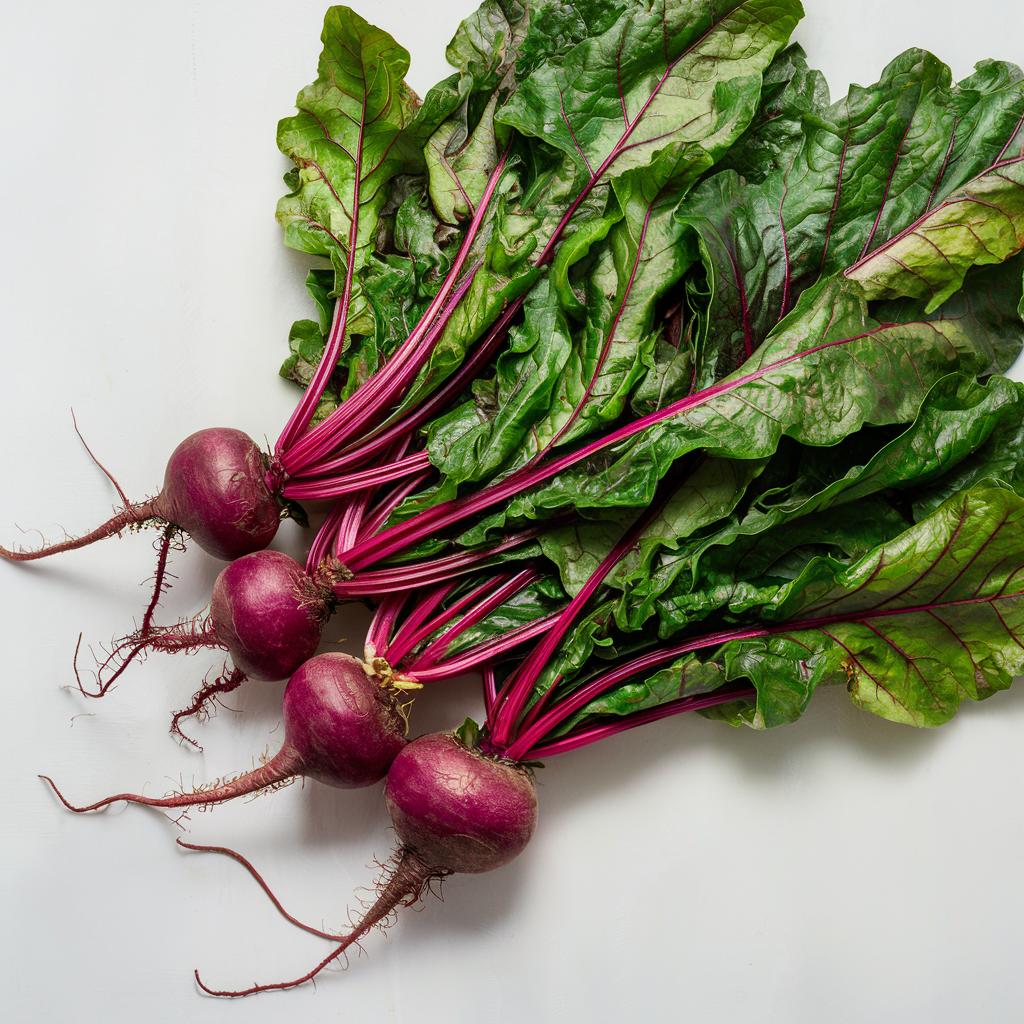
With their earthy sweetness and deep crimson hue, beets do wonders for your blood flow. They are naturally high in dietary nitrates, which your body converts into nitric oxide. This relaxes your blood vessels, promotes smooth circulation, and can even lower blood pressure naturally.
How to eat them: Wrap whole beets in foil and roast them until tender, then peel and dice them into salads with walnuts and feta. For a quick boost, buy pickled beets or shred fresh raw beets over grain bowls.
10. Sweet Potatoes: The Slow-Burn Energy Source
Rich in beta-carotene, vitamin C, and gut-soothing fiber, sweet potatoes are the gold standard for healthy complex carbs. They offer sustained, slow-burning energy without triggering insulin spikes.
How to eat them: Cube them up and roast them as a hearty base for grain bowls, toss them in an air fryer for homemade sweet potato fries, or bake them whole and top with almond butter and cinnamon.
11. Mushrooms: The Cognitive Guardian

Whether you prefer shiitake, cremini, or simple button mushrooms, fungi offer a rich savory umami flavor alongside serious brain health benefits. They contain rare antioxidants like ergothioneine, which help reduce brain inflammation and support long-term memory and cognitive focus.
How to eat them: Sauté them thoroughly in a pan with garlic and olive oil until browned, then stir them into cozy autumn soups, egg scrambles, or pasta dishes.
12. Leeks: The Gentle Gut Prebiotic
Leeks belong to the allium family alongside garlic and onions, but they offer a much milder, sweeter flavor. They are packed with prebiotic fibers that feed your beneficial gut bacteria, helping maintain a balanced digestive tract and strong immune system.
How to eat them: Trim off the tough dark green tops (save them in your freezer to make homemade bone or vegetable broth later!). Slice the tender white and light green stalk, wash out any hidden dirt, and sauté them as the flavorful base for casseroles, frittatas, and soups.
Eat Well, Feel Great This Season
Fueling your body with vibrant, natural health remedies doesn't require expensive powders or confusing meal plans. By simply shifting your grocery list toward seasonal, whole produce, you give your body the exact nutrients it needs to thrive through the cooler months.
Want to take your healthy eating journey even further?
Fight Alzheimers Without Pills: Find Out How
👉 Download your free guide: 50 Foods That Fix 9 Common Health Issues to learn how to transform everyday grocery items into your primary toolkit for energy, gut health, and daily vitality!
About the Creator
Amanda Bennett
The Power of Produce
How We Eat to Glow, Heal & Thrive.
Teaching u to use food as medicine.
Want To Know More About Foods That Heal?
Get Your Guide Now!
Eat Your Way To Better Health: 50 Foods To Fix 9 Common Health Issues (FREE DOWNLOAD)
Enjoyed the story? Support the Creator.
Subscribe for free to receive all their stories in your feed.
Comments
There are no comments for this story
Be the first to respond and start the conversation.