Analysis
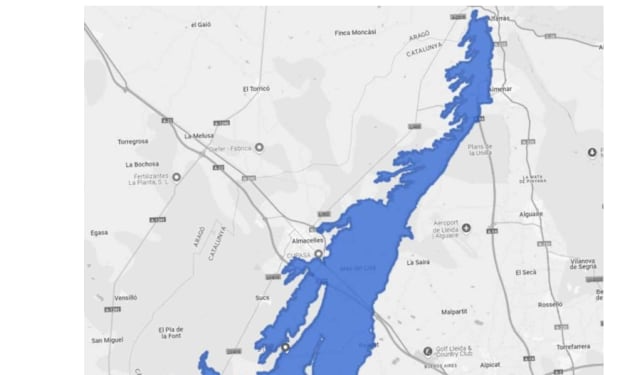
Under a huge metropolis, a massive secret water resource was found.
A huge subterranean water reserve covering 31 square miles beneath farmland in northeastern Spain has been discovered by scientists. The discovery challenges preconceived notions about how to use and safeguard the area's subsurface water.
By Francis Dami5 months ago in History
Amos Guiora, Ph.D., J.D. on Recovered Holocaust Books, Enablers, and Denial
How do recovered Holocaust books connect Amos Guiora’s work on enablers to antisemitism today? Prof. Amos N. Guiora is an Israeli-American professor of law at the University of Utah’s S.J. Quinney College of Law and directs the school’s Bystander Initiative. He holds an A.B. in history from Kenyon College, a J.D. from Case Western Reserve University School of Law, and a PhD from Leiden University. Guiora served 19 years in the Israel Defence Forces, retiring as a lieutenant colonel, and helped implement the Oslo Peace Process (1994–1999). His work examines national security, institutional complicity, and enabling cultures behind sexual abuse; he has authored The Crime of Complicity, Armies of Enablers, and Legitimate Target.
By Scott Douglas Jacobsen5 months ago in History
The Blue Surge
The trajectory of Botswana’s athletics is more than a sporting timeline; it is a masterclass in national evolution. It is the story of a diamond-rich nation that realized its most precious export wasn't mined from the earth, but forged on the synthetic curves of a running track. Over fourteen years, Botswana transitioned from an ambitious underdog to the undisputed epicenter of global relay sprinting.
By Mogomotsi Moremi5 months ago in History
The Roman Navy’s Secret Weapon Wasn’t Iron or Fire — It Was Tree Sap and Pollen
The ship sank in shallow water. Four meters. That was all it took to preserve the wreck for 2,200 years. Oxygen could not reach it. Shipworms could not eat it. The seabed of the Adriatic, off the coast of modern-day Croatia near the island of Ilovik, became a time capsule. The merchant ship had carried wine and timber, and it sank sometime in the middle of the second century BCE.
By Chronicle and Void5 months ago in History
Julius Caesar's Real Killers Weren't in Rome. They Were in Pergamum.
Three days before the Ides of March, a bannerless ship docked at Pergamum. It carried no cargo except a single leather satchel. The courier rode directly to the Athena Nikephoros temple complex, which served as the city's treasury, and did not emerge until dawn. No Roman official was informed of the visit.
By Chronicle and Void5 months ago in History