Nature
Climate, fauna, and economics might all be hidden on the same property.
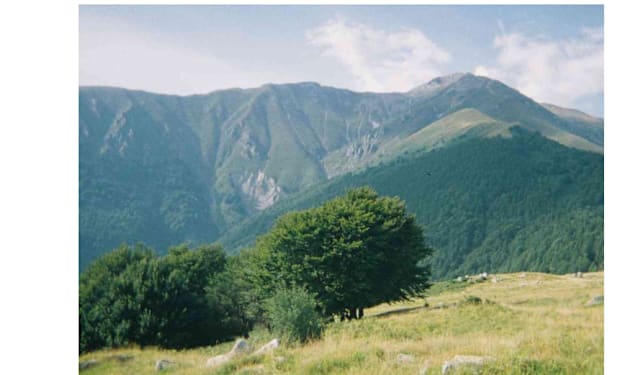
Land-use choices have been portrayed as trade-offs for decades. Preserve grasslands, marshes, and woods or turn them into mining, farms, and other economic development opportunities. New worldwide maps cast doubt on the notion that benefits for the environment will come at a financial cost.
By Francis Dami4 months ago in Earth
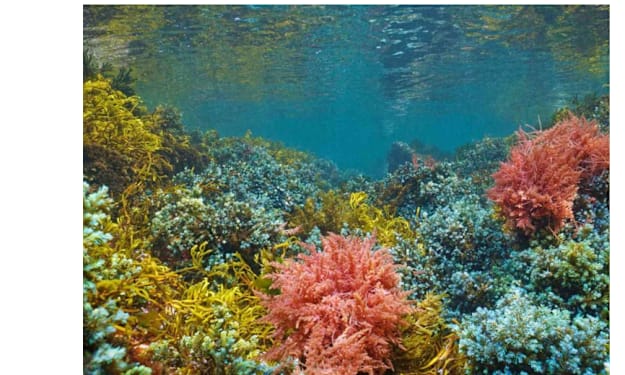
Before scientists realised it, a massive kelp forest vanished from the water.
A baseline, or an image of the shoreline prior to the damage, is necessary for measuring kelp loss throughout British Columbia's coast. For many years, the definition of normal was determined by records dating back to approximately 2000. However, that definition proved to be incorrect.
By Francis Dami4 months ago in Earth
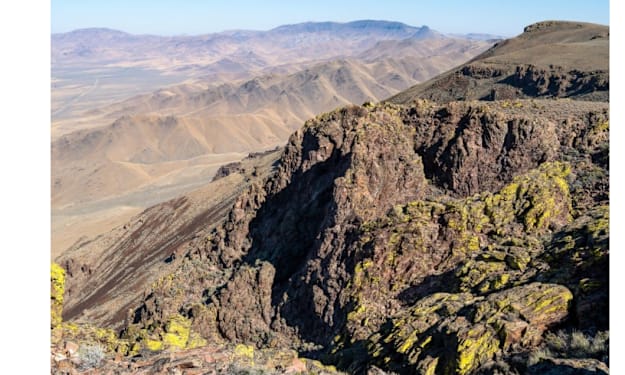
One of the oldest relationships on Earth may be concealed behind desert moss.
Moss appears to survive on very little. It reappears minutes after rain, colonises bare rock, and withstands almost complete desiccation. The great majority of land plants collaborate underground with fungi to exchange sugars for nutrients that they are unable to obtain on their own. The exception had always been mosses.
By Francis Dami4 months ago in Earth
The Sky Is Not Empty — It's Just Far Away. AI-Generated.
Why Aliens Probably Haven't Visited Earth — And What's Really Going On Up There The universe is too big, physics is too strict, and Earth's own history already explains the "mystery" better than any spaceship could.
By write with shan4 months ago in Earth
From Soil to Soul: Growing a Greener World. AI-Generated.
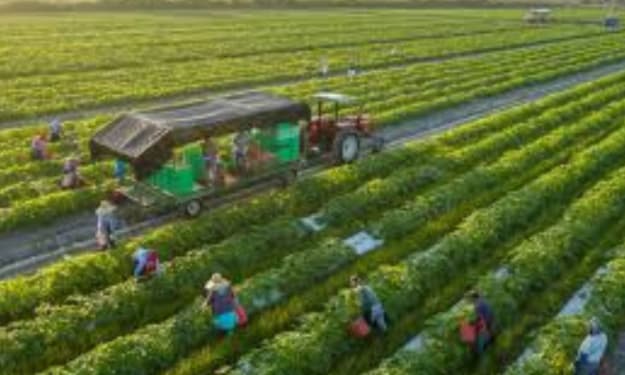
The earth is a wonderful gift. When we care for it with love and respect, it gives us clean food, fresh air, and a healthier life. Organic farming is all about building that warm friendship with the land, and the results are truly amazing.
By Priya Gupta4 months ago in Earth
America’s Quiet Masterpieces: Places That Take Your Breath Without Asking
Elena packed one bag, a notebook, and her grandfather’s old map. He’d drawn it himself, with coffee stains and pencil notes in the margins: “Grand Canyon at sunrise = God’s amphitheater. Zion when it rains = the earth singing. Big Sur at dusk = where the sky learns to be quiet.” He never saw them. He died the winter she turned twenty. She was twenty-eight now, and the map was soft at the folds from being opened too many times. “America’s beautiful places” he’d written on the cover. Not the famous ones only. The quiet ones too. Her first stop was Utah. Zion. She arrived after a storm, boots muddy, hair still wet. The canyon walls were red and wet and they looked like they were bleeding color. Water fell from the cliffs in a thousand thin ribbons. It didn’t roar. It sang. High, clear notes that bounced off stone and settled in her chest. Elena sat on a rock and opened the notebook. She couldn’t write words. She just drew the shape of the sound. A ranger walked past and stopped. “First time?” “First time listening,” she said. He smiled. “That’s the only way it works.” Two weeks later she was in Arizona. The Grand Canyon at 5:43am. Cold bit her fingers but she didn’t zip her jacket. She wanted to feel it. The sky lightened from black to ink to blue, and the canyon revealed itself layer by layer, like someone pulling back curtains. It wasn’t beautiful because it was big. It was beautiful because it was old. A billion years of river and wind and patience, stacked. Elena thought of her grandfather’s hands, how they shook near the end but still held hers steady. Patience, stacked. She wrote: “We think beauty is about seeing. It’s about waiting.” In California, Big Sur gave her fog. The Pacific crashed against cliffs below her, and the fog rolled in like a breath the ocean was holding. For an hour she couldn’t see the water. Just white, and the sound of waves she had to imagine. Then the fog lifted for sixty seconds. The sun cut through, hit the water, and turned it to glass and fire. Then it was gone. That was enough. A woman beside her whispered, “It always does that. Waits till you stop trying to capture it.” Elena nodded. Her phone stayed in her bag. She drove through Nevada next, because the map had a tiny star next to Great Basin National Park and her grandfather’s note said “Stars remember you here.” He was right. At 9,000 feet there was no town light for miles. The sky didn’t look like a sky. It looked like depth. Like if she fell she’d fall up. She lay on the hood of her car and counted meteors until she lost track. The universe was not quiet. It was just that humans talked too much. Montana came in autumn. Glacier National Park. The lakes were so clear they looked like mistakes. Elena dipped her hand in Lake McDonald and the cold shot up her arm. Underwater, the stones were every color. The mountains reflected perfectly, and for a moment she couldn’t tell where the real world ended and the reflection began. A loon called across the water. One note, long and lonely, and it made the whole valley feel bigger. She thought about calling someone. Telling them. But beauty like this didn’t fit in a phone call. It fit in silence. It fit in being there. Her last stop wasn’t on the map. Her grandfather had left the last page blank except for one sentence: “Find the place that finds you.” She found it in Maine. Acadia, in October. The wind came off the Atlantic sharp and clean. Pine trees bent but didn’t break. Waves hit the rocks at Thunder Hole and the sound was so deep she felt it in her ribs. The leaves were red and gold and they fell without hurry. Elena sat on the edge of a cliff with her legs dangling and opened the notebook. She didn’t draw. She didn’t write. She just listened. Mountains, deserts, coastlines. They weren’t writing poetry for her. They were poetry, whether she was there or not. Her grandfather knew that. He’d given her the map not to show her places, but to teach her how to be quiet enough to be changed by them. On the drive home, she stopped at every small pull-off. A field of wheat in Kansas that moved like water. A roadside creek in Colorado where the stones were round and patient. A sunset in New Mexico that didn’t look real but was. America’s beautiful places didn’t ask for attention. They waited for it. And when you gave it, they gave you back something harder to name. Perspective, maybe. Or peace. Or just the reminder that you were small, and that being small was okay. Elena mailed the notebook to her brother with no letter inside. Just the map, now with her own notes added in blue ink beside her grandfather’s pencil. She didn’t need to explain. He’d understand when he opened it. Beauty, she learned, isn’t a destination you reach. It’s a way of paying attention. And once you start, the whole country becomes a story
By Khalil Ullah4 months ago in Earth
Whispers of the Wildflower Valley
Mira had walked past the old stone bridge every summer of her childhood, but she never crossed it. The villagers called the meadow on the other side “the Wildflower Valley,” and they said it only showed itself to those who were listening. She was fifteen when she finally stopped being afraid of listening. The bridge was made of river stones worn smooth by time and water. Below it, the river didn’t rush. It moved like it was thinking. Mira crouched and pressed her palm to the surface. The water was colder than she expected, and for a second she thought she heard her own name in the current. Not spoken. Remembered. She crossed. The valley opened like a held breath. Wildflowers stretched to the horizon in every color she didn’t have names for. There were blues that belonged to deep water, yellows that held sunlight, and purples so quiet they felt like dusk. Bees moved lazily between them, drunk on pollen. The air smelled like honey and rain that hadn’t fallen yet. An old woman sat on a fallen log near a circle of white stones. Her hair was the color of river mist and she was weaving something from grass and thread-thin twine. She didn’t look up when Mira approached. “You heard it, then,” the woman said. “Heard what?” Mira asked. “The valley.” The woman lifted her weaving. It was a map, but not of roads. It was made of leaves stitched together, each vein dark and deliberate. “Every leaf tells a secret. You just have to be quiet enough to let it.” Mira sat on the grass. The silence here was different. In town, silence was empty. Here, it was full. She could hear the roots drinking, the flowers turning toward the light, the river speaking to the stones. The woman handed her a maple leaf. It was red at the edges and gold at the center, though it was only June. “This one remembers a winter that lasted too long. The tree that grew it thought the sun had forgotten it. But the river kept whispering that spring would come. Rivers remember the sky even when the ground can’t.” Mira turned the leaf over. She didn’t know how, but she could feel it: the slow ache of waiting, the patience of branches, the relief when green finally returned. It wasn’t magic. It was attention. The valley had been paying attention for a thousand years, and now it was letting her listen too. Days passed without Mira noticing. She learned to read the leaves. The narrow ones told stories of wind. The broad ones remembered shade and the children who hid under them. The fern fronds carried the memory of rain, drop by drop. At night she slept by the river and dreamed in colors that didn’t exist in town. The river hummed against the stones, and she understood it was humming the sky back to itself, note by note. On the seventh day, the woman gave Mira a choice. “You can stay. Learn all the secrets. Become part of the listening. Or you can take one leaf back with you. Just one. It will remind your town what it’s like to be remembered.” Mira thought of her grandmother’s garden behind their small house, where the soil was tired and the flowers bloomed small. She thought of how quickly people walked past the river without touching it. She picked a leaf from a wild rose. It was small, with five points, and along one edge a caterpillar had taken a bite that made it look like a crescent moon. “I’ll go back,” she said. “But I’ll come back to listen.” The woman smiled. “That’s the only way it works. The valley doesn’t belong to anyone. It belongs to the remembering.” Mira crossed the stone bridge again. The town looked the same, but she didn’t. She planted the rose leaf at the edge of her grandmother’s garden and watered it every evening. It never grew into a tree. That wasn’t the point. On windy days it would tremble, and if you were quiet, you could hear it whisper. Not words. A feeling. Of patience. Of water moving over stone. Of a sky that the river had memorized and was still trying to teach the earth. Years later, when Mira was the one with mist-colored hair, children would come to her garden. They’d press their ears to the soil and ask what the leaf was saying. She’d tell them the truth: that nature doesn’t shout. It waits. That beauty isn’t just what you see, but what you’re willing to hear. That every leaf, every river, every blade of grass is keeping a story, and the world gets kinder when someone stops to listen. And on summer evenings, when the light turned gold and the air smelled like rain that hadn’t fallen yet, Mira would walk back to the old stone bridge. She’d crouch, press her palm to the water, and let the river remind her of the sky. Then she’d cross over, because the Wildflower Valley was always there for those who remembered how to listen. The seasons turned. Drought came once and the river shrank to a thread, but it never forgot the sky. Mira taught the children to cup their hands in the shallow water and feel the memory of rain. When frost came early, she showed them how the bare branches still held the shape of leaves, like a promise. One spring, a boy who never spoke brought her a stone from the riverbed. It was smooth and gray, with a white vein running through it like lightning. He placed it in her palm and looked at her, waiting. Mira closed her eyes. The stone remembered pressure, centuries of it, the weight of mountains becoming sand. It remembered being held by water. It remembered being found. She tied the stone to a string and gave it back to him. He wore it every day after that. He started speaking again, but only in whispers, as if he’d learned that quiet things carry farther. The Wildflower Valley never changed, and yet it was always new. Each time Mira crossed the bridge, the flowers had rearranged themselves. New secrets in old leaves. New light on old water. The valley asked nothing of her except attention, and gave her everything in return: the understanding that beauty is not a thing you take, but a conversation you join. On her last evening, Mira sat on the fallen log where the old woman had once woven leaves. The woman was gone now, but the weaving remained, tucked under a stone. Mira added one more leaf to it: a thin, silver birch leaf that had floated down that morning. It told the secret of letting go. She pressed her palm to the river one last time. The water was cold, and it remembered her name. It remembered all the names of everyone who had ever listened. Then she stood, and walked home through the meadow, the wildflowers brushing her knees, the sky reflected in every petal, every drop, every quiet, listening heart.
By Khalil Ullah4 months ago in Earth
The Bench That Remembered Names
The bench showed up in Riverside Park before I was born. Nobody knows who put it there. The city records just say “donated, 1972.” It’s not special to look at. Weathered wood, iron legs, a few carved initials that no one can read anymore. It sits under the big oak near the pond, where the morning light comes through the leaves in pieces. For thirty years, an old man sat on the left side of that bench every morning at 7 a.m. He wore the same brown coat, even in summer. He carried a paper bag with two things: a thermos of tea, and a small notebook. We called him Mr. Eli. Nobody knew his last name. He never offered it. I met him when I was seventeen and thought my life was over because a college rejection letter came in the mail. I was crying on the right side of the bench, trying to be quiet about it. He didn’t say “you’ll be fine.” He didn’t give advice. He just slid the thermos cap toward me. Steam came out. He poured tea. Then he opened his notebook, tore out a page, and wrote something. He folded the paper and put it on the bench between us. It said: “Aisha. You are allowed to be disappointed. That doesn’t mean you’re done.” I never told him my name. That was the first thing I learned about Mr. Eli. He knew names he was never told. The park people started noticing it over the years. Not like magic. Like attention. The jogger who lost his daughter — Mr. Eli had a smooth stone on the bench when he came, with “David” written on it in pencil. The woman who got laid off on her 50th birthday — there was a folded handkerchief waiting, and he said, “Tears dry faster when you don’t have to hide them, Mrs. Chen.” The veteran who stopped coming to the park for a year after his buddy died — when he came back, Mr. Eli just nodded and said, “Welcome home, Thomas. The oak missed you.” He was never wrong. I asked him once, when I was twenty-four and back in the city for my dad’s funeral. I sat down and said, “How do you do that? How do you know?” He poured me tea. He was older then, hands shaking a little. He said, “I don’t know anything, kid. I just pay attention.” Then he told me his story, finally. His wife, Lila, died in 1971. Car accident. She used to sit on that bench every morning to watch the ducks. She had a terrible memory for dates and birthdays, but she never forgot a name. She’d say, “People carry their names like a small weight. If you say it right, it gets lighter.” After she died, he couldn’t sit at home. The silence was too loud. So he came to the bench. At first he just sat. Then he started bringing tea, because Lila loved tea. Then he started bringing the notebook, because Lila loved writing names down. “I thought if I sat here long enough,” he said, “maybe I’d learn how she did it. How she made people feel seen.” He didn’t learn a trick. He learned a habit. Show up. Look up. Listen without fixing. If someone sat with shoulders up to their ears, he wrote their name down and left it where they could see it. If someone stared at the pond without blinking, he left a stone. If someone laughed too loud at nothing, he left the thermos cap open, an invitation. He never asked for their story. He just made space for it. Mr. Eli died on a Tuesday in March. The city found him on the bench, coat buttoned, notebook closed on his lap. The last page had one line: “The bench is not mine. It belongs to whoever needs to be remembered today.” For three weeks after, the bench stayed empty. People walked past it faster. Like it was a grave. Then a girl sat down. She’d just moved here, no friends, new job she hated. She cried quietly into her phone. When she looked up, there was a piece of paper on the bench. She didn’t see who put it there. It said: “Maya. You don’t have to be brave every day. The oak is still here.” She looked around. An older man in a delivery uniform was walking away. He didn’t turn around. The next week, a man sat down after a doctor’s appointment. There was a stone with “Robert” on it. The week after that, a teenager with a black eye found a handkerchief. Nobody knows who started leaving things on the bench. Maybe Mr. Eli taught a few people before he died. Maybe people just watched and copied him. Maybe the bench itself started remembering. I come back now, twice a year. I’m 38. I have two kids, a job I like, a life that doesn’t feel like it’s ending. I still sit on the right side. Sometimes there’s a note waiting. Sometimes I leave one for the next person. Yesterday I wrote: “You. Yes, you. The one reading this. You’re not invisible. Say your name out loud. The oak heard it.” The bench doesn’t fix anything. Grief still comes. Rejection still comes. Bad news still comes. But for ten minutes in the morning, under the oak tree, you can sit where someone paid attention. Where your name matters. Where being human is enough. Mr. Eli was right. Attention is a kind of love. And love, if you practice it long enough, starts to look like knowing.
By Khalil Ullah4 months ago in Earth
How to Make the World Safer
Imagine waking up in a world where every child can walk to school without fear, every family has access to basic necessities, and people from different backgrounds live together in peace. While this vision may seem idealistic, creating a safer world is not an impossible dream. In fact, it begins with the choices we make every day. Governments, organizations, and leaders all play important roles, but the responsibility for building a safer world belongs to every one of us.
By Ghalib Khan4 months ago in Earth
Asia Pacific Industrial Gases Market: Semiconductor Demand, Green Hydrogen & Market Forecast. AI-Generated.
Industrial gases are the invisible backbone of modern industry. From steel making and semiconductor fabrication to healthcare and food preservation, gases like oxygen, nitrogen, hydrogen, argon, and carbon dioxide are essential inputs across virtually every major sector of the economy.
By Jane Knitch4 months ago in Earth