
The Dopamine Trap
Understanding dopamine, FOMO, validation, and the hidden feedback loop behind digital addiction

The "ding" was an electric shock. It came from her phone, face down on the table, but it hit her in the mind, a well-known rush of expectation. Sarah was in a coffee shop with a friend, mid-sentence, but her thoughts had already abandoned the conversation. What it if was that one perfect photo finally getting the attention it deserved? The thumb twitched, the conversation died, and the tiny screen glowed with the promise of a reward she hadn't yet earned. This wasn't a conscious choice; it was a reflex. Sarah's experience is not unique; it is a universal condition of modern life. We are all, to some degree, tied to these glowing rectangles by These invisible psychological strings. platforms are not neutral spaces for communication; they are carefully crafted environments designed to keep us scrolling, clicking, and returning, using specific principles of human psychology to create a powerful and often unavoidable feedback cycle.
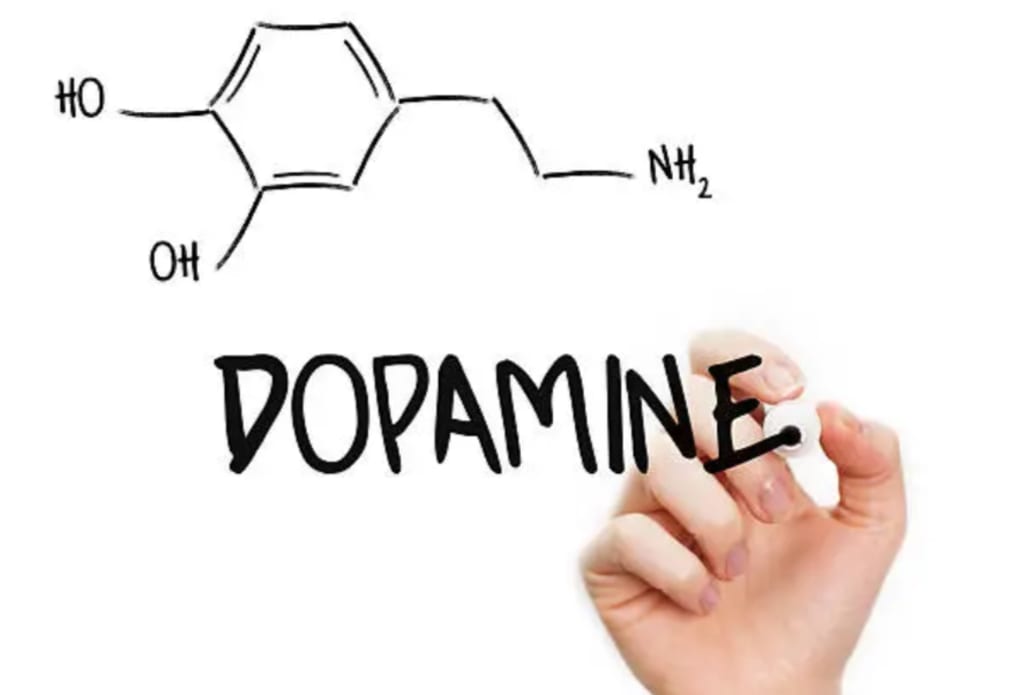
This powerful cycle begins with a simple but deep principle: the pull of the unpredictable reward. It is like Gambling. You play, but you don't know if you'll win. It's the uncertainty that keeps you coming back, not the guaranteed output. Social media works on the same logic. When you post a photo or update a story or status, your brain enters to a state of expectation. The arrival of a "like" or a comment triggers a release of dopamine, a chemical in the brain's reward system. This chemical creates a temporary feeling of pleasure and tells your brain, "That was good, do it again." The genius-and the danger-of this design is that this reward is irregular. You don't know when the next one will come or how many you will receive, which makes you compulsively check your phone, chasing that next hit of validation. It is this unpredictable irregular reward that turns a simple act of communication into a compulsive behavior.
Once we are stuck in the dopamine loop, other psychological forces come into play. Continuous scrolling shows us an infinite stream of other people's carefully chosen "highlight reels." We see friends enjoying vacations, celebrating promotions, or simply looking impossible happy. This triggers a powerful emotional response known as FOMO, or the Fear of Missing Out. We feel anxiety that we are being left behind, that everyone else's life is more exciting than our own. At the same time, social media attacks our fundamental human need for social validation. Our sense of self-worth becomes tied to the numbers: the life, the followers, the comments. When our posts receive positive feedback, we feel a boost to our self-esteem. When they don't, we feel like a direct social rejection. These two forces the fear of missing out and the need for validation-work together, creating a continuous emotional pressure to stay online and keep checking.
The combination of these psychological triggers creates a vicious cycle that has a significant (which is mostly indirect) effect on our mental well-being. We feel lonely or bored, so we turn to social media for getting dopamine and connection. However, the act of scrolling makes us see a world of artificially created perfection, which consequently leads to "compare and despair." We unconsciously compare our own messy, unfiltered reality to the flawless, filtered lives we see on our screens. This can lead to feelings of disappointment, dissatisfaction, and low self-esteem. In this feedback loop, our attempts to feel better often leave us feeling worse.
Furthermore, this continuous use of social media weakens our real-world relationships. As our attention is pulled towards our phones, our ability to engage in meaningful, present-moment conversations with the people right in front of us decreases. We may be physically present, but mentally we are elsewhere, stuck in the endless scroll. With the passage of time, this digital distraction can weaken our face-to-face bonds and unexpectedly lead to isolation, even while our online social circles expand. The promise of connection is replaced by a feeling of detachment; as genuine human relationship is sacrificed for digital engagement.
Ultimately, the purpose of understanding this psychology is not to harshly criticize social media entirely, but to recognize its power and take back control. The first step toward a healthier relationship with these platforms is to become aware of its mechanisms. We must learn to recognize the difference between a conscious choice to connect and an unconscious reflex controlled by a pre-planned reward system. By understanding the dopamine loop, the fear of missing out, and the need for social validation, we can begin to use social media more mindfully and intentionally, rather than allowing it to use us. The power to put down the phone, to be present in the moment, and to protect our mental well-being lies in the recognition that the "ding" is not an urgent call, but simply the sound of a clever machine trying to get our attention.
About the Creator
Enjoyed the story? Support the Creator.
Subscribe for free to receive all their stories in your feed.
Comments
There are no comments for this story
Be the first to respond and start the conversation.