
Walking for a big brain
Stopping age related decline

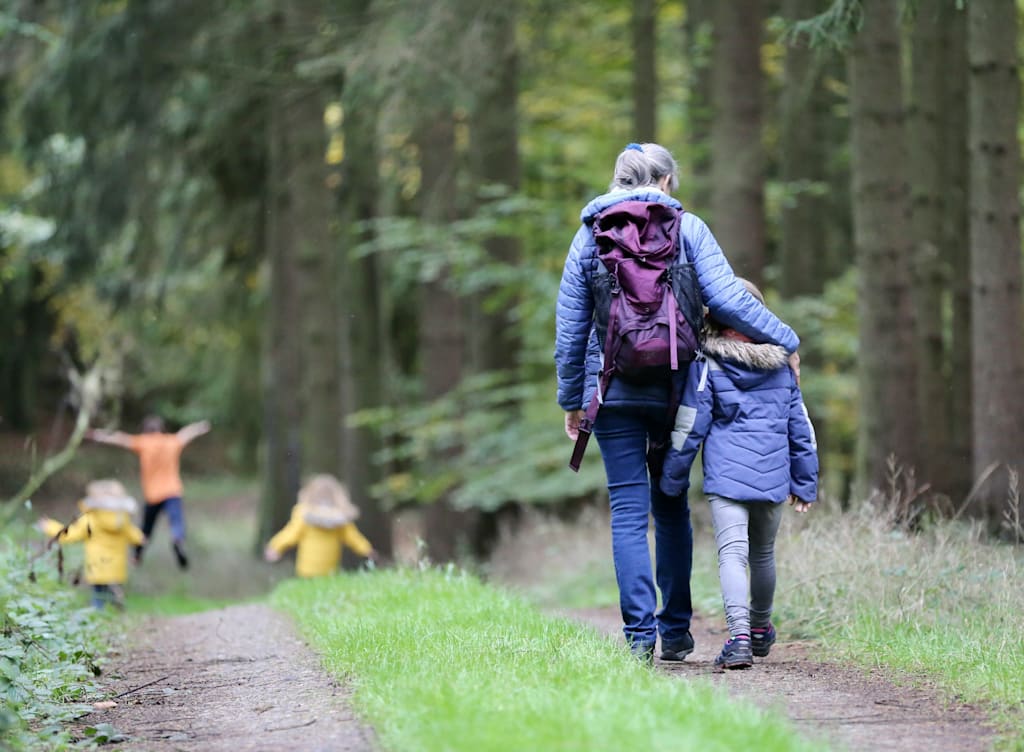
Walking is one of my favourite things to do especially in woodland – they’re buzzing with life and one of the most sensual and atmospheric places you can experience. Walking in itself has become quite the controversial subject in the world of fitness, some say it’s great for health and you can lose weight while others say no you can’t and it’s no good for overall fitness. So, who’s right?
Everyone on social media now wants to jump onto the latest trend and that is part of the problem – as a teacher of Tai Chi, we’ve seen the current trend of ‘Tai Chi Walking’ but that’s for another post! Walking became huge a little while back with people attaching all sorts of health benefits and regimes. For some people walking is the limit of what they can do, and for others, walking is like taking on a marathon. So, the short answer to the health question is that walking is movement, and movement is better than no movement.
Can you lose weight with it as some proclaim? Maybe, it does depend on the length, speed, terrain, steps and how it compares with your general lifestyle habits. There are SO many other aspects to a good walk that we tend to forget about and one of these is for certain – that a good walk in nature can make your brain bigger!
We’ve known for a long time that there is a connection between physical activity and the functions of the brain; for instance, we’ve always known that walking and being outside are in some cases, almost as good, or as good as anti-depressants for mild depression and seasonal affective disorder. Is this because of the walking itself? The fresh air? The surroundings? Just being away from the humdrum of life? Maybe it simply calms the mind. Whichever of these reasons it is, it works and that’s what counts. Walking, especially in nature is proven to have positive effects on mental health.
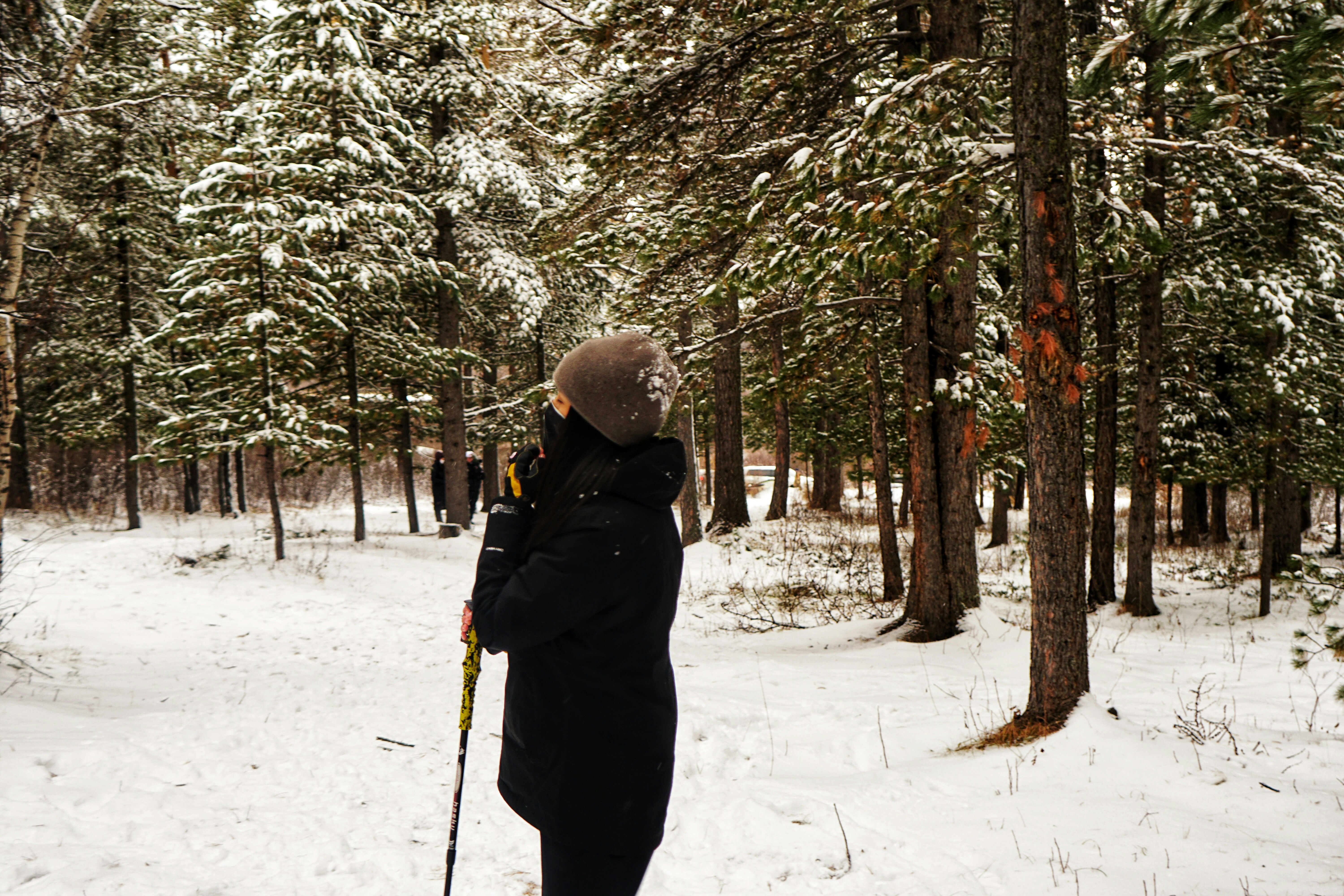
It’s a safe, effective and accessible exercise. A National Trust survey recently published in the Guardian, stated that half of UK adults spend less than three hours a week outside in nature (Carrington, 2026) and there are some interesting statistics in this article, although it doesn’t agree with Government figures which state a rather higher uptake of nature usage at around two thirds of adults. Either way, we probably all could do with spending more time outside and there are many reasons for this.
Researchers at the New Mexico Highlands University found that during experiments that initially involved running, the action of the foot hitting the ground produces pressure waves through the arteries which in turn increases cerebral blood flow (CBF). Although the impact through walking is significantly lower than with running, the force is still enough to create the pressure wave needed to increase CBF.
They also found that the amount was higher in walking than in cycling. From this we can conclude that even a gentle pace of walking is healthy for the brain – the brisker the walk, the better the benefits. As we raise the heart rate this pumps more blood to the brain as well as around the body and to the muscles.
The result of all the increased blood flow is more oxygen, more nutrients and a more efficient system of removing damaged cells. Cognitive function is improved both in the short term and with the potential of long-term improvement also, helping to guard against diseases such as stroke and Alzheimer’s.
Here’s where it gets really interesting – neuroinflammation… What’s that I hear you ask?
Neuroinflammation is happening to all of us as we age and is part of the natural aging process. Neuroinflammation is connected to the brain’s immune cells and the release of cell proteins. Things become more problematic though for some people as this natural process can also develop diseases like Alzheimer’s, Parkinson’s, Multiple Sclerosis among others. These conditions can also have other influences such as lifestyle and environment, so protection of the brain through walking might not necessarily completely zero your risk, but for many of us it will certainly make a difference.
However, walking can prevent the process of neuroinflammation or at least, prevent it from advancing quite so quickly. Not only does walking prevent the brain from aging so fast, but it also does the same to the skin due to the increased blood circulation and promotion of skin metabolism.

The brain is ‘divided’ into areas and one of these important areas is the hippocampus, located between the ears and temples which is used for memory formation and learning. Walking, especially moderate to high intensity can improve learning ability and studies have shown that regular walkers tend to have better memory recall.
Researchers at Stanford University say that creativity, problem solving ability and attention all improved, with creativeness being sixty percent higher in walkers than those who lead a more sedentary lifestyle, and those who tried to think or be creative while sitting.
They also concluded that this was a result of the walking itself and could be conducted indoors or outdoors. It also seems that creativity increases not only during the act of walking but also for a short time afterwards. If you’ve always thought, you have your best ideas while walking – you’re probably right!
The PNAS, or Proceedings of the National Academy of the Sciences is a scientific journal that is published by the National Academy of the Sciences. There is a research paper that was published in 2011 that found that older adults that walked for forty minutes three times a week for a year had increased that hippocampal volume by two percent. This may not seem much at all but keep in mind that this means that there was a total reversal in normal brain aging and related shrinkage. It GREW! Not shrank!
There have been other studies in walking and the relationship between age and intensity. One 2021 paper showed that walking six to nine thousand steps each day equated to larger brain volume and a lower risk of dementia. Another study (yes, there are lots of them) showed that people who used walking as an exercise after surviving a stroke, were considerably more likely to live longer than those who didn’t.

Walking helps you feel good. Our fast-paced world leaves many of us in a constant state of stress, or even full fight or flight mode. This is a dangerous place for our body to be in long term, and the more of my material you read the more you’ll understand the difference between healthy fight or flight, and unhealthy chronic stress. In fight or flight your body makes changes and triggers the sympathetic nervous system. A huge subject, I shall write about this separately, but the long and the short is that when the body is constantly in the sympathetic nervous system, blood flow is redirected away from the digestive system and of course other hormones come into play such as adrenaline and cortisol.
Walking reduces the production of cortisol and promotes the release of endorphins which help us feel calmer and generally happier, which allows the body to move back into the parasympathetic nervous system, or rest and digest. The brain’s ability to switch from one task to another or to adapt to a new scenario is greatly improved because of cognitive flexibility. The increase of blood flow stimulates the release of biomolecules which are often in the form of small proteins or peptides which are classed together as neurotrophic factors. These brain derived neurotrophic factors or BDNF, can help the structure and function of the brain, especially in older adulthood. Again, this relates back to the function and size of the hippocampus which can grow or decline at a much slower rate through regular walking activity.
BDNF can also stimulate the growth of new neurons which are fundamental to the brain and the nervous system. The growth of these new cells within the brain is known as neurogenesis which is where memories are made and is what allows us to think and move from one task to another. Aren’t we simply amazing?

If you’re not already walking even a little bit each day, I hope that the brain and wellness benefits, both now and for the future have encouraged you to want to walk more. But what is the ideal routine for brain health? Remember that any activity that raises heart rate and body temperature also helps us to sleep better. Sleep helps cellular repair and brain health too, with a lack of sleep being heavily associated with brain cell decay at a faster rate than normal; so fixing sleep in addition to walking gives you a double whammy.
The general recommendation is one hundred and fifty minutes of moderate intensity activity every week, or you could aim for seven or more thousand steps per day, ensuring that at least some of that time is spent brisk walking. A brisk walk rate is more efficient when completed for twenty minutes or more at a time. A brisk rate will make you a little out of breath, but you should still be able to hold a conversation and feel comfortable.
You can still obtain many of the same benefits by walking indoors or on a treadmill, although I would argue that being outside in nature holds extra benefits from vitamin D exposure to fresh air (depending on where you live) and beautiful things to see all around you. Walking outside adds an element of calmness to your life while also allowing an escape from the house or the office.
It will take half an hour to an hour of your phone scrolling time which you could exchange for a lovely walk. There are many, many marked routes and probably more in your local area than you are aware of. There’s lots around me and I’m still finding new ones, and I still haven’t explored several of them. I like to find routes that loop rather than walking to somewhere and back again the same route – I like something different to look at or explore all the way through the walk.
For a larger brain, a more efficient brain, a calmer and more positive outlook, lowered risk of Dementia and other brain diseases in addition to a healthier body in general, a more efficient cardiovascular system, reduced age-related decline and so many other things, I’d say that the time walking is time well spent. It’s also kinder on joints than some other higher impact exercises, and you never know what you might see – so if you can, do. ***

If you enjoyed this article, please consider subscribing :) Thank you for reading
About the Creator
Rachel Brown
I'm a wellnes writer, researcher and tai chi teacher. Life is too short not to be amazed by how awesome this world actually is.
I'm rejoining now, the end of June '26 subscribe for more
Enjoyed the story? Support the Creator.
Subscribe for free to receive all their stories in your feed.
Comments
There are no comments for this story
Be the first to respond and start the conversation.