
The One‑Shot Fight Ender: How a Simple Self‑Defense Mindset Can Save Your Life in 2026
A realistic, human-centered look at the fast, decisive self-defense principle reshaping personal safety habits in 2026.
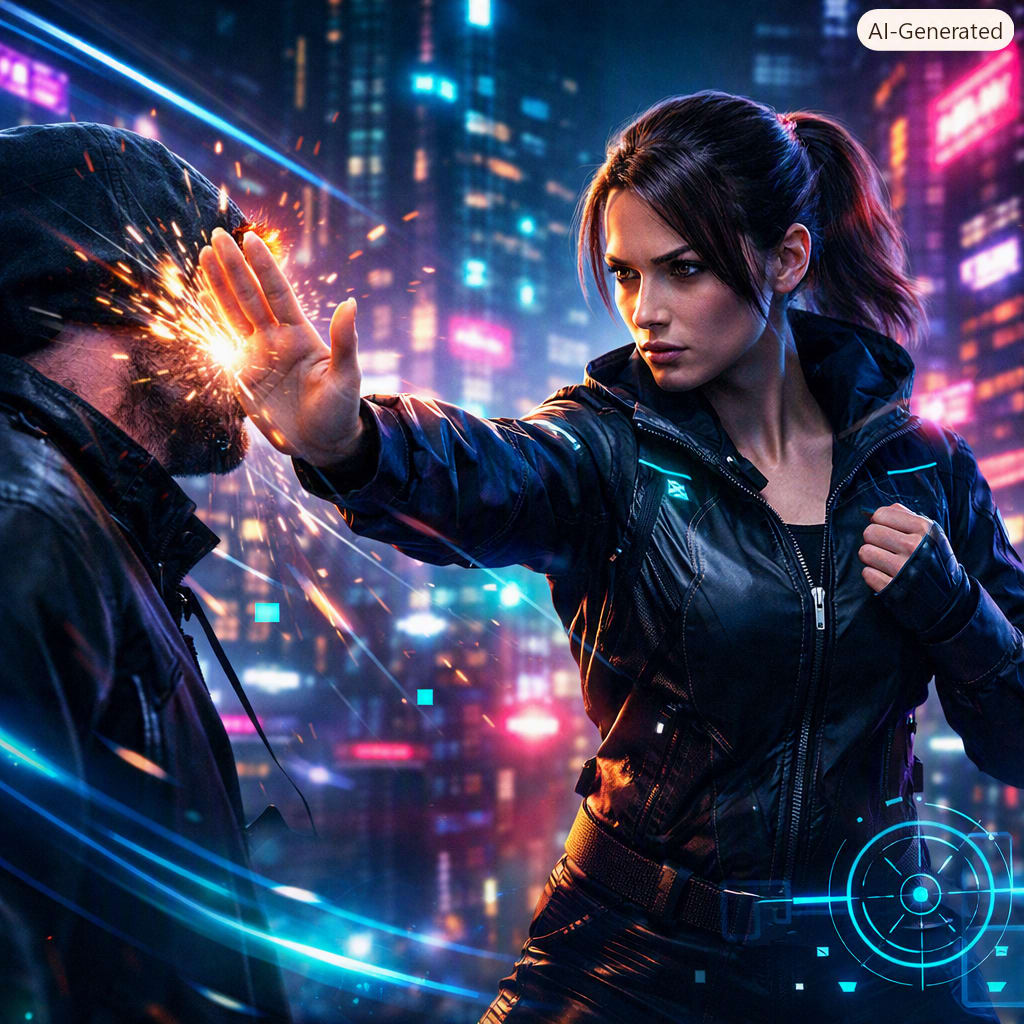
In a world where unpredictability is the new normal, self-defense isn’t about fear — it’s about readiness.
In 2026, personal safety has quietly become one of the most discussed topics online. Not because people suddenly became paranoid, but because the world has changed in subtle ways: economic tension, unpredictable social behavior, and the rise of viral videos showing real-life confrontations. More people than ever are asking the same question: “If something happened to me or my family, would I actually know what to do?”
This question is the reason the concept of the One‑Shot Fight Ender is gaining attention. It’s not a martial art, not a sport, not a complicated system. It’s a mindset — a simple, practical approach to self-defense that focuses on ending a violent encounter in seconds, not surviving a long fight.
And the truth is simple:
Most people don’t need to become fighters.
They just need one effective action that works under stress.
A Story That Happens Every Day — But No One Talks About
It was 7:42 PM on a quiet Tuesday.
Daniel, a 38‑year‑old father of two, walked out of a convenience store with a bag of groceries. He wasn’t thinking about danger. He was thinking about dinner, work emails, and whether he had remembered to buy milk.
Then he saw the man.
Standing near his car.
Hands in pockets.
Eyes locked on him.
Daniel felt something — not fear, but a shift. A subtle alarm bell ringing somewhere deep in the brain. The man stepped forward.
“Hey, man, you got a minute?”
Daniel didn’t. But he froze anyway.
The man moved closer. Too close. His tone changed. His shoulders tightened. His hand came out of his pocket — not with a weapon, but with the unmistakable posture of someone ready to grab, shove, or strike.
This moment — the first three seconds — is where most people lose.
Not because they’re weak.
Not because they’re untrained.
But because they’re surprised.
Daniel wasn’t a fighter. He wasn’t athletic. But he had learned one thing from a short self-defense workshop months earlier:
“If someone is about to hurt you, you don’t negotiate. You act. One decisive action beats ten perfect techniques.”
So he acted.
A single step forward.
A palm strike under the jaw.
The attacker’s head snapped back.
His balance disappeared.
The confrontation ended before it began.
Daniel didn’t win a fight.
He ended a threat.
That is the One‑Shot Fight Ender.
Why This Concept Matters in 2026
The world is not more dangerous — it’s more unpredictable.
People are stressed.
People are impulsive.
People escalate faster.
And most confrontations today are not long fights. They are:
sudden grabs
surprise punches
aggressive intimidation
close‑range confrontations
emotional outbursts
In these situations, traditional martial arts often fail because they rely on:
long sequences
perfect timing
physical conditioning
repeated training
controlled environments
Real violence is not controlled.
Real violence is not fair.
Real violence is not cinematic.
The One‑Shot Fight Ender is built for real people, not athletes.
It focuses on:
simple movements
high-percentage targets
natural reactions
fast execution
psychological dominance
It’s not about fighting.
It’s about ending the moment.
The Psychology Behind Ending a Fight Quickly
Most attackers are not trained fighters.
They rely on:
surprise
intimidation
emotional aggression
proximity
When you respond with decisive action, you break their mental script.
Attackers expect fear.
They expect hesitation.
They expect compliance.
They do not expect:
a sudden strike
a burst of movement
a loud command
a shift in dominance
This psychological shock is often more powerful than the physical strike itself.
A One‑Shot Fight Ender is not just a technique — it’s a pattern interrupt.
It disrupts the attacker’s plan.
It creates a window to escape.
It prevents escalation.
This is why it works for people of all ages, sizes, and backgrounds.
The Core Principle: One Target, One Action, One Exit
The One‑Shot Fight Ender is built on three pillars:
1. One Target
You don’t aim for the body.
You aim for:
the jaw
the throat
the nose
the groin
the knee
These are high-value targets that create immediate dysfunction.
2. One Action
Not a combination.
Not a sequence.
Not a technique list.
Just one action:
palm strike
knee strike
elbow
throat push
eye disruption
groin kick
Simple. Fast. Natural.
3. One Exit
You don’t stay.
You don’t fight.
You don’t negotiate.
You leave.
This is what makes the method ethical, legal, and realistic.
Why Storytelling Helps People Understand Self-Defense
Most people don’t connect with technical explanations.
But they connect with stories.
Stories show:
how fast danger appears
how normal people react
how simple actions work
how fear transforms into action
Storytelling makes self-defense human.
It makes it relatable.
It makes it memorable.
This is why modern self-defense instructors use narrative training — because your brain remembers stories better than instructions.
The Hidden Truth: You Don’t Need Strength — You Need Intent
Strength helps.
Speed helps.
Training helps.
But intent is the real weapon.
When you decide to act, your body follows.
The One‑Shot Fight Ender teaches people to shift from:
“I hope nothing happens”
to
“If something happens, I know what to do.”
This mental shift is the real transformation.
The 2026 Preparedness Trend: People Want Simple, Not Complex
In 2026, people are tired of:
complicated systems
long training programs
unrealistic techniques
martial arts politics
They want:
fast learning
practical skills
real-world examples
confidence
simplicity
This is why the One‑Shot Fight Ender is becoming a viral concept.
It’s not a martial art.
It’s not a sport.
It’s not a lifestyle.
It’s a habit.
A simple, powerful habit that can save your life.
A Second Story — Because Real Life Is Unpredictable
Maria was 29.
She worked in retail.
She wasn’t athletic.
She wasn’t confident.
One night, she walked to her car after closing the store. A man approached her, asking for directions. She felt uncomfortable — but she didn’t want to be rude.
Then he grabbed her wrist.
Maria didn’t think.
She reacted.
A sharp knee to the groin.
A shove to the chest.
A scream.
The man collapsed.
Maria ran.
She didn’t “fight.”
She ended the moment.
Different faces, same instinct — the human drive to survive.
The Ethical Side: Ending a Fight Is Not About Violence
Self-defense is not about hurting people.
It’s about protecting yourself.
The One‑Shot Fight Ender is ethical because:
it uses minimal force
it stops the threat quickly
it avoids prolonged violence
it prioritizes escape
it reduces injury for both sides
It’s the opposite of aggression.
It’s controlled, focused, and defensive.
Why This Matters for Families
Parents want their children safe.
Women want to feel secure.
Men want to protect their families.
Teenagers want confidence.
Seniors want independence.
A simple self-defense habit helps everyone.
It’s universal.
It’s accessible.
It’s empowering.
Conclusion: The Fight You Avoid Is the Fight You Win
The One‑Shot Fight Ender is not about fighting.
It’s about ending danger quickly.
In a world where unpredictability is rising, this mindset gives people:
confidence
clarity
control
peace of mind
You don’t need to be a fighter.
You just need one action that works.
Would you know what to do if danger appeared in front of you?
If this article helped you see self-defense differently, share it — someone you know might need it someday.
About the Creator
abidi
I write about practical preparedness and everyday safety with a human, down‑to‑earth voice. More of my work here: https://linktr.ee/hnajet32
Enjoyed the story? Support the Creator.
Subscribe for free to receive all their stories in your feed.
Comments
There are no comments for this story
Be the first to respond and start the conversation.