
The Evolution of Wellness: Trends Defining 2026
A closer look at the shift toward more personalized, sustainable, and human-centered health

The Evolution of Wellness: Trends Defining 2026
Wellness used to feel like a one size fits all experience, but that’s shifting. As the industry evolves, it’s becoming more personal, more data informed, and more emotionally aware. What’s interesting is how quickly the focus is moving away from quick fixes and toward something deeper, something that actually supports long term health and quality of life, a shift reflected in recent wellness trends across the industry. This shift is not happening slowly either. It is becoming visible across everything from luxury retreats to everyday wellness routines, showing just how widespread this transformation really is.
Personalization and the Rise of Longevity Focused Care
One of the biggest changes right now is the move toward personalization. Wellness is no longer about following a generalized plan. It is about understanding each body on an individual level. From diagnostics and biometrics to lifestyle-based insights, there is a growing emphasis on creating experiences that are tailored rather than standardized. What makes this approach stand out is how specific it can become, allowing people to feel like their health strategies are actually built around them rather than adapted from something generic.
At the same time, longevity is becoming a central part of the conversation. Instead of focusing only on short term results, more programs are designed with long term wellbeing in mind. The goal is not just to feel better for a moment, but to build a sustainable foundation for health over time. It reflects a broader shift toward being proactive instead of reactive when it comes to taking care of the body. This kind of thinking encourages consistency and long term commitment, rather than relying on quick resets or temporary solutions.
Emotional and Cognitive Wellbeing Take Priority
Another shift that really stands out is the increased focus on emotional and cognitive health. With burnout and mental fatigue becoming more common, wellness is expanding beyond the physical. There is a growing understanding that mental clarity, emotional balance, and nervous system regulation are just as important as any other aspect of your physical wellbeing. This shift is also helping redefine what it means to actually feel healthy, moving beyond appearance and into how people experience their day-to-day lives.
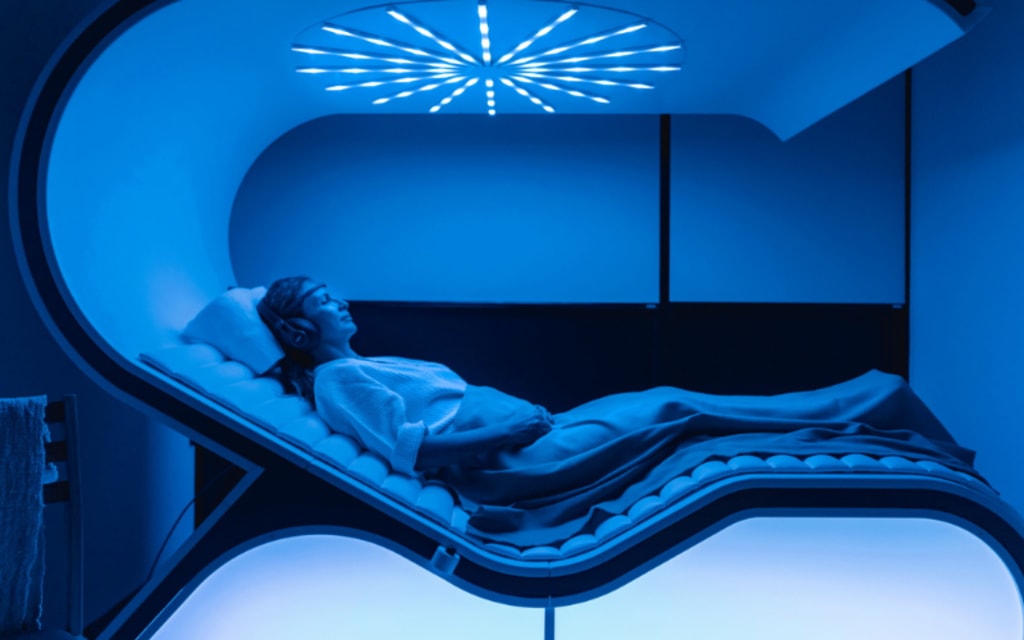
What’s especially interesting is how technology is being integrated into this space. Tools rooted in neuroscience and real time data are starting to shape more adaptive wellness experiences. These experiences respond to how a person is feeling, not just physically but mentally. It creates a more dynamic approach to care where the mind and body are treated as deeply connected rather than separate. In many ways, this is changing the expectations people have for wellness, making it more responsive and intuitive.
Wellness as a Social and Cultural Experience
Wellness is also becoming more collective. What used to feel like a solo pursuit is evolving into something more social. Shared experiences, whether it’s group rituals, community-based practices, or family-oriented wellness, are creating a stronger sense of connection within this space. This sense of connection adds another layer to wellness, making it feel more engaging and less isolating.
At the same time, there is a noticeable return to nature. Instead of overly curated environments, there is a shift toward something more raw and unfiltered. Being immersed in natural surroundings, without too much interference, is becoming part of the appeal. It is less about perfection and more about presence. This return to simplicity is part of what makes these experiences feel more grounding and meaningful.
Accessibility and the Rise of Everyday Wellness
Another important shift is accessibility. Wellness is no longer reserved for occasional retreats or big resets. It is starting to show up in everyday life. Short, targeted experiences are making it easier to incorporate wellness into a regular routine, rather than treating it as something separate from daily living. This makes wellness feel more realistic and sustainable for a wider range of people.
There is also innovation happening behind the scenes. New technologies and streamlined systems are making treatments more efficient and easier to track overtime. Even areas like skincare are being reframed, connecting external results with internal health and long-term wellbeing. This kind of integration helps people see wellness as something that works across multiple areas of life, rather than existing in isolated categories.
As these changes continue to unfold, wellness in 2026 feels more thoughtful, more individualized, and more connected to real life. It is less about chasing a quick result and more about building something sustainable, something that supports both how we feel and how we function over time.
About the Creator
Destination Deluxe
A trusted voice in luxury wellness hotels, retreats, and the evolving future of well-being.
Enjoyed the story? Support the Creator.
Subscribe for free to receive all their stories in your feed.
Comments
There are no comments for this story
Be the first to respond and start the conversation.