
Forget Living Forever: New Model Suggests a Surprising Upper Limit on Human Life
Scientists Just Put a Number on How Long Humans Can Really Live

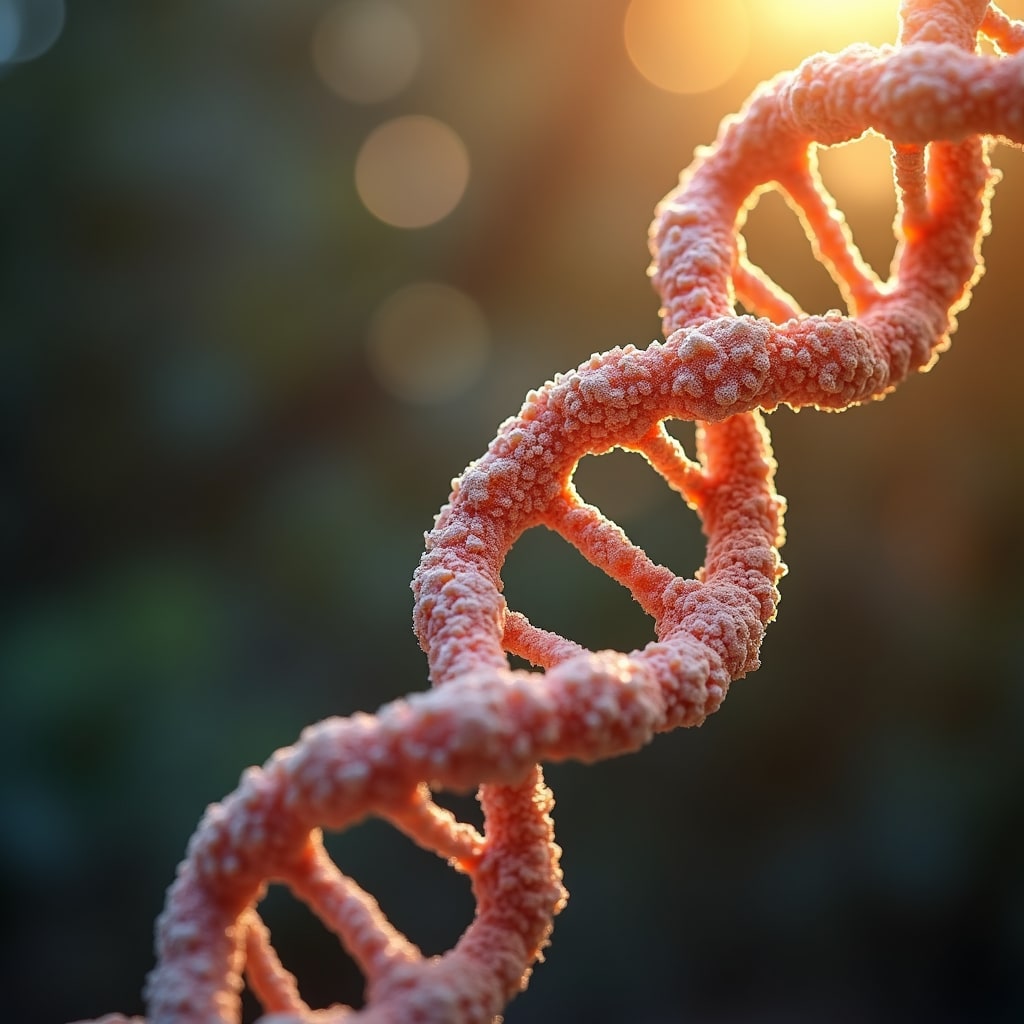
Humans may never live forever, but new research suggests that even in a best‑case scenario, our bodies might top out somewhere around 150 to 190 years—and that says a lot about what longevity actually is, and isn’t.
The uncomfortable cap on living forever
We love the fantasy that with the right pill, diet, or tech, we might one day “solve” aging.
Yet a new modeling study from the Skolkovo Institute throws cold water on that dream: even if we wiped out every known age-related disease and invented “perfect” anti-aging medicine, random DNA mutations in our cells would still quietly build up until our bodies fail.
In other words, there’s a hard ceiling—not because nature is cruel, but because biology is messy.
The simulations suggest that in this idealized world, most people would live a median of roughly 146 to 194 years, with a few outliers making it further, but no one reaching true immortality.
That’s about double current life expectancy in wealthy countries, but still finite, and that finiteness matters; it forces us to confront whether we’re chasing more years at any cost, or better years with realistic limits.
Why DNA mistakes matter more than hype
The idea is deceptively simple: every time a cell divides, it risks small mistakes in its DNA.
Our repair systems fix a lot of them, but not all—and over a lifetime, those somatic mutations pile up.
Scientists have long suspected they play a role in aging and diseases like cancer, but this model isolates what would happen if those mutations were the only thing left limiting us.
Interestingly, the results suggest that mutations alone aren’t strong enough to fully explain why we currently die in our 70s or 80s.
If they set a potential median lifespan around 150-plus years and we’re falling far short of that, it means other factors—metabolic changes, immune decline, environmental damage, social determinants—are cutting us down much earlier.
That’s a powerful reminder: while tech circles chase moonshot longevity ideas, a huge chunk of our “lost” years may still be coming from everyday, fixable realities.
The weakest links: brain and heart
Not all tissues age equally, and the model makes that brutally clear.
Some organs, like skin and liver, constantly renew themselves; even as individual cells pick up mutations, they’re often replaced, allowing those tissues to function surprisingly long.
Others, like the heart and especially the brain, are populated with long‑lived cells that rarely or never get swapped out.
Those neurons and cardiac cells just sit with their growing load of mutations year after year, quietly accumulating damage until they can no longer do their job.
It’s these “irreplaceable” cells that appear to impose the strictest limit on lifespan in the model, acting like the weakest link in an otherwise repairable system.
That should shift our imagination about longevity away from vague “anti-aging” and toward targeted protection of specific organs and cell types that actually decide how far we can go.
Aging is not one villain you can kill
For decades, scientists have argued over whether DNA mutations are the main driver of aging, forming the basis of what’s known as the somatic mutation theory of aging.
This study doesn’t settle that debate, but it nudges us toward a more nuanced view: mutations matter, but they’re only one thread in a much larger tangle.
If anything, the takeaway is that aging is overdetermined—many different factors can independently shorten our lives.
That’s frustrating if you’re hunting for a single silver bullet, yet oddly freeing if you’re a regular person who just wants a good life.
It suggests we don’t need to wait for a miracle; improving even a few known drivers—cardiovascular risk, metabolic health, brain resilience, social connection—can meaningfully shift how we age, even if we never get close to 150.
My take: chasing ceilings vs. improving floors
The fantasy of infinite life has always distracted us from the humbler work of improving the quality of the years most of us actually have.
This model’s “hard cap” doesn’t depress me; it grounds the conversation.
If the body is wired with inherent limits, then maybe the more human question isn’t “How do I live to 180?” but “How do I make 80, 90, or 100 feel worth living?”
The researchers themselves describe their model as a careful thought experiment, a first step toward breaking aging into measurable components so we can see which levers matter most.
That’s the part worth amplifying: instead of obsessing over immortality, we can use this kind of work to prioritize what actually gives us more healthy years—better heart health, more resilient brains, less cancer—and accept that finiteness doesn’t make life smaller; it makes it urgent.
About the Creator
Eina Liban
Finding beauty in everyday life and learning how to live it to the fullest. Writing on health, tech, and human wellness.
Enjoyed the story? Support the Creator.
Subscribe for free to receive all their stories in your feed.
Comments
There are no comments for this story
Be the first to respond and start the conversation.